Key takeaways
- The best glue bottles and applicators for woodworking compared: no-drip squeeze bottles, roller bottles, silicone rollers, brushes and micro tip sets.
What's inside
As an Amazon Associate I earn from qualifying purchases. This post may contain affiliate links at no extra cost to you.
- Top Pick: FastCap GluBot Glue Bottle, 16 oz
- Runner-up: Big Horn 19044 Glue Roller Bottle, 8 oz
- Also consider: WoodRiver Silicone Glue Roller
The best glue bottle for most woodworking is a two-chamber, bottom-fed squeeze bottle like the FastCap GluBot, because it lays a controlled bead, works upright on vertical edges, and pulls glue back into the bottle instead of dripping when the squeeze stops. Panel glue-ups call for a different tool: a roller bottle or a silicone roller spreads a thin, even film across wide boards far faster than any spout. This roundup compares five applicators — a no-drip squeeze bottle, a roller bottle, a silicone roller, a silicone brush, and a micro brush set — by capacity, tip style, cleanup, and the glue types each one can handle, so the right applicator is on the bench before the clamps come out.
As an Amazon Associate, we earn from qualifying purchases.
Contents
Table of Contents
- Quick Picks
-
- FastCap GluBot Glue Bottle, 16 oz
-
- Big Horn 19044 Glue Roller Bottle, 8 oz
-
- WoodRiver Silicone Glue Roller
-
- Titebond TiteBrush Applicator
-
- Sili Micro Glue Brush Applicator Set with Glue Pod
- How to Choose a Glue Bottle or Applicator
- FAQ
- Conclusion
- Product and ASIN Reference
Quick Picks
- Best no-drip squeeze bottle: FastCap GluBot Glue Bottle, 16 oz
- Best roller bottle: Big Horn 19044 Glue Roller Bottle, 8 oz
- Best for wide panels: WoodRiver Silicone Glue Roller
- Best silicone brush: Titebond TiteBrush Applicator
- Best for detail work: Sili Micro Glue Brush Applicator Set with Glue Pod
1. FastCap GluBot Glue Bottle, 16 oz
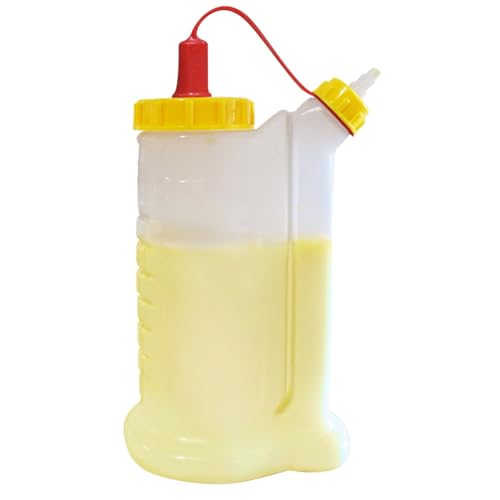
The GluBot replaces the standard glue bottle spout with a two-chamber body that feeds adhesive from the bottom of the bottle up through a side chamber. Because glue is always sitting at the tip, a light squeeze starts the bead immediately, and the bottle dispenses in both horizontal and vertical positions without being flipped upside down. When the squeeze is released, draw-back in the nozzle pulls the bead back inside, which is the mechanism behind the no-drip design.
Two replaceable tips cover most joinery work. The narrow Yorker tip lays a thin, controlled bead for mortises, dowel holes, and biscuit slots, while the wide Blade tip spreads a broader ribbon along board edges. The 16-ounce size also includes the GluBot Guide, a fence that rides along the edge of a board to keep the bead centered during long edge-glue runs. A tethered cap seals the tip between sessions so the glue in the chamber does not skin over.
The wide screw-off top makes refilling from a bulk jug straightforward, and the polyethylene body tolerates standard wood glues and most shop liquids. FastCap excludes liquids that are corrosive to polyethylene and contents hotter than 176 degrees F, so it is not a container for aggressive solvents. The bottle ships empty, sits in the mid-range tier, and suits any shop that does regular furniture glue-ups and wants one bottle that handles both bead work and edge work.
Specs
- Capacity: 16 fl oz
- Body material: polyethylene
- Design: two-chamber, bottom-fed dispensing
- Included tips: Yorker tip for narrow beads, Blade tip for wide beads
- Extras: GluBot Guide for edge gluing, tethered cap
- Glue included: no, the bottle ships empty
- Limits: not for liquids corrosive to polyethylene or contents above 176 degrees F
2. Big Horn 19044 Glue Roller Bottle, 8 oz

The Big Horn 19044 combines a refillable 8-ounce squeeze bottle with a roller head, so glue is fed and spread in a single motion. Squeezing the bottle pushes adhesive up to the 2.5-inch roller, which lays it down as an even film rather than a raised bead. That film is what panel and edge glue-ups actually need, because a uniform layer wets both surfaces without the heavy spots that cause extra squeeze-out.
The roller is non-porous polypropylene, so dried wood glue does not soak into it; residue rinses off under water or peels away once cured. An attached plug seals the feed opening between uses and slows the glue inside from drying out, which addresses the most common failure of bottle-fed rollers — a clogged spout discovered at the start of the next glue-up.
Because the glue has to travel through a feed spout, this design is built for thin, pourable adhesives such as standard white and yellow PVA wood glue. Thick, gap-filling adhesives do not feed reliably through a bottle mechanism and belong in an open tray instead. As a budget-tier tool, the 19044 is a practical step up from spreading glue with a fingertip or a scrap of wood, especially for drawer boxes, face frames, and repeated edge-gluing sessions where reloading a tray slows the work down.
Specs
- Capacity: 8 fl oz, refillable
- Roller width: 2.5 inches
- Roller material: non-porous polypropylene
- Feed: squeeze-to-feed roller head
- Extras: attached plug to slow drying between uses
- Glue types: thin, pourable wood glues such as white and yellow PVA
- Glue included: no
3. WoodRiver Silicone Glue Roller

The WoodRiver roller takes the opposite approach to a bottle-fed applicator: there is no reservoir and no spout. The grooved silicone roller is dipped into an open puddle or tray of glue and rolled across the work, and the grooves carry a measured amount of adhesive so the film stays consistent from one end of a panel to the other. That makes it the natural pick for wide work — tabletop laminations, butcher-block tops, and bench slabs — where a 2.5-inch bottle roller would need pass after pass.
Silicone is the material story here. Wood glue does not bond to it, so cleanup is a rinse while the glue is wet or a simple peel once it has cured and turned rubbery. The knurled steel handle gives a secure grip with glue on the bench, and the roller head is sized for edges and panels rather than tight joinery.
With no feed mechanism to clog, the roller works with any adhesive that can be poured or puddled, including thicker glues that a bottle-fed roller cannot pass. The tradeoff is workflow: glue lives in an open tray during the session, so it skins over faster than glue sealed in a bottle, and a tray has to be part of the setup. In the mid-range tier, this is the applicator to choose when panel coverage matters more than bead precision.
Specs
- Roller material: silicone, grooved surface
- Handle: knurled steel
- Design: dip-and-roll, used with an open glue tray or puddle
- Cleanup: rinse wet, or peel cured glue off the silicone
- Glue types: any pourable adhesive, including thicker glues
- Glue included: no
4. Titebond TiteBrush Applicator

The TiteBrush comes from Franklin International, the maker of Titebond wood glues, and it is built around one idea: a glue brush that never wears out or sheds. The bristles are 100 percent silicone, so unlike disposable acid brushes and chip brushes, nothing drops bristles into a glue line, and there is no ferrule to loosen over time.
Silicone bristles hold a useful amount of glue and spread it evenly along edges and into corners, then release it cleanly. Cleanup follows the usual silicone pattern — rinse the brush while the glue is wet, or let the glue dry and peel it out of the bristles in one piece before the next session. The plastic handle keeps the tool light and easy to maneuver around small assemblies.
A brush cannot match a roller for panel coverage or a precision tip for dowel holes, and the TiteBrush does not try to. Its role is the everyday spreading work in the middle: edge joints, frame assemblies, and repair glue-ups where glue needs to be worked across a surface and into corners. It sits in the budget tier, costs little bench space, and pairs well with any of the bottles in this roundup as the spreading half of the system.
Specs
- Model: 16330
- Bristles: 100 percent silicone
- Handle: plastic
- Manufacturer: Franklin International
- Cleanup: rinse wet, or peel dried glue from the bristles
- Glue included: no
5. Sili Micro Glue Brush Applicator Set with Glue Pod

Small joinery defeats standard applicators: a bottle tip is too wide for a dowel hole, and a brush floods a biscuit slot. The Sili Micro set is built for that scale of work. It includes three micro brushes — a fine point tip for small round openings such as dowel holes, a chiseled tip for tight corners and small joinery, and a flat tapered tip for general small-surface spreading.
Each brush is dual-profile. One end carries a flexible silicone rubber tip that applies and spreads the adhesive; the opposite end is a rigid profile shaped for scraping and removing excess glue from the joint. That second end matters on visible work, where squeeze-out has to come off before it dries and blocks stain.
The set also includes a glue pod with a sealable lid. Small amounts of glue can be decanted into the pod for detail sessions, and the lid keeps the glue from skinning over between parts — the detail-work equivalent of a capped bottle. Sold by Peachtree Woodworking Supply, the set sits in the budget tier and earns its place in a drawer next to the dowel and biscuit supplies rather than on the glue-up bench.
Specs
- Brushes: 3 micro brushes — fine point tip, chiseled tip, flat tapered tip
- Tip material: silicone rubber
- Handles: dual profile, applicator tip on one end and rigid scraper on the other
- Included: glue pod with sealable lid
- Part number: 11581
- Glue included: no
How to Choose a Glue Bottle or Applicator
Match the applicator to glue viscosity first. Bottle-fed designs — squeeze bottles and roller bottles — move glue through a spout or feed channel, so they only handle thin, pourable adhesives such as standard PVA wood glue and liquid hide glue. Open tools — rollers, brushes, and spreaders used with a tray — have no channel to clog and accept thicker adhesives, including polyurethane glue.
Pick capacity for the work session. A 16-ounce bottle covers a full day of furniture glue-ups without a refill, while smaller bottles and glue pods suit detail work where control matters more than volume. Decanting a working amount from a bulk jug also keeps the main supply sealed and fresh for longer.
Choose the tip for the joint. Narrow Yorker-style tips and fine point brushes put a bead into mortises, dowel holes, and biscuit slots. Blade tips and rollers lay the even film that panel and edge joints need. Brushes handle corners and irregular shapes that neither a tip nor a roller can follow.
Plan for cleanup and storage. Silicone tools clean by rinsing or peeling and never shed bristles, which makes them the low-maintenance option. Whatever the applicator, a cap, plug, or sealed lid is what keeps the glue at the tip from skinning over and clogging the tool between sessions.
FAQ
Can a glue roller bottle handle polyurethane or epoxy glue?
No. Bottle-fed rollers move glue through a narrow feed spout, and thick or gap-filling adhesives such as polyurethane and epoxy do not pass through that mechanism reliably. Those glues belong in an open tray, spread with a dip roller, a silicone brush, or a spreader.
How do you keep a glue bottle tip from clogging?
Cap the tip as soon as the glue-up is done, and store the bottle with the tip sealed so air cannot reach the glue inside the nozzle. Bottles with tethered caps, attached plugs, or draw-back nozzles reduce clogging because less glue is left sitting exposed at the opening.
What size glue bottle is best for furniture work?
A refillable bottle in the 8 to 16 ounce range covers most furniture sessions without a mid-glue-up refill. Smaller bottles and glue pods are better reserved for detail work, where a heavy bottle is harder to control over small joints.
How do you clean dried glue out of an applicator?
With silicone rollers and brushes, let the glue cure fully and then flex the tool — the dried film peels off in one piece. Polyethylene bottles and polypropylene rollers can be rinsed under warm water while glue is still wet, and dried residue can be picked out of tips with a pin or a scrap of wire.
Conclusion
For most shops, the FastCap GluBot covers the widest range of work in a single bottle: controlled beads from the Yorker tip, wide ribbons from the Blade tip, and no drips in between. Add the Big Horn roller bottle or the WoodRiver silicone roller when panel glue-ups become regular work, keep a TiteBrush for everyday spreading, and reach for the Sili Micro set when the joints get small. Matched to the right glue and the right joint, any of these five applicators beats the factory spout on a glue jug.
Related guides
More from Amazon
Programs that pair well with the guide above. Offers and eligibility are set by Amazon and may change.
A free business account with business pricing and bulk-buying tools for work, shop or home office.
Create a business accountFree shipping on eligible items, Prime Video and more. Eligible new members can start with a free trial.
Start a Prime free trialAudiobooks and podcasts to listen to on the go. Eligible new members can start with a free trial.
Try Audible freeAd-free music streaming. Eligible new subscribers can start with a free trial.
Try Music Unlimited freeAs an Amazon Associate we earn from qualifying purchases.