What's inside
- The Short Answer
- Table of Contents
- Types of Porch Swings
- Materials Compared
- Check Your Structure First
- How to Choose the Right Swing
- Features That Matter
- Sizing and Clearances
- Hanging and Hardware
- Mounting Options Compared
- Weather Care
- Safety
- Common Mistakes
- Who Should Choose What
- Checklist
- Frequently Asked Questions
- Conclusion
As an Amazon Associate I earn from qualifying purchases. This post may contain affiliate links at no extra cost to you.
Contents
- The Short Answer
- Table of Contents
- Types of Porch Swings
- Materials Compared
- Check Your Structure First
- How to Choose the Right Swing
- Features That Matter
- Sizing and Clearances
- Hanging and Hardware
- Mounting Options Compared
- Weather Care
- Safety
- Common Mistakes
- Who Should Choose What
- Checklist
- Frequently Asked Questions
- Conclusion
Our Top Picks


The Short Answer
The best porch swing is one that fits your porch’s structure as much as your taste. Before you look at styles, find out what your ceiling or beam can actually carry, because a swing is only as safe as the framing it hangs from. For a covered porch with a solid beam, a classic wooden bench swing is hard to beat. If the structure is questionable or you have a bare patio, a freestanding frame is the safer path. If you want a lounging feel rather than an upright bench, a daybed-style swing is worth considering, but it needs more room and stronger support. Whichever you choose, buy hardware rated well above the load you expect, and mount it into solid wood framing, never into drywall or trim alone.
Table of Contents
- Types of Porch Swings
- Materials Compared
- Check Your Structure First
- How to Choose
- Features That Matter
- Sizing and Clearances
- Hanging and Hardware
- Mounting Options Compared
- Weather Care
- Safety
- Common Mistakes
- Who Should Choose What
- Checklist
- FAQ
- Conclusion
Types of Porch Swings
Classic bench swings
The traditional design has a slatted seat, a contoured or straight back and two arms, suspended by chains or rope at each corner. It seats two or three adults and suits a covered porch with a sturdy overhead beam. Its upright posture is good for conversation, reading and watching the street.
Swing beds and daybed swings
These are wider and deeper, built for reclining with a mattress cushion. They are comfortable but heavy, and the combined weight of the frame, cushion and occupants is much higher than that of a bench. They need more clearance and stronger support points, and they often hang from four points rather than two.
Hanging pod and egg-style seats
These suspend from a single point and swivel or sway in several directions. They suit a single occupant and a small footprint, but single-point mounting concentrates the load and demands particular care in the choice of anchor.
Freestanding swings with a frame
A porch swing stand, usually an A-frame in wood or metal, holds the swing without touching your house. It works on patios, lawns and porches where the ceiling cannot be trusted. The frame takes up floor space and must be stable on its footprint.
Materials Compared
The table summarizes general tendencies. Individual products vary widely, so use it as a starting point rather than a verdict.
| Material | Character | Upkeep | Strengths | Limits |
|---|---|---|---|---|
| Cedar, cypress and similar softwoods | Light, warm, traditional | Moderate; sealing or paint | Natural rot resistance, easy to repair | Softer, can dent and crack |
| Teak and dense hardwoods | Heavy, refined | Low to moderate | Long outdoor life | Weight and cost |
| Pressure-treated pine | Utilitarian | Moderate | Widely available | Can warp and split as it dries |
| Poly lumber | Uniform, painted look | Very low | No rot or repainting | Heavy; some colors fade |
| Steel or aluminum frame | Modern, slim | Low; touch up coating | Strong, thin members | Rust at chips; hot in sun |
| Woven rope, rattan or wicker-style | Soft, casual | Moderate | Comfortable, light | Needs a covered spot; fibers can fray or fade |
For the suspension, chain generally outlasts rope and is easier to inspect for wear, though rope is quieter and gentler on hands. Whatever you choose, treat the hanging components as the critical safety parts of the system, not as accessories.
Check Your Structure First
This step surprises many buyers, but it is the most important. A swing does not just hang. It moves, and every swing sends a pulsing, pulling load into its mounting points. That dynamic load is greater than the static weight of the people sitting on it, particularly when a child pushes off hard or an adult sits down quickly.
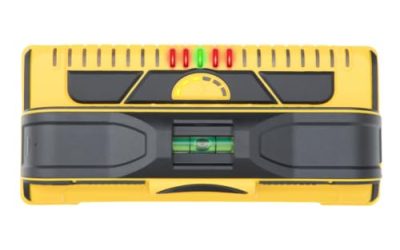
Look at what is above your swing location. Ideally you will find exposed beams or ceiling joists, solid lumber you can reach and see. Decorative ceiling boards, beadboard, drywall, thin trim, and the horizontal blocking of a small porch roof are not structural supports for a swing. Nor is a lightweight pergola made of thin posts. If you cannot see and identify solid framing, find out before you buy. A stud finder can locate joists, and a small inspection opening or an attic view can confirm their size and condition. Look for signs of rot, insect damage or cracks, since old porch framing is often wet at its outer edge.
If the porch was built to modest standards, or you are not sure the framing can handle the loads, have a qualified carpenter or structural professional look at it. Adding blocking between joists or a dedicated header beam is routine work for a professional. It is much less expensive than repairing a collapsed porch ceiling or an injured guest.
How to Choose the Right Swing
- Start with the structure. If your porch offers sound overhead framing, a hanging swing is possible. If not, choose a freestanding frame or a glider.
- Count the sitters. A two-seat swing is cozy; a three-seat swing works for families. Add up the realistic maximum weight, including children and cushions, and choose a swing and hardware rated well above it.
- Think about comfort. A gently angled back and a seat depth that supports your thighs matter more than decoration. Add cushions if the seat is hard.
- Match the material to the exposure. A covered, dry porch can host rattan or untreated wood. An open or damp site needs rot-resistant wood, poly lumber or well-coated metal.
- Plan for maintenance. Wood needs periodic sealing, and metal needs coating touch-ups. Poly lumber needs little more than washing.
Features That Matter
Rated hardware. Look for swing hangers, eye bolts, chains and quick links that state a working load limit. Unrated decorative hardware or ordinary hooks from a hardware aisle are not appropriate for a swing. Any weak link, including a thin S-hook, limits the whole assembly.
Back contour and arm height. A supportive back and arms at a comfortable height make the swing something you will use. Arms also help people stay seated and brace themselves when getting up.
Seat slats and drainage. Spaced slats shed water. Seats with solid panels hold rain and mildew sooner.
Adjustable chain length. This lets you fine-tune seat height and angle once the swing is hung. A swing that tilts forward slides people off.
Sizing and Clearances
A porch swing needs room to move. Leave generous clear space in front and behind the seat so that a swing at full travel does not hit walls, railings, planters or furniture. Side clearance matters as well, since an off-center push can swing the seat sideways. Check the manufacturer’s stated clearance recommendations and treat them as a minimum.
Seat height is another factor. When the swing is hanging unloaded, most people are comfortable when their feet can touch the floor with knees only slightly bent. Smaller users or children may need a lower seat, taller users a higher one. Remember that chains stretch slightly and cushions compress under load, so check the height after the swing has been in use for a while.
The spacing of the overhead mounting points should match the width of the swing, and the swing manufacturer will usually say what that spacing should be. Matching it avoids angled chains, which pull sideways on the hardware. Also keep the swing out of any doorway path.
Hanging and Hardware
Hanging a porch swing is simple in principle and unforgiving in practice. If you are not comfortable working at height, drilling through structural members or judging the soundness of old lumber, hire a professional. The notes below describe general good practice, and they do not replace the instructions that come with your swing or the advice of a qualified builder.
- Find solid framing. Locate beams or joists and confirm they are sound. Mark the points that match the swing’s hanging width.
- Use through-bolts or heavy-duty swing hangers designed for the purpose. Hardware that passes through the member and is secured with a washer and nut on the far side resists pulling out far better than screws or lag screws driven into the underside of a board. Where through-bolting is not possible, follow the hardware maker’s instructions precisely.
- Choose rated components. Eye bolts, chain, quick links and hangers should each carry a stated working load limit comfortably above the maximum combined load, with a generous allowance for the extra force of motion. Mixing a strong chain with a weak connector defeats the purpose.
- Keep hardware matched and corrosion-resistant. Galvanized or stainless components last better outdoors. Do not combine dissimilar metals in ways that accelerate corrosion unless the hardware is designed that way.
- Hang the swing and adjust the chain lengths evenly. Level the seat from front to back and side to side, then check that all chains share the load.
- Test gradually. Begin with a light load, then check the hardware, the framing and the swing’s movement. Add weight in steps while watching for creaks, flexing or loosening.
Freestanding frames have their own rules. Assemble them on a flat, firm surface, tighten all bolts, and anchor the frame if the instructions call for it. A swing frame on soft ground can shift, and a tall frame with a heavy swing can tip if it is placed on a slope.
Mounting Options Compared
| Option | Where it works | Advantages | Cautions |
|---|---|---|---|
| Hung from an exposed beam | Covered porches with solid timbers | Strong, simple, classic look | Verify beam size, condition and span; use through-hardware |
| Hung from ceiling joists with blocking | Standard porch ceilings | No frame taking floor space | Joists may need reinforcement; hang across several members as advised |
| Hung from a pergola or timber frame | Sturdy, purpose-built structures | Open-air placement | Thin or decorative members are not suitable |
| Freestanding A-frame stand | Patios, lawns, weak ceilings | No house modification | Needs a level base, floor space and sometimes anchoring |
| Glider or base-mounted seat | Anywhere | No overhead mounting | Different motion; rocking base needs flat ground |
If you are comparing models, you can browse porch swings and note which listings state their weight rating and include or exclude hanging hardware. Many listings sell the swing separately from the mounting kit, so check what is in the box.
Weather Care
Wood: Clean with mild soap and water, let it dry, then apply an exterior-grade finish as directed. Refresh the finish before bare wood begins to gray unevenly, and pay special attention to end grain, seat slats and the places around bolts where water collects.
Metal: Check for chips and touch up the coating. Wipe away salt residue in coastal areas.
Rope and woven styles: Keep them under cover when possible. Let them dry after rain, and replace rope that looks frayed or stiff.
Chains and connectors: Look closely for rust, stretched links and worn contact points. Replace any component that shows significant wear or deformation rather than hoping it holds.
Cushions: Choose outdoor-rated fabric, bring them in during storms and store them dry in cold months.
Safety
- Overhead load: Never hang a swing from a point you have not confirmed is structural. A failing mount can drop the swing and damage the structure above it.
- Weight limits: Respect the swing’s rated capacity and the capacity of every part of the hanging system. The limit is the lowest rating among all the components, including the framing.
- Dynamic loads: Pushing hard, standing on the seat or jumping on the swing creates forces well beyond sitting weight. Do not allow it.
- Pinch points: Chains, hinges on folding arms and the gap between the seat and the back can pinch fingers. Teach children to keep hands on the arms or armrests.
- Children: Supervise young children. Small children can slip through gaps or fall from a swing that is higher than they expect. Do not allow standing or kneeling on the seat.
- Clear zone: Keep the swing’s range of motion free of furniture, planters, steps and walkways.
- Inspection: Check chains, links and mounts regularly, and remove the swing from use if you find damage.
Common Mistakes
- Screwing hooks into the ceiling surface rather than into verified framing.
- Using hardware with no stated load rating.
- Mismatching the hanging points to the swing width, causing angled chains.
- Ignoring the weight of a daybed with cushions and several people.
- Skipping seasonal inspection of chains and bolts.
Who Should Choose What
Homes with a solid covered porch: a classic wooden bench swing, hung from verified beams with rated hardware.
Homes with an uncertain ceiling or an open patio: a freestanding frame or a glider, so you do not need to rely on the house structure.
Families with children: a stable, mid-sized bench swing with arms, hung low, with supervision and clear rules.
Anyone who loves to lounge: a swing bed, but only after confirming that the structure can handle its larger load.
Wet or coastal sites: poly lumber, dense hardwood or coated metal, plus corrosion-resistant hardware.
Renters: a freestanding stand or glider, which avoids drilling into the landlord’s structure.
Checklist
- Identify and inspect the framing above the planned swing location.
- Call a professional if the framing is unclear, old or damaged.
- Choose a swing rated well above the heaviest expected group.
- Confirm each hanger, bolt, chain and connector has a stated working load limit.
- Match the hanging point spacing to the swing width.
- Measure clearances in front, behind and beside the swing.
- Level the seat and check that every chain carries equal load.
- Load the swing gradually and listen for signs of strain.
- Set a seasonal inspection reminder.
- Keep children from standing, jumping or pushing hard.
For hardware, you can compare heavy-duty swing hangers and chains that list their load ratings, and if a hanging swing is not feasible, look at freestanding porch swing stands. Outdoor swing cushions are a comfortable finishing touch.
Frequently Asked Questions
Can I hang a porch swing from any porch ceiling?
No. The ceiling surface itself is rarely strong enough. The swing must hang from solid structural framing such as beams or joists that you have identified and inspected. If you are unsure, consult a qualified professional.
How much weight can a porch swing hold?
It depends on the swing, the hardware and the framing. Look for the manufacturer’s stated capacity, and remember that the real limit is the weakest part of the system. Motion adds force beyond the sitting weight, so leave a generous margin.
What is better, chain or rope?
Chain is durable, easy to inspect and adjustable. Rope is softer and quieter but wears and fades faster and can hide internal damage. Either needs regular inspection and replacement when worn.
How high should a porch swing hang?
A common aim is a seat height at which most sitters can rest their feet on the floor with relaxed knees. Adjust after hanging, accounting for cushions and chain stretch, and keep it comfortable for the shortest regular user.
Do I need a stand if my porch is small?
Not necessarily, but a freestanding frame can solve a structural problem. If the ceiling is unsuitable or the porch is uncovered, a stand avoids the need to mount anything to the house.
Can children use a porch swing?
Yes, with supervision. Choose a swing with arms, keep it low enough for safe dismounting, and do not allow standing, jumping or hard pushing. Check for pinch points around chains and hinges.
Should I hire someone to install it?
If you are unsure about finding framing, drilling structural members or working at height, hire a professional. The cost is small compared with the risk of a failed mount.
Conclusion
The best porch swing is the one that hangs safely, fits the space and suits the people who will use it. Begin with the structure, choose rated hardware, leave generous clearance, and inspect everything on a regular schedule. If the house cannot support a hanging swing, a freestanding frame or a glider delivers much of the same pleasure without the structural questions. Take the time to get the mounting right, and a porch swing will be a favorite spot for many seasons.
As an Amazon Associate, we earn from qualifying purchases. If you click a link and buy, we may receive a small commission at no extra cost to you.
Related guides
More from Amazon
Programs that pair well with the guide above. Offers and eligibility are set by Amazon and may change.
A free business account with business pricing and bulk-buying tools for work, shop or home office.
Create a business accountFree shipping on eligible items, Prime Video and more. Eligible new members can start with a free trial.
Start a Prime free trialAudiobooks and podcasts to listen to on the go. Eligible new members can start with a free trial.
Try Audible freeAd-free music streaming. Eligible new subscribers can start with a free trial.
Try Music Unlimited freeAs an Amazon Associate we earn from qualifying purchases.