What's inside
As an Amazon Associate I earn from qualifying purchases. This post may contain affiliate links at no extra cost to you.
Contents
Best Headphones With a Microphone: The Right Pick for Calls, Gaming, and Everyday Listening
The best headphones with a microphone for most people are a comfortable wireless over-ear model with a clear boom or well-managed voice pickup, but wired headsets are the better choice when low latency, dependable connection, or lower cost matters more than freedom to move.
Quick picks by situation
- Frequent work calls: Choose a wireless office headset with a boom mic and a USB receiver. Its dedicated microphone and receiver are usually more dependable in a busy workspace than Bluetooth alone.
- Gaming: Choose a wired USB or 3.5 mm gaming headset if you want low latency and no battery management. A wireless gaming headset makes sense when you need to move around.
- Commuting and everyday listening: Look for Bluetooth headphones with comfortable earcups, useful noise cancellation, and a microphone system that suppresses steady background noise. Check call quality separately from music quality.
- Tight budget: A wired headset avoids battery wear and often offers a detachable or adjustable boom mic at a lower cost.
Head-to-head: what different headset types do best
“Noise handling” has two meanings worth separating. Active noise cancellation (ANC) reduces sounds reaching your ears; microphone noise suppression tries to keep sounds around you out of a call. A headset can be good at one and only average at the other.
As an Amazon Associate we earn from qualifying purchases at no extra cost to you.
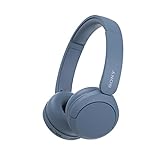


| Type and examples | Connection | Published battery life | Weight | Best fit |
|---|---|---|---|---|
| Jabra Evolve2 65 Flex | Bluetooth; USB adapter included | Up to 32 hours, depending on use | About 136 g | Work calls, portability, and a boom mic |
| Sony WH-1000XM5 | Bluetooth; wired listening supported | Up to 30 hours with ANC on; up to 40 with ANC off | About 250 g | Travel and everyday listening with call capability |
| SteelSeries Arctis Nova 7 | 2.4 GHz USB-C wireless; Bluetooth | Up to 38 hours | About 325 g | Gaming, with a retractable boom mic and dual wireless options |
| HyperX Cloud III | USB or 3.5 mm wired, depending on device and setup | No battery required | About 308 g | Gaming and long sessions without charging |
Figures are manufacturer-published specifications; battery life varies with volume, wireless mode, ANC, and other settings. Bundled cables and adapters can differ by version and region, so confirm device compatibility before buying.
Which one should you choose?
For clear work calls in a shared room
A boom microphone positioned close to your mouth is usually the safest choice for consistent speech pickup. The Jabra Evolve2 65 Flex is a compact office headset option with a boom mic and USB adapter. The adapter can help when a computer’s built-in Bluetooth is unreliable or when you want a dedicated connection. Still, no microphone can erase every nearby conversation; for noisy rooms, combine a boom mic with the call app’s noise suppression and move away from the source when possible.
For travel, calls, and music in one pair
The Sony WH-1000XM5 is an over-ear Bluetooth headphone designed for listening and noise cancellation, with microphones for calls rather than a prominent boom. It is a more natural fit if travel comfort and music matter as much as meetings. Voice pickup on boomless headphones depends heavily on the microphone array, fit, and surroundings, so it is worth checking call samples for your intended environment before choosing this style.
For gaming and switching between devices
The SteelSeries Arctis Nova 7 combines a retractable boom mic with 2.4 GHz wireless for gaming and Bluetooth for compatible devices. That flexibility is useful if you want game audio on a computer or console while keeping a phone connected. Check the specific console, computer, and connection modes: wireless compatibility is not identical across every platform, and Bluetooth can add noticeable latency for gameplay.
For low-maintenance, latency-sensitive use
The wired HyperX Cloud III does not need charging, and its detachable boom mic is easier to replace or store separately than a permanently exposed mic. A wired connection also avoids wireless pairing and battery aging. The trade-off is cable management, and a 3.5 mm plug may need an adapter or may not be available on your device.
What matters more than the headline specs
- Microphone clarity: A boom mic generally gives your voice a more consistent position relative to the microphone. If you prefer boomless headphones, look for actual call recordings in quiet and noisy conditions, not just claims about “AI” or noise reduction.
- Comfort: Weight is only one factor. Clamping force, headband pressure, earcup depth, heat, glasses, and the shape of the ear cushions all affect long-session comfort. If possible, buy from a seller with a clear return policy and try them for a full meeting-length session.
- Connection: Bluetooth suits phones and casual use. A USB receiver or 2.4 GHz link is often preferable for computer calls or gaming. Wired USB and 3.5 mm connections avoid charging, but check whether your device supports the connector and microphone input you need.
- Battery life: Treat “up to” figures as best-case estimates, not guarantees. ANC, high volume, frequent calls, and wireless mode can reduce runtime. For all-day use, leave a charging margin rather than relying on the maximum claim.
- Noise handling: ANC is valuable on planes and in steady low-frequency noise, but it does not guarantee a clean outgoing voice. A close boom mic and good call-side suppression are more relevant when the people on the other end need to hear you clearly.
A practical ownership check
Headphones usually wear first at the ear cushions, headband padding, cable, or battery. Cushions collect skin oils and dust; detachable cushions are simpler to replace than glued or proprietary assemblies. After use, wipe them with a soft, slightly damp cloth and let them dry fully. Avoid soaking cushions or spraying cleaner into microphone openings.
For wireless models, repeated deep discharges and storage in hot places can shorten battery life. Charge before a long call or trip, and check whether the headset can be used over USB or with an audio cable if the battery runs down. For wired models, unplug by gripping the connector rather than pulling the cable, and avoid tight bends where it meets the plug.
Bottom line
Pick a boom-mic office headset for frequent calls, a gaming headset with the right wireless or wired connection for play, and a comfortable ANC model for travel and general listening. If you can only prioritize one thing, match the microphone style and connection to your noisiest, most frequent use—not to the longest battery-life number on the box.