What's inside
As an Amazon Associate I earn from qualifying purchases. This post may contain affiliate links at no extra cost to you.
Short answer: the best garden trellis is the one matched to your plant’s climbing habit, mature weight and height, and anchored firmly enough to survive wind and a full season of growth. For most gardeners, a sturdy wooden or metal panel with openings sized to the plant, set a few inches off a wall for airflow or firmly sunk into the ground, is a reliable choice. Vines that twine need thin vertical supports; plants with tendrils need fine mesh or wire; heavy fruiting crops need strong frames. Decide what you will grow first, then choose the structure.
Contents
Our Top Picks
 Adorox 7.3FT Garden Arch Trellis for Climbing PlantsStandard21 x 2 x 9 inches3.95 poundsCheck on Amazon
In this guide
- Why a trellis matters
- Types of garden trellises
- Match the trellis to the plant
- Materials
- Size, spacing and weight
- Installation and anchoring
- Design and placement
- Care and safety
- Common mistakes
- Who should choose what
- Buying checklist
- FAQ
- Conclusion
Why a trellis matters
A trellis lifts plants off the ground and gives them a structure to climb. That does several useful things at once. It saves space, since a few square feet of soil can support many feet of vertical growth. It improves air circulation, which helps leaves dry and reduces some fungal problems. It makes harvesting easier, keeps fruit cleaner and can help you spot pests earlier. In ornamental gardens a trellis adds height, hides unattractive walls and creates privacy or a focal point.
It also changes the load on your garden. A bare frame in winter seems solid, but a mature vine in summer carries leaves, fruit and water, and catches wind like a sail. Choosing a trellis is therefore partly about aesthetics and partly about engineering: strength, stability, and how it connects to the ground or wall.
Types of garden trellises
Wall-mounted panel trellises
Flat panels of wood lattice or wire grid fixed to a wall or fence. They are good for flowering vines and espaliered fruit. Mount them on spacers so there is a gap between plant and wall, which allows airflow and prevents stems from being squeezed. Fixing into masonry or siding requires suitable anchors and attention to waterproofing.
Freestanding panel trellises
Panels on legs or stakes that you push or sink into the ground. They are flexible in placement, and they can divide a garden or screen a view. Because they rely on ground anchoring, they need stakes that are long enough and soil that holds them. Wind is their enemy.
A-frame trellises
Two panels hinged or joined at the top to make a triangular shape. They are stable without deep anchoring and are excellent for beans, cucumbers and small squash. Plants can be harvested from both sides and shade-loving crops can grow beneath.
Obelisks and tuteurs
Pyramid or tower shapes that suit pots and borders. They provide a focal point and work well for sweet peas, clematis and annual vines. Their small footprint limits weight capacity.
Arch and arbor trellises
Curved or square-topped structures that form a gateway. They carry vigorous climbers such as roses, wisteria or grapes, and they must be anchored strongly because the plant becomes heavy.
Fan trellises
Spreading ribs that open from a narrow base, often for use in containers or against walls. They are good for small vines and decorative displays.
Netting, cattle panels and wire grids
Flexible netting strung between posts, or rigid welded wire panels bent into an arch or tied to stakes, are economical and strong enough for tomatoes, peas, cucumbers and beans. They are functional rather than ornamental.
Raised-bed and container trellises
Brackets, clip-on frames and tall inserts for planters allow a vertical element in small spaces. Check load ratings and that the container is heavy enough not to tip.
Comparison of trellis types
| Type | Best for | Strengths | Limits |
|---|---|---|---|
| Wall-mounted panel | Flowering vines, espalier | Space saving, neat look | Needs good wall fixings and spacers |
| Freestanding panel | Screens, dividing beds | Flexible placement | Wind and anchoring concerns |
| A-frame | Beans, cucumbers, small squash | Stable, easy harvest, shade below | Takes ground space |
| Obelisk or tuteur | Pots, borders, sweet peas | Decorative, compact | Small plants only |
| Arch or arbor | Roses, grapes, entrances | Dramatic and strong when anchored | Heavy; needs solid footing |
| Netting or wire panel | Peas, tomatoes, cucumbers | Economical and adaptable | Less attractive; netting wears |
Match the trellis to the plant
Plants climb in different ways, and the best trellis suits the method.
Twiners
Pole beans, morning glories, honeysuckle and wisteria wrap their stems around a support. They need vertical elements thin enough to wrap, often roughly the width of a pencil to a thumb, and not too wide. Smooth, thick posts are hard for them to grip.
Tendril climbers
Peas, grapes, sweet peas, clematis and cucumbers reach out with small tendrils or leaf stalks that grab thin objects. They want fine mesh, string, or thin wire, with openings that suit the tendril size. Large openings leave them dangling.
Scramblers and leaners
Roses, jasmine and blackberries do not cling by themselves. They need to be tied to the support, so choose a structure with plenty of tie points and wire runs.
Clinging climbers
English ivy and climbing hydrangea attach with aerial roots or pads. They can damage mortar, paint and siding, and are often better grown on a freestanding structure than a house wall.
Heavy fruiting crops
Tomatoes, squash, melons and grapes carry significant weight. Choose strong frames, thicker posts, and slings or supports for heavy fruit. Do not assume a decorative lightweight panel can carry a full crop.
Plant-to-trellis guide
| Plant group | Climbing habit | Good trellis features |
|---|---|---|
| Pole beans, morning glory | Twining | Thin vertical lines or poles, A-frame or netting |
| Peas, sweet peas | Tendrils | Fine mesh or string grid |
| Cucumbers, small squash | Tendrils with weight | Strong A-frame or panel with wire grid |
| Tomatoes (indeterminate) | Tied, tall and heavy | Tall sturdy posts with tying points |
| Roses, jasmine | Scrambling | Wires or lattice for tying |
| Grapes, wisteria | Twining and heavy | Robust arbor or pergola-grade frame |
Materials
Cedar, redwood and other rot-resistant wood
Natural decay resistance makes these woods popular for trellises that sit in soil or stay damp. They weather to gray if left unfinished, they are easy to work, and they pair well with most gardens. The parts closest to the soil are the first to go, so consider setting posts in gravel or on metal standoffs rather than burying bare wood.
Pressure-treated lumber
Treated posts are tough in the ground. If the trellis will support edible plants, many gardeners place treated wood where roots and fruit do not touch it, or choose untreated rot-resistant species instead. Follow any guidance on the product label.
Bamboo and branches
Inexpensive, lightweight and attractive in informal settings. Bamboo poles tied into tripods or A-frames suit annual vegetables for a season or two, and they usually need replacing sooner than other materials.
Metal
Steel, wrought iron and aluminum trellises can be slim yet strong. Powder-coated or galvanized steel resists rust for longer, while bare iron will rust and may stain surfaces. Metal gets hot in strong sun, which can scorch tender young stems, so choose thicker structures or lighter colors in hot climates.
Vinyl and plastic
Low-maintenance and weatherproof but usually less rigid, so they suit lighter climbers. Sun can make some plastics brittle over time.
Wire, string and netting
Great for seasonal vegetables and for leaving a minimal visual footprint. Choose UV-resistant products for outdoor use, and be ready to remove and discard netting at season’s end so it does not tangle wildlife or end up in the soil.
Material comparison
| Material | Strength | Lifespan feel | Notes |
|---|---|---|---|
| Cedar or redwood | Moderate to good | Good, with care | Handsome; protect the ground contact points |
| Treated softwood | Good | Good in ground | Consider placement near edibles |
| Bamboo | Light to moderate | Short to medium | Cheap and renewable; replace periodically |
| Steel or iron | High | Long if coated | Can rust or heat in sun |
| Aluminum | Moderate | Long | Light but can bend |
| Vinyl or plastic | Low to moderate | Varies | Best for light vines |
| Netting and string | Light | One or two seasons | Needs strong end posts |
Size, spacing and weight
Height
Know the mature height of your plant. Some sweet peas and small clematis reach about six feet or less, while pole beans, cucumbers and many roses can climb higher, and wisteria and grapes will cover anything you give them. A trellis that is too short results in plants flopping over the top and tangling. If you are planting a vigorous climber, choose a structure at least as tall as its expected height, or plan to prune.
Width and spacing of openings
Openings should suit the climbing method. Tendril climbers prefer smaller gaps, roughly a few inches. Large heavy fruit such as squash may need openings big enough to pass fruit through or support from below with slings. For tying, you need a grid or horizontal rails at regular intervals.
Distance from the wall
Leave a gap of a few inches between a wall and a trellis panel so air moves and stems can pass behind. A tight fit invites mildew and makes tying difficult.
Weight
Estimate the load generously. A mature vine in leaf holds water and catches wind, which can pull a lightweight panel out of the soil or off a wall. When in doubt, use a stronger structure, closer fixings or additional posts.
Footprint
Leave room for plants to reach the base, for you to walk around it, and for foliage to spread. A-frames need ground space on both sides. Freestanding screens need room to be viewed from a distance to look their best.
Installation and anchoring
Many trellis failures happen in the first strong wind of summer, because the structure is loaded just as the plant reaches full size. Anchoring is therefore the most important installation step.
- Freestanding panels: drive or sink legs deep, ideally a third or more of the structure’s length into firm soil, or set posts in a hole backfilled with compacted gravel or soil. In loose soil, add stakes or guy lines.
- Wall-mounted panels: use fixings suited to the wall, whether masonry, wood or siding. Use spacer blocks to hold the panel off the surface. Avoid penetrating a waterproofing layer without sealing it.
- Raised beds: fasten the trellis to the structure of the bed and to ground stakes where possible, since soil alone can be unstable.
- Containers: choose a heavy pot, place the trellis deep into the soil, and consider tying it to a wall or fence.
- Large arches and arbors: set them on firm footings, because mature climbers become very heavy.
Before digging holes or driving long stakes, have underground utilities located through your local call-before-you-dig service. If the trellis is tall, attached to a house or is part of a fence, check local rules and any homeowners association requirements. Some places regulate fence and structure height and setbacks from property lines.
Plant at the right distance: a few inches from the base of a trellis for most vines, with the stems gently guided to the structure. Train young shoots as they grow, using soft ties that will not cut into stems.
Design and placement
Pick a spot with the sunlight your plant needs. Most vegetables want full sun, while some flowering vines tolerate partial shade. Consider what the structure will shade as it grows: a tall bean frame can shade lettuce in summer, which can be useful, or block light from a smaller plant that needs it. Orient rows north to south where possible so that both sides get sun.
Think about the look in winter as well. A strong silhouette makes the garden interesting when plants are bare. Match style and color to your fence, house or beds. Use a trellis to hide a utility box, screen a compost area, define a path, or frame a seat. Keep in mind that some vines are vigorous spreaders that can be invasive in certain regions, so check local guidance before planting a rampant species.
Care and safety
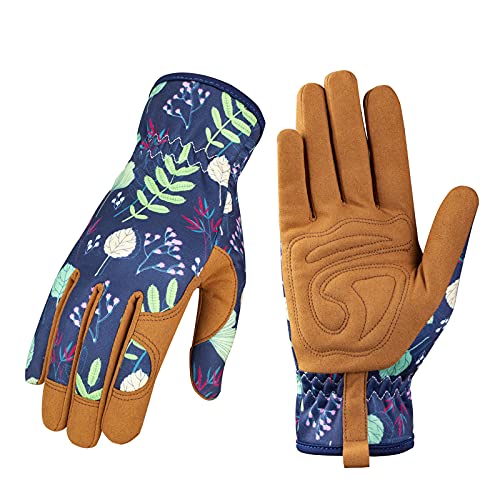
Inspect your trellis each spring and after storms. Tighten loose fasteners, retie plants, and replace rotting stakes or frayed cords. Prune vines to keep the weight manageable and to keep growth off gutters, siding, windows and power lines. Do not let climbers grow into utility lines or trees. Paint or oil wood on a regular schedule using products appropriate for garden use, and avoid treatments on parts that will contact edible crops unless the label permits it. Wear gloves when handling rough wood, wire or thorny plants, and eye protection when cutting or driving stakes. Take care with sharp cut ends of wire panels and rebar-style stakes by capping them, especially at child or eye height. At the end of the season, remove spent annual vines and clean the structure to reduce overwintering pests and disease.
Common mistakes
- Buying a trellis before knowing the plant’s climbing habit.
- Choosing a decorative panel too light for a heavy crop.
- Pressing the trellis against a wall with no airflow gap.
- Inadequate anchoring in soft soil or exposed sites.
- Setting bare wood deep into wet soil with no protection.
- Planting too late and trying to retrofit a trellis around mature stems.
- Letting ivy or other aggressive climbers attach to house walls.
Who should choose what
- Vegetable growers: A-frames, cattle-panel arches or tall posts with netting.
- Small-space gardeners: container-friendly fan or obelisk trellises.
- Ornamental gardeners: wood or metal panels, arches and obelisks in a style that suits the home.
- Renters: freestanding, removable structures with no wall fixings.
- Woodworkers: a handmade panel or arch in rot-resistant lumber, built to the exact size needed.
Buying checklist
- Identify the plant and its climbing method.
- Find its mature height and weight.
- Choose a material you can maintain.
- Check opening sizes and tie points.
- Confirm how the trellis will be anchored.
- Plan a gap between the structure and any wall.
- Locate underground utilities before digging.
- Check HOA or local rules for tall or fixed structures.
- Read the assembly instructions and included hardware list.
Frequently asked questions
What is the best trellis for tomatoes?
Tall, sturdy supports with tying points work best for indeterminate types. Choose strong posts and secure anchoring.
How tall should a trellis be?
At least as tall as the plant’s expected height, or plan to prune.
Can I attach a trellis to my house?
Yes, with proper fixings and spacers. Avoid damaging siding or waterproofing, and consider a freestanding option instead.
Is wood or metal better?
Both work. Wood looks natural and is easy to customize; metal can be slimmer and stronger but may rust or heat up.
How do I keep it from blowing over?
Set legs deep, add stakes or braces, and avoid solid, wide panels in exposed sites.
When should I install it?
Before or when you plant, so you do not damage roots later.
Will climbing plants damage my fence?
Some clinging species can. Use a freestanding or spaced trellis and choose well-behaved plants.
Can I make my own?
Yes. A simple frame with rails or a wire grid is a good beginner project. Use rot-resistant lumber and exterior-rated fasteners.
Conclusion
A trellis succeeds when the structure, the plant and the site agree. Start with the plant, size for the full-grown vine, and anchor as though the wind will test it. Handy extras include a garden trellis panel, soft plant ties, a trellis netting roll and work gloves. Check each listing for size and material details.
Disclosure: As an Amazon Associate we may earn from qualifying purchases at no extra cost to you.
Related guides
More from Amazon
Programs that pair well with the guide above. Offers and eligibility are set by Amazon and may change.
A free business account with business pricing and bulk-buying tools for work, shop or home office.
Create a business accountFree shipping on eligible items, Prime Video and more. Eligible new members can start with a free trial.
Start a Prime free trialAudiobooks and podcasts to listen to on the go. Eligible new members can start with a free trial.
Try Audible freeAd-free music streaming. Eligible new subscribers can start with a free trial.
Try Music Unlimited freeAs an Amazon Associate we earn from qualifying purchases.