What's inside
- What is in this guide
- Why cedar is a popular choice for raised beds
- Types of cedar raised garden beds
- Sizing: width, length and height
- Key features to look for
- Cedar species, grades and how to read a listing
- Matching a bed to how you garden
- Site, assembly and filling the bed
- Care, longevity and safety
- Common mistakes to avoid
- Who should choose what
- Buying checklist
- Frequently asked questions
- Conclusion
As an Amazon Associate I earn from qualifying purchases. This post may contain affiliate links at no extra cost to you.
Short answer: the best cedar raised garden bed is the one that matches your space, your plants and your back. For most vegetable gardeners that means a rectangular bed about 4 feet wide (so you can reach the middle from either side), 8 to 12 inches tall for shallow-rooted crops or 12 to 18 inches for deeper roots, built from boards that are thick enough to resist bowing, with corners that are joined mechanically rather than just glued or stapled. Choose heartwood-heavy boards with few large knots, an untreated or food-safe finish, and a design that lets you add height or a trellis later. Everything below explains how to weigh those choices.
Contents
- What is in this guide
- Why cedar is a popular choice for raised beds
- Types of cedar raised garden beds
- Sizing: width, length and height
- Key features to look for
- Cedar species, grades and how to read a listing
- Matching a bed to how you garden
- Site, assembly and filling the bed
- Care, longevity and safety
- Common mistakes to avoid
- Who should choose what
- Buying checklist
- Frequently asked questions
- Conclusion
Our Top Picks

What is in this guide
- Why cedar is a popular choice for raised beds
- Types of cedar raised garden beds
- Sizing: width, length and height
- Key features to look for
- Cedar species, grades and how to read a listing
- Matching a bed to how you garden
- Site, assembly and filling the bed
- Care, longevity and safety
- Common mistakes to avoid
- Who should choose what
- Buying checklist
- Frequently asked questions
- Conclusion
Why cedar is a popular choice for raised beds
A raised bed is a box that holds soil against constant moisture, which is about the hardest job you can ask of a piece of lumber. The boards stay damp on the inside, get rained on from the outside, and spend part of every year warm and wet. Most softwoods break down quickly under those conditions. Cedar is chosen because its heartwood contains natural oils and extractives that make it more resistant to rot and insects than ordinary construction lumber such as spruce, fir or untreated pine.
That resistance is a matter of degree, not a guarantee. Cedar still weathers, still turns silver-gray if you leave it unfinished, and will eventually decay where it sits in wet soil year after year. What cedar buys you is time, and the ability to grow food without relying on chemically preserved lumber. It is also lighter than many hardwoods, easy to cut and drill, and stable enough that boards tend to stay reasonably flat. Those traits make it friendly for both kit assembly and custom building.
There are trade-offs worth stating plainly. Cedar generally costs more than pine or fir, and the price difference is the main reason some gardeners choose something else. Cedar is also softer than many woods, so it dents if you drag tools across it and it needs well-chosen fasteners that will not split thin edges. If you are comparing materials at the same time, think about the total picture: how long you expect to garden in that spot, how much you will spend replacing boards, and how you feel about treated lumber near edible plants.
Types of cedar raised garden beds
Cedar beds come in a handful of basic forms. Understanding the type first narrows your choices faster than comparing individual listings.
Simple rectangular frame beds
This is the classic: four sides, no bottom, set directly on the ground. It is the most economical form and the one most gardeners should start with. Because the soil inside connects with the soil below, roots can go deeper than the box and water drains freely. These beds work on lawn (with cardboard or landscape fabric below to suppress grass), on bare soil, and on gravel or patios if you accept that the bed will not drain to the earth.
Stackable or tiered modular beds
These use interlocking corner posts or brackets so that you can start low and add a second or third course of boards later. They are handy if you are unsure how deep you need the bed, or if you want to raise the height over time as your knees complain. Check how the layers connect, because a stack that relies only on friction can shift when soil swells after rain.
Corner-post or bracket kits
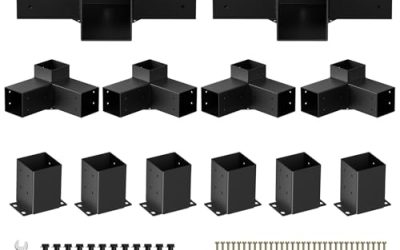
Here, boards slot into posts or metal or wooden connectors, so you can assemble the bed with simple tools and often take it apart again. They suit renters, people who move, and anyone who wants to reconfigure the layout between seasons. The strength of the corners and the quality of the connection matter more than the wood in this case.
Elevated or legged planters
These put a shallow bed on legs at waist height, sometimes with a shelf below. They are useful for wheelchair access, for people who cannot kneel, and for patios and balconies. The soil depth is limited, the bed dries out faster, and a full planter can be heavy, so check the stated load limits and the stability of the legs. Elevated beds usually have a bottom, which needs drainage holes and a liner or mesh to keep soil in.
L-shaped, corner and hexagonal beds
Decorative shapes let you fit awkward corners or create a focal point. They are more demanding to build and fill, and the interior space is harder to reach evenly, so they suit herbs, flowers and low-maintenance plantings better than intensive vegetable rows.
Custom-built beds from cedar boards
If you are comfortable with basic carpentry, buying cedar boards and posts and building your own gives you full control over dimensions and thickness. This can be a better route when you need an unusual length or want to include a bench edge, a cap rail or a trellis mount. It does require more planning and tools than assembling a kit.
Comparison of cedar raised bed types
| Type | Best for | Typical strengths | Watch out for |
|---|---|---|---|
| Simple rectangular frame | Vegetable gardens at ground level | Simple, strong, deep roots reach native soil | Weeds creeping under; needs bending or kneeling |
| Stackable modular | Gardeners unsure about depth | Adjustable height, can grow with your needs | Layers may shift if connections are weak |
| Corner-post or bracket kit | Renters and frequent movers | Tool-light assembly, can be disassembled | Connector strength varies; thin boards may bow |
| Elevated legged planter | Patios, accessibility, small spaces | Comfortable working height | Shallow soil, dries quickly, heavy when full |
| L-shaped or hexagonal | Corners, herbs, ornamental plantings | Fits odd spaces, looks designed | Harder to fill and reach; fewer straight rows |
| Custom-built | Unusual dimensions, added features | Full control over size and thickness | Requires tools, time and planning |
Sizing: width, length and height
Size decides whether a bed is a pleasure or a chore. Get it wrong and you will either stretch awkwardly to reach the middle or run out of root room for the crops you want to grow.
Width
The usual advice is to keep a bed no wider than about 4 feet if you can reach from both sides, and closer to 2 to 3 feet if it sits against a wall or fence and you can only work from one side. The point is never to step on the soil. Compacted soil starves roots of air and water, so the whole reason for a raised bed is lost if you walk in it. If you have short arms, limited mobility or a bad shoulder, go narrower. A bed that is 3 feet wide that you actually tend beats a 4-foot bed that you avoid.
Length
Length is flexible, and beds from 4 to 8 feet are common because lumber is sold in standard lengths and wastes little. Longer beds mean fewer corners and less edge per square foot, but they also make you walk all the way around to reach the other side. If a bed is longer than about 8 feet, consider leaving a gap in the layout or a narrow crossing path so you do not have to detour.
Height and soil depth
Depth determines what grows well. As a rough guide, leafy greens, radishes and many herbs are happy in around 6 to 8 inches of good soil, while tomatoes, peppers, carrots, beets and most root crops do better with 10 to 12 inches or more, and potatoes, deep-rooted perennials and shrubs appreciate more still. If the bed sits on loosened native soil, roots can also grow beyond the bed floor, so the bed height is not the only soil available. If it sits on a hard surface such as concrete or compacted fill, the bed height is the true limit.
Height also matters for comfort. A bed 10 to 12 inches high still involves bending. A bed 24 inches or taller starts to reduce stooping, and a bed at about hip or waist height is easiest for anyone who cannot kneel. Taller beds need considerably stronger corners and thicker boards, because soil pressure rises with depth, and they need much more fill.
Board thickness and length of span
Thin boards bow outward under the weight of wet soil, especially on long sides. Thicker lumber, shorter spans and mid-span supports such as stakes, braces or cross ties all fight bowing. As a rule, the longer the unsupported side and the taller the bed, the more you should look for thick boards, internal corner bracing and, on beds over about 6 feet long, a center brace across the width. A listing that gives actual board thickness (not just “nominal” size) is easier to judge than one that does not.
Key features to look for
Joinery and corners
Corners take the strain. Interlocking or notched joints, corner posts with screws, and metal or wood connectors that capture two boards at once are generally stronger than butt joints held with a few small staples or nails. For kits, look for descriptions that mention how pieces are fastened, whether hardware is included, and whether the hardware is rated for outdoor use. Fasteners that rust quickly will fail long before the wood does.
Finish and treatments
For vegetable growing, an unfinished bed is the simplest option and the one most people prefer, because nothing can leach into the soil. If you want a stain or sealer, choose a product that explicitly states it is safe for use around edible plants once cured, follow its instructions, and apply it to outer surfaces rather than the inside faces that touch soil. Some people line the interior with a food-safe barrier or heavy plastic sheeting on the lower portion to slow moisture contact. That can help, but trapped moisture can also cause its own issues, so leave drainage openings and avoid sealing the soil line completely.
Drainage and base
A bed without a bottom drains freely into the ground. A bed with a bottom, a planter on legs, or a bed on concrete needs drainage holes, and it benefits from a layer of breathable fabric above them to keep soil from washing out. Never fill a closed box with soil and leave it without any escape for excess water.
Cedar species, grades and how to read a listing
The word “cedar” covers several different trees, and listings are not always specific. Western red cedar is a softwood widely used for outdoor building and has a reputation for stability and natural decay resistance. Eastern red cedar is actually a juniper, is often aromatic, and is typically knotty with irregular color. Other trees sold as cedar, including some cypress and incense cedar products, vary in durability. Look for the species named in the description, and treat vague phrases such as “cedar-like” or “cedar wood” with a bit of caution.
Heartwood versus sapwood is the second thing to check. Heartwood, the darker inner wood, holds most of the protective compounds. Sapwood, the paler outer layer, is much less resistant. Boards with a lot of pale sapwood will not last as long in contact with soil. Photos can help here; if a listing shows pale streaks across many boards, expect shorter life from those pieces.
Check dimensions too: nominal sizes are not actual sizes, and a bed listed as 4 by 8 feet outside holds less once board thickness is subtracted.
Matching a bed to how you garden
New gardeners do best with one or two frame beds about 4 feet wide and 8 to 12 inches tall, with paths wide enough for a wheelbarrow. Patios and balconies call for elevated planters, but check deck or balcony load ratings because wet soil is very heavy. Gardeners with limited mobility benefit from tall beds with rounded edges and knee clearance. In short seasons, add hoops or a cold frame lid; in hot, dry climates, go deeper, mulch, and plan drip irrigation.
Which approach fits which situation
| Situation | Better fit | Why |
|---|---|---|
| Lawn replaced by garden | Frame bed on cardboard or fabric | Smothers grass; simple and strong |
| Hard-surface patio | Legged planter or bed with drainage | Controls water and keeps weight manageable |
| Poor or rocky native soil | Deeper frame bed, 12 in or more | Creates a controlled root zone |
| Temporary or rental space | Bracket or corner-post kit | Can be dismantled and moved |
| Want a trellised crop wall | Frame bed with strong end posts | Gives anchor points for supports |
| Gnawing pests such as voles or gophers | Bed with wire mesh underneath | Blocks burrowing animals from below |
Site, assembly and filling the bed
Pick a spot with the sunlight your crops need, usually six or more hours of direct sun for fruiting vegetables, near a water source. Level the ground, lay cardboard or fabric if you are covering lawn, and check that the frame is square by measuring both diagonals. Before you dig deeply for any reason, such as setting posts or adding drainage, have underground utilities located through your local call-before-you-dig service. Fill with a blend of quality topsoil and compost rather than bagged potting mix alone, and expect the level to settle in the first season.
Care, longevity and safety
Water at the base of plants, mulch the surface, and refresh the compost each year. Let air circulate around the outside of the boards, and keep mulch and vines from piling against them. Cedar will gray with sun; that is cosmetic. Replace boards that become soft when probed with a screwdriver. Wear gloves and a dust mask when cutting or sanding cedar, since the dust can irritate skin, eyes and airways for some people. Do not let children climb on tall frames, and keep heavy beds clear of drains and foundations.
Common mistakes to avoid
- Making the bed too wide to reach, then stepping into the soil.
- Choosing thin boards for a tall or long bed and fighting bowing later.
- Filling with cheap, light mix that compacts or drains poorly.
- Placing the bed in shade because the spot looked convenient.
- Using fasteners not rated for outdoor use.
- Skipping a plan for watering until summer arrives.
Who should choose what
Choose a plain frame bed if you want value and strength. Choose a stackable or bracket kit if flexibility matters. Choose an elevated planter for patios and accessibility. Build your own if you need unusual dimensions and have the tools. If budget is the main constraint, a smaller cedar bed done well beats a large one done cheaply.
Buying checklist
- Measure your space, including paths and a clear reach zone.
- Confirm the species named is cedar and look for heartwood-heavy boards.
- Compare actual board thickness and corner joinery.
- Check the interior growing area and height against your crops.
- Verify hardware is outdoor rated and included.
- Confirm drainage if the bed has a bottom or sits on a hard surface.
- Plan soil volume before you order.
- Read the return policy for warped or split boards.
Frequently asked questions
Is cedar safe for vegetable gardens?
Untreated cedar is widely used for edible beds. Avoid unknown stains or preservatives on soil-facing surfaces.
How long do cedar raised beds last?
It depends on species, heartwood content, climate and soil contact. Many last for years, but none is permanent.
How deep should a raised bed be?
Around 8 to 12 inches suits most vegetables; go deeper for root crops or hard ground beneath.
Do I need a bottom or liner?
Not on open ground. Add wire mesh if burrowing animals are a problem.
Can I put a bed on a patio?
Yes, with drainage holes and attention to weight and water runoff.
Should I stain or seal cedar?
Not necessary. If you do, choose a product labeled safe around edible plants and keep it off soil-facing surfaces.
Cedar or pine?
Cedar resists decay better; pine costs less and may need replacing sooner.
Do I need a permit?
Low garden beds rarely do, but check HOA rules and local codes for tall or fixed structures.
Conclusion
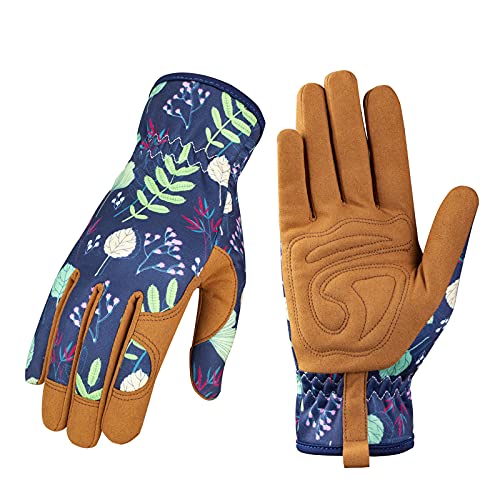
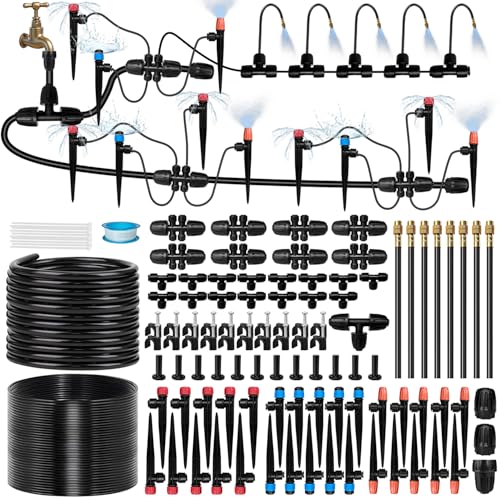
Start with how you garden, then match size, depth and construction. A well-joined cedar raised bed kit, a pair of sturdy garden gloves, and a drip irrigation kit make a solid starting setup.
Disclosure: As an Amazon Associate we may earn from qualifying purchases at no extra cost to you.
Related guides
More from Amazon
Programs that pair well with the guide above. Offers and eligibility are set by Amazon and may change.
A free business account with business pricing and bulk-buying tools for work, shop or home office.
Create a business accountFree shipping on eligible items, Prime Video and more. Eligible new members can start with a free trial.
Start a Prime free trialAudiobooks and podcasts to listen to on the go. Eligible new members can start with a free trial.
Try Audible freeAd-free music streaming. Eligible new subscribers can start with a free trial.
Try Music Unlimited freeAs an Amazon Associate we earn from qualifying purchases.