What's inside
As an Amazon Associate I earn from qualifying purchases. This post may contain affiliate links at no extra cost to you.
Short answer: the best charcuterie boards are sturdy, food-safe and sized for the crowd you actually serve. Close-grained hardwoods such as maple, walnut or cherry are popular, and a board of roughly 12 by 18 inches suits most small gatherings. Check the thickness, the finish and how easy the board is to wash before you buy, and plan on caring for it by hand.
Contents
Our Top Picks
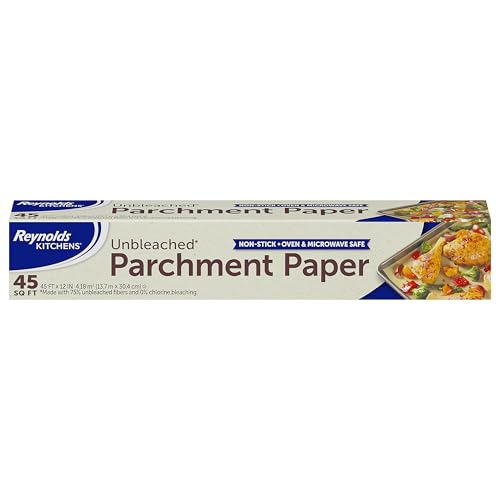 Reynolds Kitchens Unbleached Parchment Paper Roll45 Sq Ft (Pack of 1)12.44 x 2.13 x 2.13 inches0.4 poundsCheck on Amazon


In This Guide
- Choosing the wood
- Board types and constructions compared
- Size and shape
- Features that matter
- Finishes and food safety
- Choosing by occasion
- Cleaning and care
- Serving safely
- Common mistakes
- Buying as a gift
- Checklist
- FAQ
Choosing the Wood
Wood affects how a board looks, how well it resists knife marks and how it behaves in water. For serving, you have more freedom than for chopping, because a serving board mostly meets cheese knives, not heavy cleavers. Still, the general principle holds: tight, closed grain resists staining and absorbs less moisture than open, porous grain.
| Wood | Appearance | Character |
|---|---|---|
| Maple | Pale, even, subtle grain | Dense and close-grained; a long-standing choice for kitchen boards |
| Walnut | Deep brown, sometimes with purple or gray tones | Dramatic backdrop for cheese and fruit; shows crumbs and pale residue |
| Cherry | Warm reddish tone | Tends to darken gradually with light exposure |
| Oak | Pronounced grain | Open pores, so it may need extra care with wet or oily foods |
| Acacia | Varied, with strong light and dark contrast | Widely sold and attractive; check finish and construction quality |
| Olive wood | Swirling, wild grain | Every piece is unique; often smaller and more decorative |
| Bamboo | Pale, uniform | Technically a grass; budget friendly, built from laminated strips |
| Teak | Golden brown | Naturally oily; popular for serving ware |
Acacia vs Walnut
This pairing comes up constantly, so it is worth being clear. Walnut is prized for its rich, even color and a refined look that makes light cheeses and fruit stand out. Acacia is typically chosen for its lively contrast and its wide availability. Neither is automatically better for serving; what matters is the construction, the thickness and the finish. Compare boards of similar thickness, look for smooth edges and ask whether the board is made from a single piece or glued sections.
A Note on Allergies and Sensitivities
Some people have sensitivities to certain woods, particularly when dust is involved during sanding or machining. If you or a recipient have a known wood allergy, choose a species you know is safe for you, or use parchment under the food. For tree nut allergies, wood is not the same as nuts, but if there is any doubt, ask a medical professional.
Board Types and Constructions Compared
| Construction | How it looks | Strengths | Limitations |
|---|---|---|---|
| Single slab | One piece of wood, natural grain | Beautiful, simple, often with natural character | More prone to warping and splitting if not well dried |
| Edge-grain | Long strips glued side by side | Stable, durable, good everyday value | Visible seams; glue quality matters |
| End-grain | Checkerboard of blocks | Gentle on knives and often handsome | Heavier, costs more, needs regular oiling |
| Live-edge | Natural, uncut edge on one or more sides | Rustic look with a conversation piece feel | Edges can be irregular; bark must be fully removed or sealed |
| Composite or mixed material | Wood with slate, marble, resin or metal | Contrasting surfaces for cold cheeses or sweets | Different care needs; cannot always be washed the same way |
| Bamboo laminate | Uniform strips | Light and economical | Glue lines; quality varies widely |
For everyday serving, edge-grain boards are a sensible middle ground: dependable and attractive without being precious. End-grain boards are lovely but heavier and thirstier. A single slab with a nice grain pattern makes an excellent gift but should be dried and stabilized well.
Size and Shape
| Occasion | Suggested size | Notes |
|---|---|---|
| Two people | Around 10 by 14 inches, or a small round | Enough for a few cheeses, a meat and fruit |
| Four to six people | Around 12 by 18 inches | The most versatile size for a home cook |
| Eight to twelve people | 20 inches or longer, or two boards | Two boards also make refilling and passing easier |
| Large party or buffet | Several boards of varied size | Spread out so guests do not queue |
| Single cheese or appetizer | Small paddle or round | Great for dips or a bread-and-oil board |
Think about portion and not only people. A board that is mostly cheese and cured meats needs less area per head than one with fruit, nuts, crackers and spreads. Allow some blank space; a crowded board looks messy and makes it hard to cut anything.
Shapes
- Rectangle: the most space efficient and easiest to store and ship.
- Round: casual, social and good for a tabletop center.
- Oval or paddle: elegant and handy when you have a handle.
- Live-edge or irregular: rustic and individual, but harder to arrange symmetrically.
- Tiered or multi-section: practical for portioning but heavier to wash.
Check practical fit too. Will the board go into your sink to be washed? Will it fit in your fridge if you assemble it ahead? Will it sit on your table without hanging into guests’ laps? Measure first.
Features That Matter
Thickness
A board between about three quarters of an inch and an inch and a half thick resists warping better than a thin one. Very thin boards can bow, especially after washing, and they feel flimsy loaded with cheese. Very thick boards are sturdy but heavy to carry.
Handles and Feet
A cut-out handle or leather or rope loop makes carrying easier and doubles as a hanger. Small feet lift the board off the table, allowing air to circulate and avoiding trapped moisture. If a board has feet, check that they are firmly attached and will not scratch your table.
Juice Groove
A groove around the edge catches liquids from fruit, brie and brined items. It is valuable if you slice on the board, but it is harder to clean. For pure serving, a flat surface is easier.
Inserts and Compartments
Some boards include small bowls, slots for crackers or slate sections for labeling cheeses. They add convenience but also extra parts to wash. Decide whether you would use them.
Knives and Accessories
Many boards are sold with knives, markers and small utensils. These sets are convenient for gifts, but quality varies, so look at what you actually need rather than the number of pieces.
Finishes and Food Safety
A board that touches food should have a finish designed for that purpose. The most common are food-grade mineral oil and mixtures of mineral oil with beeswax, which soak into the wood or sit lightly on the surface and can be renewed at home. Some makers use plant-based oils and waxes; ask which, and keep in mind that some plant oils can turn rancid over time.
If a board has a glossy, plastic-looking coating, or the description is vague, treat it as decorative unless the seller clearly states that it is food-safe. For decor boards, place parchment or a clean liner beneath the food. A dull, dry or pale surface usually means the board needs oil.
Glue matters too. Boards made from multiple pieces should use a glue suitable for food-contact use, and the joints should be tight and smooth. Gaps in seams can trap food and moisture.
Choosing by Occasion
| Occasion | Good choice | Why |
|---|---|---|
| Weeknight snacks for two | Small edge-grain board or round paddle | Easy to wash and store |
| Hosting friends | Medium rectangle with feet | Space for variety, stable on the table |
| Large party | One large board plus a few small ones | Spreads the crowd and makes refilling easy |
| Outdoor gathering | Board with a solid base and a cover or tray | Wind, insects and heat are factors |
| Dessert or breakfast spread | Light wood or slate section | Fruit, pastry and chocolate stand out |
| Wedding or housewarming gift | Quality single-piece or edge-grain board, plus care instructions | Lasting, personal and useful |
A board you use often should be easy to wash and store. A showpiece board for special occasions can be more delicate and decorative. Many households benefit from owning both: a plain workhorse board and one prettier option for guests.
Cleaning and Care
Wooden boards last a long time when treated gently, and fail quickly when soaked or dried unevenly. The routine is simple.
- Scrape off residue with a spatula or the back of a knife soon after use.
- Wash by hand with a soft sponge, mild dish soap and warm water.
- Rinse quickly, without letting water pool on the surface.
- Wipe dry with a towel and stand the board on its edge so air reaches both sides.
- Never soak it, and never put it in a dishwasher; heat and long exposure to water cause cracking and warping.
- When the board looks dry or pale, rub in a thin coat of food-grade mineral oil, let it soak in, and wipe off the excess. How often depends on use and climate; a new board or a dry one may want oil more often.
- Store flat or on its edge in a dry place away from stoves, direct sun and radiators.
Removing Stains and Smells
For light staining, a sprinkle of coarse salt scrubbed with half a cut lemon is a traditional approach; rinse well and dry. For lingering smells, a paste of baking soda and water scrubbed gently can help. Afterward, re-oil the board, because both methods remove some of the finish. Deep cuts can be lightly sanded with fine sandpaper, followed by oiling.
Fixing Warping and Cracks
Mild warping sometimes eases if the board is allowed to rest and dry evenly, but a board that has seriously cupped is difficult to correct. Small hairline cracks are common in dry weather and can often be sealed by oiling. If a crack grows or a joint opens, retire the board from food use, since cracks can harbor bacteria.
Serving Safely
- Raw meat: do not prepare raw meat on your serving board. Use a separate cutting board that can be sanitized. Serving boards are for ready-to-eat foods.
- Time and temperature: keep cold foods cold and do not leave perishable items, such as soft cheeses and sliced meats, out for more than about two hours; reduce that to about one hour in hot conditions above roughly 90 degrees Fahrenheit.
- Chill ahead: assemble just before serving, or build the board and keep it in the fridge covered, then set it out shortly before guests arrive.
- Cross-contamination: use separate knives and tongs for different items, particularly cheeses and meats, and wash hands before handling.
- Vulnerable guests: pregnant guests, older adults, young children and people with weakened immune systems are often advised to avoid certain soft, unpasteurized cheeses and cured or deli meats. Offer labeled alternatives where you can.
- Allergens: keep nuts, dairy and gluten-containing items separate and labelled if guests have allergies.
- Leftovers: refrigerate leftovers promptly in airtight containers, and discard items that sat out too long.
Common Mistakes
- Buying too small. A crowded board looks cluttered and is hard to use. When in doubt, go up a size.
- Choosing a decorative-only board and placing food directly on it.
- Putting wood in the dishwasher. It is the fastest way to ruin a board.
- Skipping oil. A dry board stains more easily and cracks.
- Ignoring weight. A very heavy board can be hard to carry when full.
- Using it as a cutting board for raw meat.
- Choosing glossy varnish with no food-safety information.
- Forgetting storage. A huge board is useless if it does not fit your cabinet.
- Leaving wet items on the board for hours, which draws moisture into the wood.
Buying as a Gift
A wooden board makes a thoughtful housewarming, wedding or hostess gift because it is useful, durable and personal. Think about the recipient’s kitchen and habits. A casual cook might love a mid-size edge-grain board with a handle, while someone who entertains often might appreciate a large board with a juice groove. Include a short care card, since many people do not know that wood should not go in the dishwasher. If you add a small bottle of food-grade mineral oil, the gift is complete. Avoid heavily personalized engraving unless you know the recipient well, and remember that engraving areas can collect food residue if deep.
Who Should Choose What
| You are… | Lean toward | Reason |
|---|---|---|
| A beginner host | Medium edge-grain board in maple or acacia | Forgiving, easy to care for, widely available |
| A frequent entertainer | Large board plus a second small one | Capacity and flexibility |
| A minimalist | Light, plain, thin-profile board | Clean look, simple storage |
| A style-driven host | Walnut, live-edge or olive wood | Visual impact |
| A busy household | Sturdy hardwood with minimal grooves | Quick to wash |
| A gift giver | Quality single-piece or edge-grain board with care card | Lasting and meaningful |
Checklist
- Decide how many people you usually serve and choose the size.
- Pick a wood that suits your look and your upkeep tolerance.
- Check thickness, edges and joints for tight, smooth construction.
- Confirm the finish is described as food-safe.
- Decide on handle, feet and juice groove.
- Measure for the sink, fridge and cabinet.
- Plan your cleaning and oiling routine.
- Keep a separate board for raw meat.
Useful Extras
A few accessories make a board easier to use and care for. Food-grade mineral oil keeps wood from drying out, and a board wax or butter adds a light protective layer. Cheese knives suit different textures, from hard to soft. Small serving bowls hold olives, jams and nuts, and parchment paper provides a liner for decorative boards.
Disclosure: As an Amazon Associate, we earn from qualifying purchases. The links above are placeholders for general product types.
Frequently Asked Questions
What is the best wood for a charcuterie board?
Close-grained hardwoods such as maple, walnut and cherry are popular because they are dense and attractive. Acacia and teak are also common. The best choice depends on your style, budget and how much care you are willing to give.
What size charcuterie board should I buy?
Around 12 by 18 inches covers four to six people. Choose smaller for two and larger, or multiple boards, for groups. Always check that it fits your sink and fridge.
Can I cut directly on a charcuterie board?
You can slice cheese or cooked meats on a sturdy board, but heavy chopping is better done on a cutting board. Never cut raw meat on a serving board.
How do I clean a wooden charcuterie board?
Wash by hand with mild soap and warm water, rinse quickly, dry with a towel and stand it up to air dry. Do not soak or put it in the dishwasher.
How often should I oil a wooden board?
Whenever it looks dry or pale. That may be every few weeks for a well-used board, and less often for one used occasionally. New boards may need extra coats at first.
Is bamboo a good choice?
Bamboo is light and affordable, but laminated strips and glue lines vary in quality. It is fine for casual use when well made, though a hardwood board often feels more substantial.
How long can a charcuterie board sit out?
Perishable foods should generally not stay out more than about two hours, or about one hour in hot weather. Keep refills in the fridge and swap them in as needed.
Are glossy or painted boards safe for food?
Only if the maker clearly states they are food-safe. Otherwise treat them as decor and use a liner under the food.
Conclusion
A good charcuterie board is simple: a stable, well-made piece of wood in a size that fits your gatherings, finished with something food-safe and cared for by hand. Choose your wood for looks and upkeep, pick a construction that suits your budget, serve safely and keep up with oiling. Do that, and the board becomes a reliable centerpiece for years of casual snacks and special occasions.
Related guides
More from Amazon
Programs that pair well with the guide above. Offers and eligibility are set by Amazon and may change.
A free business account with business pricing and bulk-buying tools for work, shop or home office.
Create a business accountFree shipping on eligible items, Prime Video and more. Eligible new members can start with a free trial.
Start a Prime free trialAudiobooks and podcasts to listen to on the go. Eligible new members can start with a free trial.
Try Audible freeAd-free music streaming. Eligible new subscribers can start with a free trial.
Try Music Unlimited freeAs an Amazon Associate we earn from qualifying purchases.