What's inside
As an Amazon Associate I earn from qualifying purchases. This post may contain affiliate links at no extra cost to you.
A canning salsa recipe with fresh tomatoes should use peeled tomatoes, a measured amount of 5% vinegar, half-pint or pint jars, and a boiling-water processing time adjusted for altitude. The formula below makes approximately 5 pint jars and is designed around conservative home-canning practice: do not reduce the vinegar, increase the vegetables, or substitute low-acid ingredients without using a separately validated recipe.
As an Amazon Associate we earn from qualifying purchases at no extra cost to you.


Contents
Our Top Picks
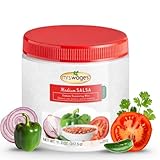
 Mrs. Wages Medium Salsa Canning Mix11.2 Ounce (Pack of 1)3.5 x 4.38 x 4.75 Inches0.7 poundsCheck on Amazon
 Mrs. Wages Mild Salsa Canning Mix4 Ounce (Pack of 12)11.42 x 7.76 x 5.59 inches0.25 PoundsCheck on Amazon
 Concord Foods Mild Salsa Seasoning Mix1.06 Ounce (Pack of 18)8.74 x 6.73 x 4.92 Inches1.57 poundsCheck on Amazon

Fresh-Tomato Canning Salsa at a Glance
| Specification | Recommended amount or setting |
|---|---|
| Finished yield | Approximately 5 pints, or 10 half-pints |
| Tomatoes | 6 cups peeled, cored, seeded, chopped tomatoes |
| Onion | 2 cups finely chopped onion |
| Peppers | 1 cup chopped sweet or hot peppers |
| Acid | 1 1/2 cups bottled vinegar containing 5% acidity |
| Salt | 1 tablespoon canning or pickling salt |
| Jar size | Half-pint or pint jars; do not use quart jars for this formula |
| Headspace | 1/2 inch |
| Water-bath processing | 15 to 35 minutes, depending on elevation |
Ingredients
- 6 cups peeled, cored, seeded, and chopped ripe tomatoes
- 2 cups finely chopped onions
- 1 cup chopped peppers, using any combination of mild bell peppers and hot peppers
- 1 1/2 cups bottled vinegar labeled 5% acidity
- 1 tablespoon canning or pickling salt
- 1 tablespoon granulated sugar, optional, to balance sharp acidity
- 1 teaspoon dried oregano, optional
- 1 teaspoon ground cumin, optional
- 1/2 teaspoon black pepper, optional
Use bottled vinegar rather than homemade vinegar because its acidity is standardized. White vinegar gives the brightest color; cider vinegar produces a rounder, slightly darker flavor. If using hot peppers, keep the total pepper quantity at 1 cup. For a milder salsa, replace hot peppers with bell peppers rather than adding extra vegetables.
Prepare the Tomatoes Correctly
Choose firm, ripe tomatoes without mold, deep bruising, or soft, leaking areas. Wash them under cool running water, remove the cores, and cut a shallow X in the blossom end of each tomato.
- Lower the tomatoes into boiling water for about 30 to 60 seconds, until the skins split.
- Move them immediately to ice water.
- Slip off the skins, remove the cores, and cut out damaged portions.
- Cut the tomatoes in half and remove excess seeds and watery pulp.
- Chop the tomato flesh and measure 6 cups after preparation.
Removing excess liquid is useful for texture, but do not compensate for a watery batch by reducing the vinegar. The measured vinegar is the important safety control. Roma or paste tomatoes usually produce a thicker salsa, while standard slicing tomatoes create a looser finished product.
Step-by-Step Canning Workflow
1. Prepare the canner and jars
Use a boiling-water canner deep enough to cover filled jars by at least 1 inch of water, with a rack that keeps jars off the bottom. Wash jars, lids, and bands. Keep jars hot until filling; half-pint and pint jars do not normally require separate pre-sterilizing when they will be processed for 10 minutes or longer, but they must still be clean and hot.
2. Cook the salsa
Combine the tomatoes, onions, peppers, vinegar, salt, sugar, and optional dried seasonings in a large stainless-steel or enamel-coated pot. Avoid unlined aluminum because the acidic mixture can react with the metal and affect flavor or appearance.
Bring the mixture to a boil over medium-high heat, stirring frequently. Reduce the heat and simmer uncovered for 10 minutes, or until the vegetables are tender and the salsa reaches the consistency you prefer. Do not thicken it with flour, cornstarch, or other starches; thickening can interfere with heat penetration during processing.
3. Fill the jars
Ladle hot salsa into hot half-pint or pint jars, leaving exactly 1/2 inch of headspace. Remove trapped air bubbles with a plastic bubble remover or nonmetallic spatula. Wipe each rim clean, center a prepared lid, and apply the band fingertip-tight. Over-tightening can prevent air from venting and may damage the seal.
4. Process in the boiling-water canner
Place jars upright on the rack. Add boiling water if necessary so the water covers the lids by at least 1 inch. Put on the canner lid and begin timing only when the water returns to a full, vigorous boil.
| Elevation | Processing time for half-pint or pint jars |
|---|---|
| 0 to 1,000 feet | 15 minutes |
| 1,001 to 3,000 feet | 20 minutes |
| 3,001 to 6,000 feet | 25 minutes |
| 6,001 to 8,000 feet | 30 minutes |
| 8,001 to 10,000 feet | 35 minutes |
If the boil stops at any point, return the water to a vigorous boil and restart the full processing time. At the end, turn off the heat, remove the lid away from your face, and let the jars stand in the canner for 5 minutes before moving them.
5. Cool and check the seals
Lift jars straight up with a jar lifter and place them on a towel, leaving space between them. Do not retighten bands or press the lids. Let the jars cool undisturbed for 12 to 24 hours.
Remove the bands and press the center of each lid. A properly sealed lid should remain concave and should not flex or click. Wash and dry the outside of the jars, label them with the contents and date, and store them without the bands. If a jar has not sealed, refrigerate it and use the salsa within a few days, or transfer it to a freezer-safe container.
Storage and Safety Rules
- Store sealed jars in a cool, dark, dry location, ideally between 50°F and 70°F.
- For best quality, use the salsa within 12 months, although a sound seal does not automatically fail on that date.
- Before opening, discard any jar that is leaking, bulging, spurting, badly cracked, moldy, or unusually foul-smelling. Do not taste questionable food.
- Refrigerate opened salsa and use it within about one week.
- Never reduce the vinegar or replace it with an acid of unknown strength.
- Do not add fresh garlic, extra onions, extra peppers, beans, corn, meat, or fruit to this canning formula.
Common Mistakes That Affect the Result
Using fresh lemon juice without recalculating the formula: bottled lemon juice has standardized acidity, while fresh juice varies. This recipe uses bottled 5% vinegar as its measured acid.
Eyeballing headspace: too little headspace can force salsa under the lid, while too much can prevent a reliable vacuum. A headspace tool makes the 1/2-inch measurement repeatable.
Filling cold jars with hot salsa: sudden temperature changes can cause thermal shock and breakage. Keep jars hot until filling.
Expecting a restaurant-thick texture: water-bath-safe salsa must retain its specified liquid balance. For thicker serving consistency, drain a portion after opening or use paste tomatoes next time rather than adding starch.
Final Decision: Is This Recipe Right for You?
This method suits cooks who want shelf-stable salsa in manageable pint-size portions and are willing to measure the vinegar and follow altitude-adjusted processing times. Use half-pints if the household opens salsa slowly; use pints for frequent serving. If you want to improvise substantially with vegetables, make a fresh refrigerator salsa instead of altering a canning formula. The key trade-off is simple: measured acidity and fixed proportions provide the safety margin, while tomato variety and optional dry seasonings provide room for flavor.