What's inside
- Top Picks at a Glance
- Comparison Table
- 1. Titebond III Ultimate Wood Glue: Best Overall for Woodworking
- 2. Scotch Super 77 Multipurpose Adhesive Spray: Best Spray Adhesive
- 3. Loctite PL Premium Polyurethane Construction Adhesive: Best Construction Adhesive
- 4. J-B Weld 50133 Plastic Bonder Structural Adhesive: Best Plastic Bonder
- 5. Great Stuff Smart Dispenser Multipurpose: Best Expanding Foam
- 6. Liquid Rubber Color Roof Sealant: Best Roof Sealant
- 7. GE Advanced Silicone Caulk for Kitchen and Bathroom: Best Silicone Sealant
- Also Consider
- Which Product for Which Job?
- Worked Example: Building a Workshop Storage Bench
- Surface Preparation and Cure Checklist
- How We Chose
- Buying Guide
- Common Mistakes
- More Picks Worth Considering
- Frequently Asked Questions
- Which One Should You Buy?
- Sources
As an Amazon Associate I earn from qualifying purchases. This post may contain affiliate links at no extra cost to you.
The best adhesives and sealants for DIY are the ones matched to the material and the job, not one miracle product. For wood joints our top pick is Titebond III Ultimate Wood Glue, and for general-purpose bonding of paper, fabric, foam and light materials it is Scotch Super 77 spray adhesive. The runner-up for structural work is Loctite PL Premium Polyurethane Construction Adhesive. Below we cover seven main picks, from a plastic bonder and expanding foam to silicone caulk and a roof sealant, plus a quick chooser table so you can pick the right product before you buy.
Most failed repairs come from using the wrong product on the wrong surface, such as a PVA wood glue on plastic or a bathroom caulk on a roof. This guide explains where each type shines, what it needs from you (clamping, ventilation, cure time), and the common mistakes. We also include practical notes on the best spray adhesive, the best plastic epoxy-style bonder, the best expanding foam and the best roof sealant for DIY repairs.
As an Amazon Associate we earn from qualifying purchases at no extra cost to you.


Contents
- Top Picks at a Glance
- Comparison Table
- 1. Titebond III Ultimate Wood Glue: Best Overall for Woodworking
- 2. Scotch Super 77 Multipurpose Adhesive Spray: Best Spray Adhesive
- 3. Loctite PL Premium Polyurethane Construction Adhesive: Best Construction Adhesive
- 4. J-B Weld 50133 Plastic Bonder Structural Adhesive: Best Plastic Bonder
- 5. Great Stuff Smart Dispenser Multipurpose: Best Expanding Foam
- 6. Liquid Rubber Color Roof Sealant: Best Roof Sealant
- 7. GE Advanced Silicone Caulk for Kitchen and Bathroom: Best Silicone Sealant
- Also Consider
- Which Product for Which Job?
- Worked Example: Building a Workshop Storage Bench
- Surface Preparation and Cure Checklist
- How We Chose
- Buying Guide
- Common Mistakes
- More Picks Worth Considering
- Frequently Asked Questions
- Which One Should You Buy?
- Sources
Top Picks at a Glance
- Best Overall for Woodworking: Titebond III Ultimate Wood Glue, 16 oz
- Best Spray Adhesive: Scotch Super 77 Multipurpose Adhesive Spray, 10.7 oz
- Best Construction Adhesive: Loctite PL Premium Polyurethane Construction Adhesive, 10 fl oz cartridge
- Best Plastic Bonder: J-B Weld 50133 Plastic Bonder Structural Adhesive, 25 ml syringe
- Best Expanding Foam: Great Stuff Smart Dispenser Multipurpose, 12 oz
- Best Roof Sealant: Liquid Rubber Color Roof Sealant, 1 gallon, light gray
- Best Silicone Sealant for Kitchen and Bath: GE Advanced Silicone Caulk, 2.8 fl oz tube
Comparison Table
| Product | Best for | Key specs (from listing) | Watch for | Price tier |
|---|---|---|---|---|
| Titebond III Ultimate Wood Glue | Wood joints, cutting-board style projects, outdoor furniture | 16 oz bottle, waterproof, interior and exterior, 8-10 minute open time | Needs clamping; not for plastics or metal | Budget |
| Scotch Super 77 Spray | Fabric, foam, cardboard, felt, templates | 10.7 oz can, bonds fabric, cardboard, plastic, metal, wood, felt | Overspray; ventilation needed | Mid-range |
| Loctite PL Premium Polyurethane | Subfloor, trim, framing, outdoor repairs | 10 fl oz cartridge, paintable, polyurethane | Needs a caulk gun; long clamp time | Budget |
| J-B Weld 50133 Plastic Bonder | Rigid plastic repairs, brackets, housings | 25 ml syringe, tan, structural adhesive | Small quantity; not for all plastics | Budget |
| Great Stuff Smart Dispenser Multipurpose | Filling gaps and cracks, sealing around pipes | 12 oz can, black, dispenser straw | Expands; do not overfill | Budget |
| Liquid Rubber Color Roof Sealant | Flat and metal roofs, low-slope roofs | 1 gallon, light gray, elastomeric, UV-stable | Needs a clean, dry roof surface | Premium |
| GE Advanced Silicone Caulk | Kitchen and bath seams | 2.8 fl oz tube, clear, waterproof | Not paintable; needs cleanup solvent | Budget |
1. Titebond III Ultimate Wood Glue: Best Overall for Woodworking
- 16 oz bottle (other sizes available)
- Waterproof PVA, interior and exterior use
- 8-10 minute open time per the listing
- Rated Type I waterproof under the ANSI/HPVA standard, per the larger-size listing
- Tan color; dries to a light brown line
Best for: furniture, cutting boards, outdoor projects and anything exposed to moisture. Skip if: you need to glue plastic, metal or a gap larger than a hairline.
PVA wood glue is the foundation of most shop work, and the III variant adds waterproofing and a slightly longer working time, which helps with complicated glue-ups. According to common manufacturer data, you get about 8 to 10 minutes of open time and a clamp time of roughly 30 minutes to an hour for unstressed joints, with a full cure in about 24 hours. Those numbers vary with temperature and humidity, and the minimum application temperature is around 47 degrees Fahrenheit, so do not glue up in a cold garage.
In practice, the open time is what matters: it is the window to position parts and clamp before the glue skins over. For a simple edge joint, 8 to 10 minutes is plenty. For a drawer carcass with many parts, practice the assembly dry first and have the clamps pre-set. Wipe squeeze-out with a damp cloth before it dries, since it can affect stain absorption. Tan glue shows more on light woods, so keep a light hand.
Pros: waterproof; strong wood bond; long enough open time; widely available sizes. Cons: needs clamping; cold-weather limits; visible glue line on pale wood.
2. Scotch Super 77 Multipurpose Adhesive Spray: Best Spray Adhesive
- 10.7 oz can
- Bonds fabric, cardboard, plastic, metal, wood and felt per the listing
- Spray application for even coverage
Best for: upholstery foam, craft templates, cardboard mockups, sandpaper sheets and lightweight laminating. Skip if: you need a structural bond or a waterproof joint outdoors.
Spray adhesive is the right choice when you want even coverage across a wide surface without lumps. In a workshop, it is commonly used for sticking paper patterns to wood for scroll saw cutting, mounting templates, and gluing foam to a base. Since it is a contact-style adhesive, spray both surfaces for the strongest tack, wait for the maker’s recommended time, and press together firmly. For a temporary hold, a light coat on one surface is typically enough.
Work in a ventilated area, protect nearby surfaces from overspray, and clean the nozzle by inverting the can and spraying briefly onto scrap after use so it does not clog. Always read the can for surface compatibility; some foams and thin plastics react to solvents in aerosol adhesives.
Pros: fast, even coverage; wide material compatibility; good for templates and crafts. Cons: overspray; not structural; needs ventilation.
3. Loctite PL Premium Polyurethane Construction Adhesive: Best Construction Adhesive
- 10 fl oz cartridge
- Polyurethane, paintable per the listing
- Used for wood, drywall, subfloor, trim and masonry
- Applied with a caulk gun
Best for: subfloor, framing, trim, outdoor repairs and gap-filling jobs. Skip if: you want a clear, invisible joint or a very fast set.
Polyurethane construction adhesive is the heavy-duty option. Third-party datasheet copies list an open time of 15 to 20 minutes and a long clamp or hold time of around 24 hours, with full cure over several days; check the current datasheet before relying on exact numbers. It cures with moisture, which helps in damp conditions but means it is messy to remove from skin once cured. Wear nitrile gloves and have mineral spirits on hand for cleanup before it sets.
In a shop, use it for jobs where PVA glue would fail: bonding wood to concrete, attaching a workbench top to a frame, or fixing a loose subfloor panel. Hold parts with screws, braces or clamps while it cures.
Pros: strong, gap-filling, paintable; cartridge format is easy to apply. Cons: long hold time; messy; not for fine woodworking joints.
4. J-B Weld 50133 Plastic Bonder Structural Adhesive: Best Plastic Bonder
- 25 ml dual syringe
- Tan color
- Structural two-part adhesive for plastic
Best for: repairing rigid plastic housings, brackets, tool parts and trim. Skip if: the plastic is a soft, waxy type such as some polyethylene, which resists most glues. Check the product label for compatible plastics.
Plastic is the hardest material to glue because many types have low surface energy. A dedicated plastic bonder with a two-part formula is the dependable route, and a syringe keeps the ratio correct. Mix the two parts thoroughly on a scrap surface, apply to scuffed, clean surfaces, and hold parts steady while it sets according to the maker’s cure times, which are not stated in the title.
Roughening the surfaces with sandpaper helps the bond grip. A 25 ml syringe is enough for several small repairs, but not for large structural jobs. If you are repairing a power-tool housing, check that the part is not under load or heat beyond the product’s rating.
Pros: structural bond for plastics; syringe controls ratio; economical for small repairs. Cons: small quantity; cure time and plastic compatibility must be read from the label.
5. Great Stuff Smart Dispenser Multipurpose: Best Expanding Foam
- 12 oz can
- Black foam with an attached smart dispenser
- Multipurpose formula for gaps and cracks
Best for: sealing gaps around pipes, wiring penetrations, and rim joists. Skip if: you need a window and door formula that does not push frames, or a fire-block rated product (check the can).
Expanding foam is not a glue. It fills irregular gaps and insulates and air-seals them. Foam expands after it leaves the can, so apply less than you think you need, filling the gap about a third to half full. Overfilling can bow door or window frames and makes trimming a mess. The attached dispenser makes it a one-handed job, but that means you cannot cap and store it easily once opened, so plan to use the can on the same day.
Wear gloves and eye protection; cured foam is difficult to remove from skin and fabric. Trim excess with a utility knife after it cures, and paint or cover it if it will be exposed to sunlight, since many polyurethane foams degrade under UV light.
Pros: easy dispenser; fills irregular gaps; air-sealing. Cons: messy; expands; short use window once opened.
6. Liquid Rubber Color Roof Sealant: Best Roof Sealant
- 1 gallon, light gray
- Elastomeric coating for flat and metal roofs
- Waterproof, UV-stable and flexible per the listing
- Compatible with low-slope roofs; resists cracking and chipping
Best for: sheds, workshop roofs, metal roofs and low-slope surfaces. Skip if: you need a repair for a steep shingle roof, or you cannot work in dry weather.
A roof sealant is a coating more than a caulk: you brush or roll it over a prepared surface, and it forms a flexible, waterproof film. A light gray color reflects sunlight, which helps with heat build-up in a shed or workshop roof. Preparation decides the result: remove loose debris, clean the surface, repair holes and seams first, and apply when no rain is forecast. Coverage per gallon is not listed here, so check the maker’s coverage chart before ordering.
For a typical small workshop roof, measure the area first. If the maker lists coverage in the range of tens of square feet per gallon for a thick coat, a 1 gallon pail may only cover a small section, so you might need several. Do not apply over standing water or in cold temperatures outside the stated range.
Pros: flexible, UV-stable coating; suits metal and flat roofs; reflective color. Cons: premium cost; needs dry weather and prep; coverage must be checked.
7. GE Advanced Silicone Caulk for Kitchen and Bathroom: Best Silicone Sealant
- 2.8 fl oz tube, clear
- Waterproof silicone for kitchen and bathroom seams
- Positioned as a stronger adhesion formula than basic caulk
Best for: sealing around sinks, tubs, backsplashes and glass. Skip if: you plan to paint over the caulk; silicone does not accept paint.
Silicone remains flexible, which is why it is the standard for joints that move with temperature and moisture. Remove old caulk completely, clean and dry the surface, apply a steady bead, and tool it smooth with a caulk tool or a gloved finger and soapy water. Use painter’s tape on both sides for a clean line. Keep the area dry until the maker’s cure time has passed.
A small tube like this suits spot repairs, while a cartridge is better for a whole bathroom. Ventilate when applying, because silicone releases a vinegar-like odor as it cures in many formulas.
Pros: waterproof, flexible; clean finish with tape; good for wet areas. Cons: not paintable; hard to remove old residue; small tube size.
Also Consider
- Gorilla 2 Part Epoxy, 5 minute set, 0.85 oz: a quick two-part epoxy for small rigid repairs on metal, wood and many hard materials.
- Liquid Nails Heavy Duty Construction Adhesive, 10 oz: a budget option for paneling, trim and general construction bonding.
- Gorilla Heavy Duty Spray Adhesive, 14 oz: a repositionable spray alternative to Super 77 for craft and foam work.
- Gorilla Wood Glue (PVA): a standard-duty wood glue for indoor projects where full waterproofing is not needed.
Which Product for Which Job?
| Job | Use | Why | Avoid |
|---|---|---|---|
| Glue two boards edge to edge | Titebond III | Strong, waterproof, workable open time | Foam or spray adhesive |
| Stick a paper template to wood | Super 77 | Even tack, easy to peel later with light coat | Heavy coats that soak the paper |
| Attach a workbench top to a base | Loctite PL Premium plus screws | Gap-filling structural bond | PVA alone on a wide gap |
| Fix a cracked plastic housing | J-B Weld Plastic Bonder | Designed for rigid plastics | Wood glue |
| Seal a gap around a pipe | Great Stuff Smart Dispenser | Fills irregular voids | Overfilling |
| Waterproof a shed roof | Liquid Rubber roof sealant | Flexible, UV-stable film | Applying in wet weather |
| Seal around a sink | GE Advanced Silicone | Waterproof, flexible | Painting over it |
Worked Example: Building a Workshop Storage Bench
To see how the products work together, imagine building a small outdoor storage bench for a workshop porch. The frame joints are glued with Titebond III and clamped for about an hour, then left a full day before loading. The plywood seat panel is bonded to the frame with a bead of Loctite PL Premium plus screws, because the panel spans a gap that PVA glue would not fill. A paper template for the decorative cut-out is held to the board with a light mist of Super 77 so it peels off without leaving residue.
A cracked plastic latch bracket is repaired with the J-B Weld Plastic Bonder after scuffing both faces. The gap where a water pipe enters the porch wall is sealed with a modest bead of Great Stuff foam, trimmed after curing, and painted to resist sunlight. Finally, the joint between the bench top and the wall is sealed with silicone so rain does not run behind it. One project, five different products, each used where it is strongest.
Surface Preparation and Cure Checklist
- Clean: remove dust, oil and old finish from the bonding area. Wipe metal and plastic with isopropyl alcohol.
- Roughen: scuff smooth plastic, metal and glossy paint with sandpaper so the adhesive has something to grip.
- Dry fit: assemble the parts without glue, mark positions, and pre-set clamps.
- Mind the temperature: check the minimum application temperature on the label, and avoid direct sun on the work.
- Apply the right amount: a thin even coat for PVA, a continuous bead for polyurethane, a third-full fill for foam.
- Hold: clamp, brace or screw the parts for the full hold time on the label, not just until it feels tacky.
- Wait before loading: full strength usually takes a day or more. Do not stress the joint early.
Store leftovers upright with the cap clean and tight, and write the open date on the container. PVA glues thicken and polyurethanes cure inside the tube once exposed to moisture, so buy sizes you will actually use within a few months.
A final budgeting note: for most home workshops the cheapest mistake is buying too much. A single bottle of wood glue, one cartridge of construction adhesive and one tube of silicone will cover the majority of small repairs for a year. Specialty items such as a roof coating or plastic bonder are worth buying only when a specific job calls for them, and the label’s coverage and cure data should drive the quantity you order.
How We Chose
This guide is research-based. We did not personally use these products. We compared product listings, manufacturer information, technical data sheet figures reported by third-party references and woodworking publications, and each product’s stated materials and use case. We chose one product per common DIY job so the list covers wood, plastic, fabric and foam, gaps, roofs and wet areas. We named only specs found in listings or reputable references and wrote “not listed” for anything else. Always read the label, since formulas and cure times change.
Buying Guide
Match the adhesive to the material
Porous materials such as wood, paper and fabric accept water-based and PVA glues. Non-porous materials such as metal, glass and many plastics need epoxy, polyurethane or a specialized bonder. If the label does not list your material, do not assume it works.
Check open time, clamp time and full cure
Open time is how long you can reposition parts. Clamp time is how long to hold them. Full cure is when the joint reaches full strength. For a wood glue-up with many parts, choose a longer open time of 8 minutes or more. For a quick repair, a 5-minute epoxy saves waiting but leaves little time to adjust.
Consider the environment
Outdoor and damp locations need waterproof formulas. Cold temperatures slow cure and can prevent it entirely; most products list a minimum application temperature, and PVA glues are often around 47 degrees Fahrenheit. Check it before starting a garage project in winter.
Think about gaps and flexibility
Wood glue needs tight joints. Polyurethane adhesives and foams fill gaps. Silicone and elastomeric coatings stay flexible where movement is expected, such as around tubs and on roofs.
Safety and cleanup
Wear gloves and eye protection, ventilate the area, and keep the cleanup solvent the label recommends within reach. Keep adhesives away from children and pets, and dispose of leftovers per local rules.
Common Mistakes
- Using wood glue on plastic, metal or glass joints.
- Applying silicone where you plan to paint.
- Overfilling gaps with expanding foam.
- Skipping surface prep: dust, grease and moisture ruin bonds.
- Ignoring minimum temperature limits.
- Not reading the cure time and loading the joint too soon.
More Picks Worth Considering
These additional options fit the same use case and are worth a look if the main picks above do not match your needs.
Scotch Super 77 Multipurpose Adhesive Spray, Bonds to Fabric, Cardboard, Plastic

Listed as Scotch Super 77 Multipurpose Adhesive Spray, Bonds to Fabric, Cardboard, Plastic. Compare size, material and compatibility with your own setup before choosing, and check the maker’s size or fit chart where relevant.
J-B Weld 50133 Plastic Bonder Structural Adhesive Syringe – Tan – 25 ml

Listed as J-B Weld 50133 Plastic Bonder Structural Adhesive Syringe – Tan – 25 ml. Compare size, material and compatibility with your own setup before choosing, and check the maker’s size or fit chart where relevant.
Great Stuff 99112876 Smart Dispenser Multipurpose Black, 12 Oz.

Listed as Great Stuff 99112876 Smart Dispenser Multipurpose Black, 12 Oz.. Compare size, material and compatibility with your own setup before choosing, and check the maker’s size or fit chart where relevant.
Liquid Rubber Color Roof Sealant – Flat & Metal Roofs, Light Gray, 1 Gallon
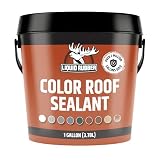
Listed as Liquid Rubber Color Roof Sealant – Flat & Metal Roofs, Light Gray, 1 Gallon. The maker’s listing highlights: Elastomeric Roof Coating – Waterproof, UV-Stable & Flexible – Compatible with Low-Slope Roofs, Resists Cracking & Chipping. Compare size, material and compatibility with your own setup before choosing, and check the maker’s size or fit chart where relevant.
Frequently Asked Questions
What is the best adhesive for DIY projects?
There is no single best product, but a good starter kit is Titebond III for wood, Loctite PL Premium for construction, a two-part epoxy for small repairs, and silicone caulk for wet areas.
What is the best spray adhesive?
Scotch Super 77 is the best-known multipurpose spray, good for fabric, foam, cardboard and templates. Gorilla Heavy Duty Spray is a worthwhile alternative if you want a repositionable option.
What is the best glue for plastic?
For rigid plastics, a dedicated bonder such as J-B Weld Plastic Bonder is a reliable choice. Always check that your plastic type is on the label, since some plastics resist glue.
Is expanding foam an adhesive?
No. It is a gap filler and insulator. It sticks to many surfaces as it cures, but should not be used to hold weight.
What is the best roof sealant for a shed?
An elastomeric coating such as Liquid Rubber on a clean, dry flat or metal roof is a good option. Check coverage per gallon and weather limits before buying.
Can I paint over silicone caulk?
Generally no, because paint does not stick. Use a paintable acrylic or hybrid caulk if you need to paint.
How long should I clamp wood glue?
For Titebond III on an unstressed joint, manufacturers suggest roughly 30 minutes to an hour, and about 24 hours for full strength. Follow the label for your product.
Which One Should You Buy?
For a woodworking shop, start with Titebond III and Loctite PL Premium. Add Scotch Super 77 if you do craft or template work, J-B Weld Plastic Bonder for repairs, Great Stuff for sealing gaps, GE silicone for wet joints, and Liquid Rubber for a shed roof. Buy only what your next project needs; adhesives have a shelf life once opened.
Sources
- Titebond product literature and technical data
- Loctite PL Premium technical data sheet
- 3M Scotch Super 77 product page
- J-B Weld, Great Stuff, GE and Liquid Rubber manufacturer pages
- Woodworking Advisor Titebond comparison guide
Last updated: October 2026