What's inside
As an Amazon Associate I earn from qualifying purchases. This post may contain affiliate links at no extra cost to you.
Contents
Wood Craft Supplies: What to Buy for Your Next Project
Buy wood craft supplies to match the project’s size, joinery, and finish: choose stable, straight stock in the smallest useful dimensions, one adhesive suited to the joint, a finish compatible with the wood and its use, and only the tools needed to cut, fit, and smooth it.
For a first project, a small, planned kit beats a large assortment. The table below matches common crafts with practical starting sizes; actual dimensions can vary slightly with the supplier and whether stock is sold nominally or at its finished size.
As an Amazon Associate we earn from qualifying purchases at no extra cost to you.


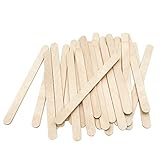
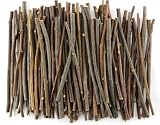
| Project | Useful wood to buy | Adhesive and finish | Small tools worth having |
|---|---|---|---|
| Ornaments, tags, small shapes | 3–6 mm (⅛–¼ in) basswood sheets; about 100 × 150 mm (4 × 6 in) to start | Wood glue for wood-to-wood joints; water-based clear finish or craft paint | Ruler, craft knife for thin stock, fine sandpaper, small clamps |
| Small box or tray | 6–12 mm (¼–½ in) poplar or pine boards; 150–300 mm (6–12 in) long | PVA wood glue; oil or water-based clear finish | Square, backsaw, sanding block, 2–4 clamps |
| Carving or whittling | 25–50 mm (1–2 in) basswood blocks; choose straight grain and a blank larger than the final form | Usually no adhesive; a thin coat of drying oil or water-based finish if desired | Sharp carving knife, strop, pencil, cut-resistant glove where appropriate |
| Layered signs or shapes | 3–6 mm (⅛–¼ in) plywood, or matching thin solid-wood sheets | PVA glue for wood layers; paint or clear topcoat | Fine-tooth saw, sanding block, small clamps or flat weights |
| Small display shelf | 12–19 mm (½–¾ in) boards; width and length chosen for the planned load and support | Wood glue for fitted joints; finish appropriate to indoor use | Drill and bits, square, measuring tape, clamps |
Choose wood by the job, not the bundle
Basswood is soft, light, and easy to carve or cut into small shapes. It is a sensible choice for ornaments, models, and practice carving. Its softness also means it dents easily, so it is less suitable for pieces that will be handled roughly.
Poplar is a practical, affordable hardwood for painted boxes and small utility projects. It is generally easier to machine than many harder species, though its color can vary. Pine is widely available and economical, but knots and resin pockets can complicate small joints and create uneven stain color. Inspect boards individually rather than assuming every piece in a bundle is usable.
Plywood is useful for flat signs, panels, and layered designs because its cross-laminated construction resists movement across the sheet. Check the faces for patches and the edges for voids. Craft plywood is not automatically structural-grade material: don’t rely on thin decorative sheets to carry significant weight.
Buy stock close to the required dimensions. A 300 mm (12 in) board is often more useful for a small box than a long pack of mixed lengths that leaves you with offcuts. Before paying, check for twists, bows, splits, loose knots, and chipped edges. For a project needing several matching parts, choose them together so their color and grain are reasonably consistent.
Match adhesive to the joint
For ordinary interior wood-to-wood joints, a standard PVA wood glue is usually enough. It works best when the parts fit closely and are clamped or held still for the label’s stated time. Glue cannot make up for a visibly gappy joint, and a heavy bead squeezed from the seam can make later finishing harder.
For a small project, a 118–237 ml (4–8 fl oz) bottle is often more practical than a large container: it is easier to control and less likely to sit unused until it thickens. Keep the cap and nozzle clean, close the bottle promptly, and store it as directed. Dried glue on the surface can block stain, so wipe fresh squeeze-out carefully without flooding the joint.
Use a different adhesive only when the materials or conditions call for it. For example, a craft adhesive may suit decorative mixed-material work, while water-resistant glue may be appropriate for a project exposed to damp conditions. Read the label for material compatibility, working time, cleanup, and curing conditions. “Water-resistant” does not mean suitable for every outdoor application.
Pick a finish for appearance and handling
For indoor ornaments and display pieces, paint or a water-based clear finish is often simple to apply and cleans up with water while wet. A penetrating oil can emphasize grain, but it may need more coats and maintenance; oily rags can heat up as they dry, so follow the product’s disposal instructions and never leave them crumpled.
For painted projects, sand the wood first and remove dust. A primer can help when the surface is porous, resinous, or unevenly colored. For stained work, test the complete stain-and-topcoat combination on an offcut: pine, poplar, and basswood can take color differently from what the container suggests. Allow each coat to dry as directed rather than applying the next coat by the clock alone.
Small containers are the economical choice when you need only a few projects’ worth. Compare the coverage printed on the label with your actual surface area, and leave room for extra coats and absorption. Don’t buy a large finish can solely because its price per milliliter is lower if most will expire or thicken before you use it.
Buy tools around the cuts you need
- Measure and mark: A 150 mm (6 in) ruler and a sharp pencil are enough for many small crafts. Add a square when parts must meet at a reliable right angle.
- Cut: A fine-tooth backsaw suits small boards; a craft knife is for thin sheets and controlled scoring, not thick stock. Pick a blade appropriate to the material and replace it when it starts tearing fibers.
- Hold: Two small clamps may handle a simple box side; four give more options for keeping corners aligned. Protect soft wood with scrap pads so clamp jaws don’t leave dents.
- Smooth: A sanding block is easier to control than loose paper on flat edges. Start around 120 grit for ordinary rough stock, then move to 180 or 220 grit for a smoother finish. Very fine sanding can reduce stain absorption, so follow the finish maker’s recommendations.
- Drill: For a shelf or project with screws, a small hand drill or variable-speed drill and bits sized to the fasteners help prevent splitting. Drill a test hole in scrap first.
Safety glasses are sensible when sawing, drilling, or sanding. Keep blades sharp, secure work before cutting, and use dust control; do not blow fine sanding dust into the air.
A quick buying plan by budget and workspace
| Your situation | Buy first | Defer until needed |
|---|---|---|
| One small project, tight budget | One suitable board or blank, small glue bottle if required, sandpaper, ruler, and the simplest safe cutting tool for the stock | Assorted wood bundles, specialty finishes, power tools |
| Beginner making several boxes | Matching poplar or pine stock, PVA glue, four small clamps, square, backsaw, sanding block | Multiple glue types and a large finish collection |
| Limited storage or shared workspace | Short lengths, compact hand tools, small finish containers, reusable clamp pads | Long boards, large bottles, bulky machines |
| Frequent projects | Consistent stock from one source, replacement saw blades, fresh sandpaper, and a finish you use regularly | Buying consumables in bulk before checking shelf life and storage needs |
Spend where it prevents rework
For most small projects, wood selection and accurate fitting matter more than owning many tools. A straight board, a square cut, and a well-clamped joint can outperform premium supplies used carelessly. The items that wear or run out first are typically blades, sandpaper, pencil leads, and sometimes glue; replace them when performance drops rather than compensating with extra pressure.
Make a cut list before shopping, then add a modest allowance for mistakes and grain selection. Buy only the wood, adhesive, finish, and tools that fit that list. That approach keeps the project manageable and leaves fewer half-used supplies behind.