What's inside
- Table of contents
- What the gate needs to do
- Gate styles
- Materials compared
- Hinges, latches, and stops
- Width, height, and swing direction
- Posts and the anti-sag problem
- Installation overview
- Rules, boundaries, and safety
- Weather care and maintenance
- Common mistakes
- Who should choose what
- Buying checklist
- FAQ
- Conclusion
As an Amazon Associate I earn from qualifying purchases. This post may contain affiliate links at no extra cost to you.
The short answer: the best garden gate is one that opens wide enough for what you carry through it, closes and latches on its own without fuss, and stays square for years. That outcome depends less on the decorative panel than on three unglamorous things: sturdy posts, hinges matched to the gate’s weight, and a latch that suits how the gate will be used. Wood gives you warmth and easy repair, metal gives you a slim, durable frame, and vinyl or composite lowers upkeep. Pick the style you like, then check the structure behind it.
Contents
- Table of contents
- What the gate needs to do
- Gate styles
- Materials compared
- Hinges, latches, and stops
- Width, height, and swing direction
- Posts and the anti-sag problem
- Installation overview
- Rules, boundaries, and safety
- Weather care and maintenance
- Common mistakes
- Who should choose what
- Buying checklist
- FAQ
- Conclusion
Table of contents
- What the gate needs to do
- Gate styles
- Materials compared
- Hinges, latches, and stops
- Width, height, and swing direction
- Posts and the anti-sag problem
- Installation overview
- Rules, boundaries, and safety
- Weather care and maintenance
- Common mistakes
- Who should choose what
- Buying checklist
- FAQ
- Conclusion
What the gate needs to do
Gates are small, but they are the moving part of a fence, and moving parts wear out. Before looking at styles, write down the job. Is it a decorative entrance to a flower garden that only you walk through? A side-yard gate that carries wheelbarrows, mowers, and trash bins every week? A gate that keeps toddlers or dogs in? An entrance that must close behind you without you thinking about it?
Each job points to different choices. A frequently used utility gate needs a solid frame, heavy-duty hinges, and a latch you can work with a full hand. A purely ornamental gate can be lighter and more delicate. A child or pet gate needs a latch that is hard to reach and a close-spacing design with no gaps to squeeze through or climb. Matching the gate to the job is the quickest way to avoid replacing it.
Gate styles
Picket gates
The cottage classic. Vertical pickets with space between them give you visibility and airflow, and the style is forgiving to build. Spacing and top shape (flat, pointed, scalloped) change the character. They offer little privacy but suit front gardens and decorative borders.
Solid or privacy gates
Tight boards or panels that match a privacy fence, so the gate disappears into the line. These are heavier and catch more wind, so they need stronger hinges and posts. Leave room for wood movement across the seasons.
Arched and arbor gates
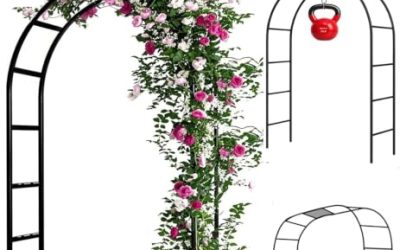
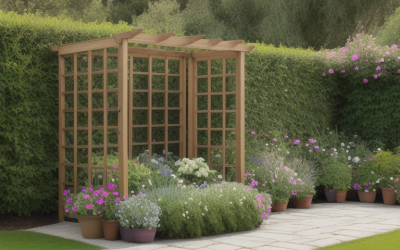
An arched top or a gate set beneath an arbor frames the entrance and invites climbing plants. Arched gates look elegant but are harder to build and more complex to repair, because the curved top rail is a specialty piece. If you build an arbor, make sure it is anchored well and think about wind load once the plants fill in.
Metal and wrought-style gates
Steel or aluminum frames with bars, scrolls, or panels. They are slim, strong in thin sections, and can be formal or modern. Verify the bar spacing if children or small pets are involved.
Materials compared
Here are the main choices in general terms. Check each product’s own specifications for dimensions, weight, and recommended hardware.
| Material | Strengths | Weaknesses | Upkeep | Good fit |
|---|---|---|---|---|
| Cedar or similar durable softwood | Attractive, lighter than many woods, takes stain, easy to customize | Costs more than basic lumber, can warp or check | Seal or stain periodically | Cottage and traditional gardens, DIY |
| Treated pine or other treated lumber | Budget friendly, rot resistant when rated for exterior use | Can twist while drying, needs a finish for appearance | Seal once dry, inspect yearly | Utility gates, budget builds |
| Steel | Strong, thin profile, rigid frame, welded construction resists sag | Rusts if the coating is breached, heavier | Touch up scratches, repaint occasionally | Formal or contemporary designs |
| Aluminum | Light, does not rust like steel | Less rigid in large sizes, can dent | Washing | Humid and coastal areas, lighter posts |
| Vinyl (PVC) | Low maintenance, does not need painting | Limited styles, can flex in large sizes, hardware must be rated for the gate | Washing | Matching a vinyl fence |
| Composite | Wood-like look with lower upkeep | Often heavy, higher cost | Washing | Matching a composite fence |
Hinges, latches, and stops
Hinge types
| Hinge | How it works | Best for | Notes |
|---|---|---|---|
| Strap hinge | Long straps spread load across the gate’s rail | Wood gates, heavier loads | The longer the strap, the better the leverage, within what the gate rail can hold |
| T-hinge | A strap with a shorter mounting plate | Light to medium gates | Common and simple, more limited on heavy gates |
| Adjustable or heavy-duty gate hinge | Allows tuning the gate position | Larger gates and anyone who wants to adjust later | Helpful as posts settle |
| Spring or self-closing hinge | A tension mechanism pulls the gate shut | Pet gates, pool-adjacent gates where required | Check the rated gate weight and adjust tension as per instructions |
| Hinges for vinyl or metal systems | Specified by the gate maker | Matched systems | Use the supplied or specified hardware |
Choose hinges rated for your gate’s weight and made of corrosion-resistant material, or finished for outdoor use. Use all the screw holes, and use screws the right length, long enough to bite into the post but not so long that they poke through. Bolts through the post are stronger than screws for larger gates.
Latches
- Thumb latch: classic and simple, used on cottage gates. Works with a lift motion, easy for most hands.
- Gravity latch: a bar drops into a catch as the gate closes. Reliable and common on utility gates.
- Magnetic latch: closes with a magnet and is often used where self-latching is required. Keep the release out of reach of small children if the gate guards a hazard.
- Slide bolt: simple and can be locked with a padlock, but requires manual operation.
- Drop rod or cane bolt: holds one leaf of a double gate to the ground.
- Locking latch: for security, with a keyed or combination mechanism.
A latch needs to line up well with its catch, so the gate has to hang correctly before the latch will work reliably. Allow a stop on the closing side, such as a strip of wood or a metal stop, so the gate does not swing past the latch post.
Width, height, and swing direction
Width
Measure what actually has to pass through. A person alone fits through a narrow opening, but a wheelbarrow, a lawn mower, a stroller, or a wheelchair need more room. Measure the widest item, add clearance on both sides for hands and turns, and then add room for the hinge and latch hardware. If you have a lawn mower or garden cart, measure its wheels at their widest point. If the opening needs to be much wider than a person-width gate, consider a double gate so each leaf stays manageable.
Height
Match the neighboring fence in height so the line looks continuous, unless you want a feature gate that is a bit taller or arched. For privacy, the gate should match the fence height. For deer or pets, the height should follow the animal’s behavior. Local rules may limit gate height just as they do fences.
Swing direction
Think about which way the gate should open. Opening inward is common for home entrances, but in some situations a gate that opens outward makes more sense, such as a pool or play area where local code may specify the direction. Check the ground in the swing path for slopes, steps, or plantings that would stop the gate. On a slope, you may need to angle the bottom rail or use rising hinges so the gate clears the ground.
Posts and the anti-sag problem
Most gates fail because the post moves, not because the gate breaks. The hinge post carries the entire gate’s weight and swings load on its top and bottom like a lever. If the post leans, the gate will drag and the latch will miss.
Setting good posts
- Use posts sized for the gate’s weight. Heavier gates call for larger posts than the line posts of the fence.
- Set them deep, following local guidance and the manufacturer’s recommendations, particularly in climates where the ground freezes.
- Use gravel at the bottom of the hole for drainage and set the post in concrete or compacted fill per the product instructions.
- Check plumb in two directions and brace the post while the concrete cures.
- Let the concrete cure fully before hanging the gate.
Preventing sag in the gate itself
A wood gate is a rectangle that wants to become a parallelogram. A diagonal brace running from the bottom hinge side up to the top latch side holds the frame square by transferring load to the hinge post. The brace should run in the right direction: low at the hinge end and high at the latch end, so it works in compression. Tension kits, which are cables or rods with a turnbuckle, serve the same purpose and can be tightened to adjust the gate. Joints should be glued where appropriate and fastened with exterior-rated screws, and metal corner brackets can help in lighter builds.
Installation overview
- Check rules and mark utilities. Confirm permits, HOA guidelines, and property lines first, then have utilities located before digging for posts.
- Measure the opening. Measure at the top, middle, and bottom, since openings are not always square. Subtract hardware and clearance gaps from the opening to get the gate width.
- Set the posts. Install the hinge and latch posts plumb, with the correct spacing, and let them cure.
- Prop the gate in position. Use blocks or shims under the gate to hold it at the right height and gap, with the gate square in the opening.
- Mount hinges. Mark the hinge locations, pre-drill, and fasten. Test the swing before final tightening.
- Install the latch and catch. Align the catch to the latch with the gate closed, and add a stop.
- Adjust. Check that the gate swings freely, closes squarely, and latches without lifting or pushing. Adjust hinges or shims as needed.
- Finish and seal. Seal or stain any wood, including the cut ends, and touch up metal finishes.
Take your time with the first fit. A gate that is slightly out of square at the start tends to get worse.
Rules, boundaries, and safety
- Permits and codes: if the gate is part of a new fence, check local permit and height rules. Pool and spa barriers often have specific requirements, including self-closing and self-latching gates and latch heights. Follow your local code, not general advice.
- Property lines and easements: a gate that swings over a neighbor’s land, or blocks a utility easement, can cause problems. Confirm your boundary with your survey or a licensed surveyor if unsure.
- HOA rules: associations often specify materials, colors, and styles.
- Call before you dig: contact the utility-locating service before digging post holes, because buried lines may run near gates and paths.
- Pinch points: keep fingers away from hinge gaps and latch areas, and teach children the same. Spring hinges can close with force.
- Child and pet safety: choose latches that are hard to reach or operate, and avoid horizontal rails that a child can climb.
- Lifting: large gates are heavy and awkward, so use a helper.
Weather care and maintenance
Wood
Seal or stain all surfaces, including the bottom edge and the cut ends, since those soak up the most water. Check for loose screws and hinge wear each season, and tighten them before they strip the wood. If a gate starts to drag, look at the posts first and then the brace and hinges. Touch up finish as soon as it wears thin.
Metal
Wash off dirt and salt. Touch up scratches right away with paint intended for the metal. Lubricate hinges with a suitable lubricant according to the maker’s advice, and watch for rust at weld points and where the gate touches the latch.
Common mistakes
- Using line-post-size posts for the hinge side. Gate posts need to be stronger.
- Choosing hinges by looks only. Rated capacity and length matter more.
- Measuring the opening once. Openings are rarely perfectly square, so measure in several places.
- Making the gate too narrow. A narrow opening becomes a daily annoyance.
- Forgetting the brace. Wood gates without bracing tend to sag.
- Hanging before the concrete cures. Early loading shifts the post.
- Skipping local pool or child safety rules. Those codes are specific and enforceable.
Who should choose what
| If you are… | Consider | Why |
|---|---|---|
| Creating a cottage garden entry | A picket gate in cedar or treated wood with a thumb latch | Classic look and simple hardware |
| Hauling equipment through a side yard | A sturdy utility gate or double gate with heavy hinges | Wide opening and durable parts |
| Wanting privacy | A solid or slatted gate matching the fence | Continuous screening |
| Concerned about kids or pets | A close-spaced gate with self-closing hinges and a high or hard-to-reach latch | Fewer escapes |
| Near the coast | Aluminum, vinyl, or well-finished wood with corrosion-resistant hardware | Resists salt exposure better |
| Wanting minimal maintenance | Vinyl, composite, or powder-coated metal | Little or no refinishing |
If you are comparing options, browse garden gates and read the listed dimensions, weight, and hardware details. Replacement parts such as heavy-duty gate hinges, gate latches, and anti-sag kits are common upgrades.
Buying checklist
- Define the gate’s main job and who or what will pass through.
- Measure the widest item and add clearance and hardware room.
- Measure the opening at the top, middle, and bottom.
- Check permit, HOA, and code requirements, including pool or play-area rules.
- Verify property lines before placing the gate.
- Call the utility-locating service before digging.
- Choose a material that suits your climate and upkeep.
- Check the gate’s weight and match posts and hinges to it.
- Choose hinges rated for the weight, with corrosion-resistant finish.
- Choose a latch you can use easily and children cannot.
- Plan swing direction and the clear path.
- Plan a brace or anti-sag kit for wood or wide gates.
- Schedule a seasonal check of posts, hinges, and latch.
FAQ
How wide should a garden gate be?
Wide enough for the widest thing you will move through it, plus clearance. Measure your wheelbarrow, mower, or cart, then add room for hands and turning. A double gate makes sense when a single leaf would be too wide and heavy.
Why does my gate sag?
Usually because the hinge post has leaned or moved, the gate frame has racked out of square, or the hinges are undersized. Fix the post first, then add a diagonal brace or an anti-sag kit, and check the hinges.
Which material lasts longest?
It depends on climate and care. Powder-coated or galvanized metal, vinyl, and composite need less upkeep, while wood lasts well when sealed and kept off wet ground. Well-set posts matter for every material.
What is the best latch for a garden gate?
It depends on use. Thumb latches suit decorative gates, gravity latches suit utility gates, and magnetic or self-latching types suit places where the gate must close on its own. Choose the one that matches your needs, including child safety.
Do garden gates need a permit?
A gate on its own often does not, but a gate in a new or modified fence may fall under local fence rules, and gates for pools or spas have specific requirements. Check with your local office and HOA.
Should a gate open in or out?
It depends on the site. Inward is common for homes, but check slope, plantings, and any local codes that specify direction for pool or play-area gates. Make sure the swing path is clear.
Can I install a gate in an existing fence?
Often yes, but you will need to add strong posts for the hinge and latch sides, since existing line posts may not be sized for the load. Plan the opening, set the new posts properly, and then cut and adjust the fence rails.
How do I keep a wooden gate from warping?
Use dry, quality lumber, seal all surfaces including the ends, brace the frame, and keep it from sitting in constant moisture. Regular refinishing and prompt repairs help it hold its shape.
Conclusion
A garden gate is a small project with an outsized effect on how a yard feels and works. Choose a style that suits the job, measure for the things you carry through it, and match materials and hardware to the weight of the gate. Spend your effort on solid, plumb posts and a braced frame, because that is what keeps a gate swinging smoothly. Check local rules, locate utilities before you dig, and follow any codes for pool or child safety. A little seasonal care keeps the latch lining up and the hinges quiet for years.
When you are ready to shop, review gate hardware kits and compare their rated weights and finishes against your plans.
As an Amazon Associate, we earn from qualifying purchases. Links marked as sponsored may earn a commission at no extra cost to you.
Related guides
More from Amazon
Programs that pair well with the guide above. Offers and eligibility are set by Amazon and may change.
A free business account with business pricing and bulk-buying tools for work, shop or home office.
Create a business accountFree shipping on eligible items, Prime Video and more. Eligible new members can start with a free trial.
Start a Prime free trialAudiobooks and podcasts to listen to on the go. Eligible new members can start with a free trial.
Try Audible freeAd-free music streaming. Eligible new subscribers can start with a free trial.
Try Music Unlimited freeAs an Amazon Associate we earn from qualifying purchases.