What's inside
As an Amazon Associate I earn from qualifying purchases. This post may contain affiliate links at no extra cost to you.
The best at home microdermabrasion kits for most people are diamond-tip systems with adjustable suction and multiple exfoliation discs, while crystal systems are better suited for users who want a finer abrasion without handling reusable tips that need thorough sanitizing. For sensitive or first-time use, choose a device with at least 2 suction levels and low-abrasion attachments; for weekly resurfacing on normal to oily skin, a higher-suction device with auto-mode and larger treatment heads is more efficient.
As an Amazon Associate we earn from qualifying purchases at no extra cost to you.


Contents
Diamond-Tip vs. Crystal Systems: How They Work
Diamond-tip kits use a wand tipped with bonded diamond particles to physically exfoliate as suction pulls skin toward the tip. Crystal systems propel fine aluminum oxide or sodium bicarbonate crystals onto the skin and immediately vacuum them away with dead skin cells. Both rely on suction control for effectiveness and safety, but they differ significantly in ongoing costs and cleaning.
Diamond-tip devices are the dominant category for at-home use in 2026. Crystal home units exist but are less common due to consumable crystal refills, filters that clog if not changed, and more mess during use. Crystal systems offer a more uniform abrasion and no need to sanitize a diamond tip, but they require you to buy and store crystal refills and replace filters frequently.
What to Compare Before You Buy
1. Suction Control and Sensitivity Settings
Suction does most of the work. Look for:
- Number of suction levels: Entry devices offer 1-2 levels; mid-range to professional-inspired models offer 3-5 levels plus a manual and auto mode. More levels give finer control for cheeks, forehead, and delicate areas around the nose and chin.
- Regulation method: Dial-controlled vacuum vs. button-press increments. Dials allow feathering between levels; buttons are more repeatable.
- Auto vs. manual suction: Some devices provide continuous suction, others provide pulsating or interval suction to reduce risk of bruising or petechiae on thin skin.
If you have sensitive skin, rosacea-prone skin, or are new to exfoliation, a device that starts very low and includes a sensitive disc or training cap is essential. For general information only — microdermabrasion is not suitable for active acne, eczema, rosacea flares, or irritated skin. Talk to a dermatologist before starting if you have a skin condition or use retinoids.
2. Attachments and Tip Size
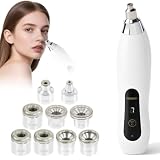
Diamond-tip kits typically include 2 to 4 interchangeable caps/tips:
- Fine / sensitive tip: Small diamond grit for first use and delicate areas
- Medium / standard tip: For cheeks and forehead on normal skin
- Coarse / body tip: Larger diameter (often 20-25mm) for body areas like elbows or to speed up facial treatments
- Precision tip: Small pore-extraction style tip for around the nose
Crystal systems use one nozzle size but may include different crystal flow settings. The equivalent of “grit” is controlled by crystal type and flow rate.
3. Cleaning Requirements
This is where ownership effort diverges. Diamond tips must be cleaned after every use to prevent buildup of oils and skin cells in the abrasive surface and suction port. Most require wiping with alcohol, washing with soapy water, and air-drying. Filters (foam or felt discs) inside the wand or handle need brushing or replacement every 4-6 uses.
Crystal systems require emptying the used-crystal reservoir, wiping down the nozzle, and replacing the internal filter before crystals back up into the motor. If filters are not changed, suction drops noticeably and the motor can overheat.
4. Replacement Costs
Diamond discs and caps dull over time rather than being consumed per session. Crystal costs are per-session. Body of the device usually lasts 2-4 years with proper filter changes; suction tubing and seals are what wear first.
Spec Comparison: Popular At-Home Systems
The models below represent the main types available in 2026 and show how specs translate to real use. All are diamond-tip unless noted.
| Model / Type | Suction Levels | Tips / Attachments Included | Power | Weight (Handle/Device) | Filter / Consumable |
|---|---|---|---|---|---|
| PMD Personal Microderm Classic | 1 (single speed, disc-dependent control) | 2 discs (fine + medium) + 2 caps | Corded (mains adapter) | ~115g handle / 180g total | Disposable discs, ~1 disc per 3-4 uses |
| PMD Personal Microderm Elite Pro | 2 suction levels + variable disc grit | 4 discs (very fine to coarse) + 3 caps | Rechargeable, ~2.5 hours per charge / ~12-15 min auto-shutoff | ~140g handle | Disposable discs, caps reusable |
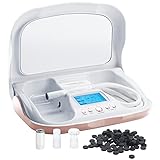
| Trophy Skin MicrodermMD | 3 levels + Auto mode (pulsed suction) | 2 diamond tips (fine + coarse) + pore extraction tip + infusion tip | Corded + rechargeable base, ~100 min battery life | ~210g wand / 680g base unit | Washable diamond tips, replaceable foam filters (pack of 30) |
| Kendal Professional Diamond Microdermabrasion HB-SF01 (Home Unit) | Dial-adjustable, ~0-~68 cmHg continuous | 3 diamond wands (different diameters: ~6mm, 9mm, 15mm) + 3 glass wands + steel tips | Corded, continuous operation ~30 min before cool-down | ~1.4kg tabletop unit + ~90g wand | Reusable steel/diamond tips, cotton + paper filters |
| Generic Crystal Home System (e.g., New Spa / Yofuly type) | 2 flow levels + vacuum dial | 1 nozzle set | Corded | ~1.1kg unit | Aluminum oxide crystals 100-120g bottle, filters every 5-8 uses |
Current market ranges in 2026: compact cordless diamond-tip devices typically $70-$150, multi-tip systems with auto modes $150-$250, and tabletop professional-inspired units $180-$320. Crystal refills generally add $15-$30 per 100g bottle.
Decision Matrix: Which System Matches Your Situation
| Your Situation | Best Fit | Why |
|---|---|---|
| First-time user, sensitive or dry skin, infrequent use (1-2x per month) | Low-suction cordless diamond-tip with very fine disc (e.g., PMD Classic / Elite Pro on low) | Lowest learning curve, least risk of over-exfoliation, minimal cleaning |
| Normal to oily skin, weekly maintenance, want fastest full-face treatment | Trophy Skin MicrodermMD or similar 3-level Auto system | Higher suction and larger tip cover face in 5-7 minutes; Auto pulse reduces streaking |
| Want facial + body exfoliation (arms, legs, rough patches) | Tabletop system like Kendal HB-SF01 | Stronger continuous suction and large-diameter body wands; corded power for longer sessions |
| Prefer no reusable abrasive tip to sanitize, okay with consumables | Crystal system | Fresh crystals each time ensure consistent grit, but requires crystal storage and filter changes |
| Limited storage / travel use | Cordless handle-only device | No base unit or crystal bottles; entire kit fits in a pouch |
Worked Calculation: Cost Per Use Over Two Years
Upfront price is misleading without consumables. Here is a realistic ownership cost for weekly use (52 uses per year):
Example A: Disposable-disc diamond device — Device $129 + discs $22 per pack of 8. Each disc lasts ~4 uses. You need 13 discs per year (52 / 4). That is 1.6 packs, round to 2 packs = $44/year. Over 2 years: $129 + $88 = $217. Cost per use = $217 / 104 = ~$2.09 per use.
Example B: Washable-tip diamond device — Device $199 + filters $15 per 30-pack. Filters last ~5 uses. You need ~11 filters per year. One pack covers almost 3 years. Over 2 years: $199 + $15 = $214. Cost per use = $214 / 104 = ~$2.06 per use, plus occasional tip replacement ($25-$40) after ~18-24 months if grit dulls.
Example C: Crystal system — Device $189 + crystals $20 per 100g bottle (~8-10 full-face uses per bottle) + filters $12 per 10-pack (one per ~6 uses). For 52 uses you need ~6 bottles ($120) + ~9 filters ($18). Year one = $327. Year two consumables alone = $138. Two-year total $465 / 104 = ~$4.47 per use.
Washable diamond tips are cheapest long-term if you will clean them properly; disposable discs and crystals cost more but remove the cleaning variable.
Durability and Ownership Realities
What wears first is not the motor but the suction path. Foam filters clog, O-rings on tip caps stretch, and suction tubing develops micro-cracks that leak vacuum. Loss of suction is the most common complaint after 6-12 months and is almost always a filter or seal issue, not motor failure.
Common mistakes that shorten life:
- Using on damp skin or with creams still on the face. Moisture pulls into the filter and clogs it. Skin should be clean, fully dry, and product-free before treatment.
- Not cleaning diamond tips immediately after use. Skin oils harden in the grit if left to dry.
- Pressing hard instead of letting suction do the work. Pressure flattens the seal and creates red streaks without improving exfoliation.
- Running crystal systems without checking the return filter. Crystals bypass a full filter and abrade the internal vacuum valve.
Maintenance that keeps suction consistent: wash or replace foam filters as directed, wipe the inside of the suction port with a dry cotton swab after each session, store caps with tips up to keep grit from being compressed, and replace diamond discs/caps when you notice you need higher suction to get the same effect — that means the abrasive has dulled.
Setup and Safe Use Steps
This is general information, not medical advice. Avoid microdermabrasion if you have open cuts, sunburn, active breakouts, or have had a professional peel or laser treatment in the past 14 days. If you use prescription retinoids, AHAs, or have a diagnosed skin condition, ask your clinician first.
- Cleanse and pat dry. Pull hair back and work in front of a mirror with good light.
- Install the finest tip/disc first. Start on the lowest suction on your jawline as a test patch with one slow glide. Check for excessive redness after 2 minutes.
- Hold skin taut with the free hand. Glide, do not hover. Make single, 2-3 second passes per area. Do not go over the same spot more than twice in one session.
- Avoid the immediate eye area, lips, and any raised moles.
- Limit first sessions to ~3-5 minutes total. Increase to 6-8 minutes only if skin tolerates it and the device allows.
- Rinse, apply a simple fragrance-free moisturizer and sunscreen. Mild pinkness for an hour is common; prolonged redness, burning, or bruising means suction was too high or passes were too many.
Frequently Asked Questions
How often should you use an at-home microdermabrasion kit?
Most manufacturers recommend once per week for normal skin and every 2-3 weeks for sensitive skin, with at least 7 days between sessions. More frequent use does not improve results and increases irritation risk.
Do diamond tips need to be replaced?
Yes. Washable steel and bonded-diamond tips gradually lose grit with use and cleaning. Expect 12-24 months of weekly use before exfoliation feels weaker. Disposable discs are replaced every 3-4 uses by design.
Is stronger suction better?
Not necessarily. Higher vacuum improves pickup on oily or thick skin but increases risk of broken capillaries and bruising on thin or sensitive areas. Usable control range matters more than maximum suction.
Can microdermabrasion replace professional treatments?
At-home devices work at a much shallower level than professional machines used in clinics. They are designed for maintenance of texture and brightness between professional visits, not for deep scarring or significant hyperpigmentation. For those concerns, see a dermatologist.