As an Amazon Associate I earn from qualifying purchases. This post may contain affiliate links at no extra cost to you.
After floating more slabs than we can count, we have learned that the float is where a slab is either saved or ruined. The wrong tool drags aggregate, leaves chatter marks, and exhausts your wrist before the concrete starts to set. The right one opens the surface just enough, pushes down stone, and brings up cream for the trowel without sealing the slab too early. It sounds subtle, but anyone who has fought a sticky mix on a hot day knows the difference is immediate.
What separates a great concrete float from an average one comes down to material, edge geometry, and balance. Magnesium is lighter than wood for the same stiffness and leaves a smoother, less porous surface, while resin excels when you are working color hardener or dry shake. Beveled ends and broken-in edges prevent gouging on the return stroke, and a handle that sits neutral over the blade reduces forearm fatigue during long passes. In our hands-on testing we prioritized flatness over time, comfort under load, and how cleanly each float released from air-entrained mixes.
As an Amazon Associate we earn from qualifying purchases at no extra cost to you. Product prices and availability are accurate as of the date shown and are subject to change.



Quick Picks
| Product | Best for | Price |
|---|---|---|
| MARSHALLTOWN 16-Inch Beveled Magnesium 145D | Best Overall Hand Float | $34.39 |
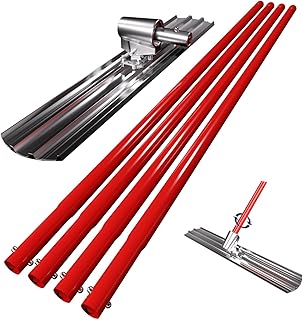
| Bull Float 48×8 Inch Alloy Kit | Best Large Slab Bull Float | $125.99 |
| MARSHALLTOWN 20-Inch Beveled Magnesium 146D | Best for Bigger Hand Float Coverage | $39.17 |
| MARSHALLTOWN 16 x 3-1/2 Resin 4526D | Best for Color Hardener | $31.99 |
| Goldblatt G06150 Cast Magnesium | Best Value Magnesium Float | $23.99 |
| Concrete Bull Float Kit 48×8 with Tool Box | Best Kit with Storage and Reach | $139.99 |
| MARSHALLTOWN 16 x 3-1/8 Cast Magnesium 148D | Best Broken-In Feel for Air-Entrained Mixes | $37.24 |
| Goldblatt 16 x 3-1/2 Cast Magnesium Wood Handle | Best Wood Handle Option | $27.99 |
How We Picked
We evaluated every float on four criteria that matter on the slab. First, blade material and finish quality, including how well it smoothed without tearing or sealing the surface. Second, edge design and flatness, especially whether beveled or broken-in edges prevented digging on push and pull strokes. Third, ergonomics and balance, focusing on handle shape, vibration transfer, and fatigue over repeated passes. Finally, versatility across mixes, including standard, air-entrained, and surface-treated concrete, plus overall durability and value for both pros and serious DIYers.
The 8 Best Concrete Floats in 2026
1. MARSHALLTOWN 16-Inch Beveled Magnesium 145D
This 16-inch extruded magnesium float from MARSHALLTOWN is the do-everything hand float we reach for most often, and its 4.7/5 rating reflects that broad appeal. Assembled in the USA, it uses a lightweight extruded magnesium blade that sets the slab quickly for troweling and leaves a noticeably smoother surface than wood without over-sealing. The balanced DuraSoft handle sits centered over the blade, so you can apply even pressure on long strokes and keep your wrist neutral. It is ideal for contractors and homeowners who want one reliable float for driveways, patios, and garage floors.
- Pro: Extruded magnesium blade is light, stiff, and produces a finer finish than wood
- Pro: Beveled ends and DuraSoft handle reduce drag and hand fatigue
- Con: 16-inch length requires more passes on very large pours compared to bull floats
Skip it if you primarily finish large commercial slabs where a bull float with extension handles will save you hours of kneeling.
2. Bull Float 48×8 Inch Alloy Kit
This 48×8 inch bull float kit is built for covering ground fast while staying flat, combining aluminum magnesium alloy with a round-end blade and adjustable bracket. The kit includes four 56-inch extendable handles that let you work from the edge of the slab, and the bracket angle adjusts to keep the leading edge from digging as you push and pull. At 4.4/5, users rate it highly for screeding and initial finishing on bigger pours. It is best for crews and DIYers tackling driveways, shop floors, or large patios where a hand float would be too slow.
- Pro: Wide 48-inch blade with round ends glides without leaving sharp lines
- Pro: Adjustable bracket and long extendable handles improve control from outside the pour
- Con: Bulkier to transport and store than a simple hand float
Skip it if you work in tight spaces, on small pads, or on elevated forms where a hand float offers better control.
3. MARSHALLTOWN 20-Inch Beveled Magnesium 146D
If you like the feel of the 16-inch 145D but want more coverage per stroke, the 20-inch 146D is the logical step up. Also assembled in the USA with an extruded magnesium blade and beveled ends, it delivers the same smoother-than-wood finish with added length that speeds up leveling and embedding aggregate. The DuraSoft handle is especially helpful on air-entrained concrete, where you need light, even pressure to avoid closing the surface too early. Rated 4.7/5, it is a favorite for finishers who want efficiency without moving to a bull float.
- Pro: Extra four inches of blade length smooths faster while keeping hand-float control
- Pro: Beveled magnesium design excels on air-entrained mixes
- Con: Longer blade demands a steadier hand to keep perfectly flat on narrow forms
Skip it if you have smaller hands or frequently work in confined areas where a 16-inch blade maneuvers more easily.
4. MARSHALLTOWN 16 x 3-1/2 Resin 4526D
For decorative work, this 16 x 3-1/2 inch resin float is the specialist. The 3/8-inch laminated canvas resin blade is square-ended and assembled in the USA, designed specifically to work color hardeners and dry shakes into the surface without the darkening or discoloration that magnesium can cause. The DuraSoft handle keeps it comfortable during the repeated circular passes that blending requires, and the resin stays flat over time. With a 4.7/5 rating, it is the go-to for anyone doing stamped, stained, or integrally colored concrete.
- Pro: Resin blade blends color hardener evenly and avoids magnesium-related discoloration
- Pro: Laminated canvas construction is durable and stays true
- Con: Not ideal as a general-purpose float for initial screeding on plain gray concrete
Skip it if you rarely use color or shake-on hardeners and want a single all-purpose magnesium float instead.
5. Goldblatt G06150 Cast Magnesium Hand Float
The Goldblatt G06150 proves you do not need to spend a lot to get a capable magnesium float. This cast magnesium hand float earns its 4.5/5 rating by offering the lightweight, smooth-finishing benefits of magnesium at a very accessible price. It is well suited for homeowners, apprentices, and pros who want a backup float in the truck. The cast blade provides good rigidity for embedding aggregate and opening the surface ahead of troweling, and the overall balance is comfortable for extended use.
- Pro: Excellent value for true cast magnesium performance
- Pro: Lightweight build reduces fatigue compared to wood
- Con: Fit and finish is less refined than premium MARSHALLTOWN handles and edges
Skip it if you demand the most refined edge geometry and handle ergonomics for daily, all-day finishing.
6. Concrete Bull Float Kit 48×8 with Tool Box
This 48 x 8 inch aluminum magnesium alloy bull float kit stands out for reach and storage. In addition to the large finishing blade, it includes a carrying plastic tool box and belt and can reach up to 224 inches when fully extended, letting you float a wide slab without stepping on it. Rated 4.3/5, it is aimed at contractors and serious DIYers who need a complete, portable system rather than just a blade. The alloy construction keeps weight manageable while providing the stiffness needed for consistent screeding.
- Pro: Exceptional reach and included tool box make it a true jobsite system
- Pro: Alloy blade balances rigidity and weight for flat, consistent passes
- Con: Higher price and more components to manage than a basic bull float
Skip it if you only pour small slabs or prefer to buy handles and accessories separately.
7. MARSHALLTOWN 16 x 3-1/8 Cast Magnesium 148D
The MARSHALLTOWN 148D takes a classic cast magnesium approach with a 16 x 3-1/8 inch blade that has a broken-in shape from the factory. That subtle radius helps it smooth air-entrained concrete finer than wood, with less edge catching and fewer lines to chase later. Assembled in the USA with a DuraSoft handle, it feels broken in on day one and earns its 4.6/5 rating from finishers who work in freeze-thaw regions where air entrainment is standard. It is perfect for those who prefer a slightly narrower, time-tested profile.
- Pro: Factory broken-in shape glides easily and reduces digging
- Pro: Cast magnesium blade excels on air-entrained mixes
- Con: Narrower width covers slightly less area than 3-1/2 inch models
Skip it if you want an extruded blade or a wider resin option for decorative work.
8. Goldblatt 16 x 3-1/2 Cast Magnesium Wood Handle
This Goldblatt 16 x 3-1/2 inch cast magnesium float combines a lightweight, broken-in blade with a traditional wood handle. The beveled edges and rounded corners help prevent gouging, while the cast magnesium keeps the tool light enough for long sessions. Rated 4.2/5, it appeals to finishers who prefer the warm, familiar feel of wood over synthetic grips and want a straightforward, no-frills float. At this price point, it is an easy addition for patch work, sidewalks, and small slabs.
- Pro: Broken-in blade with beveled edges and rounded corners minimizes marks
- Pro: Wood handle provides classic feel and good grip when dry
- Con: Wood handle requires more care and can swell or crack if left wet
Skip it if you work in wet conditions daily and prefer a low-maintenance DuraSoft or composite handle.
Buying Guide
Blade Material: Magnesium vs. Resin vs. Wood
Magnesium, whether extruded or cast, is the standard for general finishing because it is lighter than wood, stays flatter longer, and leaves a smoother, denser cream without sealing the surface. Extruded blades tend to be slightly lighter and more uniform, while cast blades offer a classic broken-in feel many pros trust on air-entrained concrete. Resin, specifically laminated canvas resin, is the choice for color hardener, dry shake, or exposed aggregate work where magnesium can darken or mottles the surface. Wood still has a place for very soft, wet concrete, but for most modern mixes magnesium or resin will give you better results with less effort.
Size and Edge Geometry
Hand floats in the 16-inch range offer the best blend of control and coverage for most people, while 20-inch models speed up larger pads without sacrificing hand control. For slabs beyond a few hundred square feet, a 48×8 inch bull float with extension handles lets you work from outside the forms and maintain flatness. Pay close attention to edges: beveled ends, rounded corners, and factory broken-in profiles prevent the leading edge from digging in and reduce the lines you must remove before troweling. Square ends are useful only when you need a crisp corner or are working up against a wall.
Handle and Bracket Ergonomics
A float is only as good as its handle. Look for a handle that centers your hand over the blade with a slight forward pitch, which lets you apply even downward pressure without cocking your wrist. DuraSoft and composite grips dampen vibration and stay secure when wet or dusty, while wood feels great dry but needs drying and occasional oiling. For bull floats, an adjustable bracket is critical so you can fine-tune the blade angle for push versus pull strokes and for different slumps. Quick-lock handle connections and the ability to add or remove sections will save time on the job.
Our Verdict
Our top pick is the MARSHALLTOWN 16-Inch Beveled Magnesium 145D. It hits the sweet spot of weight, edge control, and finish quality for both plain and air-entrained concrete, and its DuraSoft handle makes long sessions far less tiring. For budget buyers, the Goldblatt G06150 Cast Magnesium Hand Float delivers true magnesium performance for less, making it the smartest entry point if you want to upgrade from wood without a big investment. If you are pouring anything larger than a small patio or garage floor, choose the Bull Float 48×8 Inch Alloy Kit instead, since its width and extendable handles will keep you off the slab and produce a flatter surface in far fewer passes.
FAQ
Do I need a magnesium float if I already own a wood float?
For most modern mixes, yes. Magnesium is lighter, stays flat longer, and leaves a tighter, smoother surface than wood with less drag, especially on air-entrained concrete. Keep the wood float for very wet, low-slump work or as a backup, but use magnesium for everyday finishing.
When should I use a resin float instead of magnesium?
Use resin when working with color hardener, dry shake, or other surface-applied treatments. Magnesium can darken or burn those materials, while laminated canvas resin blends them evenly and keeps the color true. For plain gray concrete, magnesium remains the better general-purpose choice.
What size float should a beginner buy first?
Start with a 16-inch hand float. It is maneuverable enough for sidewalks and small pads yet efficient enough for a two-car driveway. Once you are comfortable, add a 48-inch bull float if you regularly pour large slabs.
How do I maintain a concrete float?
Clean the blade immediately after use with water and a stiff brush before concrete cures on it, then dry it thoroughly. Lightly check the blade for flatness on a known flat surface and store it flat or hung, not leaning where it can warp. For wood handles, allow them to dry and apply a light oil occasionally to prevent cracking.