What's inside
As an Amazon Associate I earn from qualifying purchases. This post may contain affiliate links at no extra cost to you.
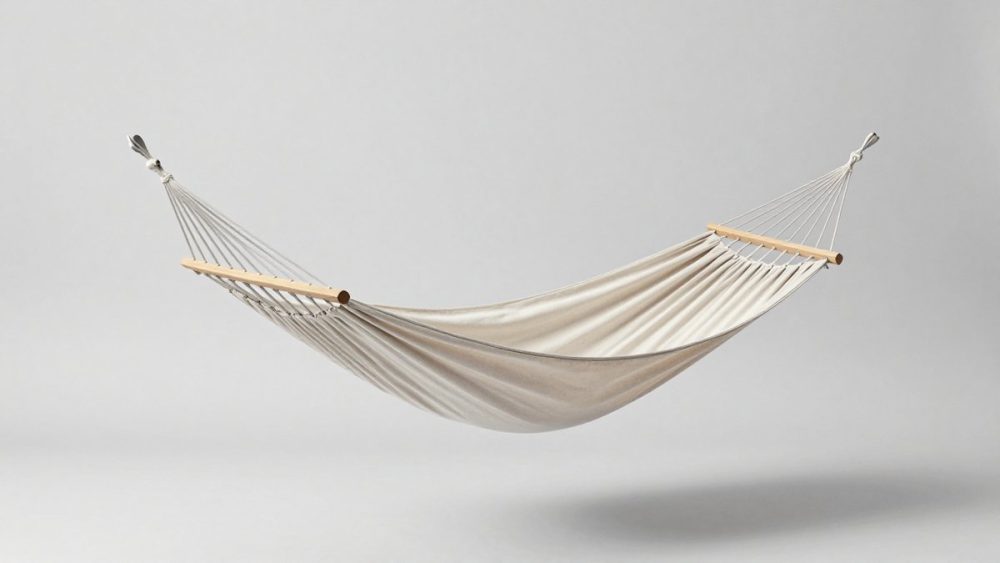
The best hammocks with stands are the ones whose fabric, stand length, weight rating, setup, and weather resistance match your yard and how often you will use them: choose a compact adjustable steel stand for small spaces, a spreader-bar hammock for easy solo lounging, or a wide Brazilian-style hammock on a long stand for the most forgiving comfort.
As an Amazon Associate we earn from qualifying purchases at no extra cost to you.


Contents
Our Top Picks
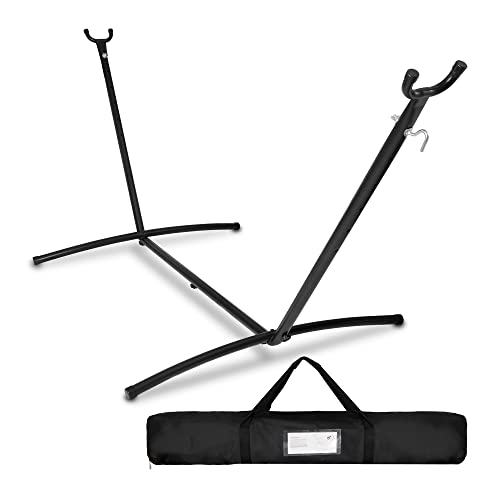
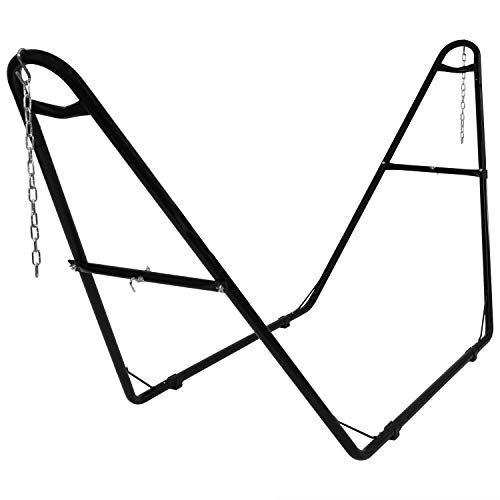 Sunnydaze Universal Heavy-Duty Hammock Stand for Outside124" x 40" x 52.5"124 x 52.5 x 40 inches33 PoundsCheck on Amazon


Best hammocks with stands by situation
- Best for a small patio: a single gathered-end hammock with a 9- to 10-foot adjustable steel stand. It normally needs about 10 by 4 feet of clear space and is easier to store than a full-size double.
- Best for couples: a double Brazilian or quilted hammock on a 12- to 14-foot stand, rated for at least 400 pounds. The extra fabric width reduces shoulder contact and makes side-by-side use more comfortable.
- Best for quick setup: a spreader-bar hammock with hook-in attachment points. It lies flat immediately, although it is less stable than a gathered-end design.
- Best for camping or frequent relocation: a lightweight gathered-end hammock and a tool-free modular stand such as the ENO Nomad-style design. Prioritize packed weight and adjustability over thick, permanently attached fabric.
- Best for rainy climates: a polyester or solution-dyed synthetic hammock with a powder-coated steel stand. Cotton is comfortable, but it absorbs water and should not be left outside between uses.
- Best value: a cotton double hammock paired with a basic 9-foot steel stand, commonly available in the roughly $100-$180 range depending on construction and included accessories.
What to match before buying
Fabric: comfort versus weather resistance
Cotton feels soft and warm against bare skin, making it appealing for relaxed backyard use. Its drawbacks are moisture absorption, slower drying, mildew risk, and gradual weakening from ultraviolet exposure. Bring it indoors after use, particularly after rain or overnight dew.
Polyester dries faster and generally tolerates sun and occasional moisture better. It is the safer choice for a hammock that may remain outdoors for several hours at a time. Solution-dyed fabric, in which the color is incorporated into the fibers, usually resists fading better than surface-dyed material.
Nylon is light and packs small, which suits portable hammocks. It can stretch noticeably under body weight and may feel less supportive in hot weather. Look for breathable woven fabric rather than a tightly coated material if comfort matters more than rain protection.
Quilted hammocks provide a flatter, more cushioned surface, but their padding can hold water. They are best when you have a covered location or are willing to remove and store them after wet weather.
Stand length and yard fit
A hammock does not need to span the entire length of its stand, but the stand must provide enough distance for a safe, relaxed sag. A useful starting point is to hang the hammock so its lowest point is approximately 12 to 18 inches above the ground when occupied. Excessively tight suspension increases end loading and can make a gathered-end hammock feel like a banana-shaped sling.
Measure the available rectangle, not just the distance between two convenient points. Include room to walk around the stand and space for the stand’s feet. A 9-foot stand may fit a small patio, while a 12- to 15-foot adjustable stand is more comfortable for double hammocks but can dominate a narrow yard.
| Hammock and stand configuration | Typical hammock length | Stand range | Typical capacity | Approximate footprint | Best use |
|---|---|---|---|---|---|
| Single gathered-end with compact steel stand | 8.5-10 ft | 9-11 ft | 250-350 lb | 10 x 4 ft | One person, patios, occasional use |
| Portable nylon hammock with modular stand | 9-10.5 ft | 9.5-14 ft | 300-400 lb | 11 x 4 ft | Moving, storage, camping-style use |
| Double Brazilian cotton with steel stand | 9.5-11.5 ft | 12-15 ft | 400-450 lb | 15 x 5 ft | Couples and spacious yards |
| Quilted spreader-bar hammock | 10-12 ft | 12-14 ft | 350-450 lb | 14 x 5 ft | Flat lounging and reading |
These are useful planning ranges rather than universal specifications. Check the combined hammock-and-stand rating, because a hammock rated for two people does not make an undersized stand safe.
Head-to-head: common hammock-and-stand designs
Gathered-end versus spreader-bar
A gathered-end hammock wraps around the body and naturally centers the user. It is usually more stable, lighter, and easier to pack. The trade-off is a less flat sleeping or reading surface, and some users need a few attempts to find a comfortable diagonal position.
A spreader-bar hammock uses wooden or metal bars to keep the fabric open. It looks tidy and is easy to enter, but the high, flat profile can tip if the user sits near one edge. It also exposes more fabric to wind. Choose it for supervised, calm-weather lounging rather than maximum stability.
Steel versus aluminum stands
Powder-coated steel offers good stiffness and value. It is usually the better choice for a stationary backyard setup, but chipped coating can expose the steel to rust. Aluminum is lighter and easier to move, though a lightweight frame may flex more and cost more for equivalent rigidity.
Look for broad feet, locking adjustment holes or secure pins, capped ends, and a finish that covers welds continuously. Plastic end caps are consumable parts: sunlight and freezing temperatures can make them brittle before the main frame fails.
A practical decision matrix
| Your situation | Recommended setup | Why | What to avoid |
|---|---|---|---|
| Under 11 ft of usable length | Single hammock, adjustable 9-11 ft stand | Leaves room for safe sag and walking clearance | Large double hammock forced onto a short frame |
| Two regular users | Double fabric, 12-15 ft stand, 400 lb or higher rating | Provides width and load margin | Using the exact maximum capacity every time |
| First-time owner | Tool-free steel stand with marked adjustment positions | Less measuring and fewer installation mistakes | Permanent knots or improvised hardware |
| Daily summer use | Polyester or UV-resistant nylon; removable cover | Better drying and color retention | Leaving cotton wet overnight |
| Occasional use and tight budget | Cotton double hammock and basic steel stand | Comfortable at a moderate market price | Paying for portability you will never use |
Setup steps that prevent the usual problems
- Measure first. Lay out the stand footprint with tape or chalk and confirm that doors, shrubs, and walkways remain clear.
- Assemble on level ground. A slight slope shifts the center of gravity. If the frame rocks before the hammock is attached, correct the surface rather than tightening the suspension.
- Start with a deep sag. Attach the hammock low enough that the occupied center stays about 12 to 18 inches above ground. A very tight installation feels unstable and increases stress on the stand.
- Check every connection. Confirm that carabiners are fully closed, hooks are seated, adjustment pins pass completely through the frame, and the fabric is not twisted.
- Load gradually. Sit in the middle first, keeping your weight centered. Do not jump into the hammock or let several people sit down simultaneously.
- Recheck after settling. Fabric stretches during the first few uses. Inspect the height, stand feet, seams, and hardware again after 10 to 15 minutes of occupied use.
Ownership realities: what wears first
The hammock fabric and suspension loops usually age before the steel frame. Inspect stitching, gathered ends, spreader-bar channels, and hanging straps for fuzzy fibers, elongation, cuts, or sun bleaching. Replace a strap or hammock at the first sign of structural damage; sewing a load-bearing loop is not a dependable repair unless performed with appropriate webbing and equipment.
Wash removable fabric according to its label, generally with mild detergent and without bleach or fabric softener. Air-dry it completely before storage. Fabric softener can reduce the performance of synthetic fibers, while machine heat can shrink cotton or damage coatings.
Wipe the frame dry after rain and inspect joints for trapped water. Touch up small coating chips with a compatible exterior metal paint after cleaning and drying the area. Do not leave a hammock attached during strong wind: an empty hammock can act like a sail and pull a light stand across a patio.
Bottom line
For most backyards, the best hammocks with stands combine a breathable synthetic or cotton fabric with an adjustable powder-coated steel frame, a capacity at least 50 pounds above the heaviest expected load, and a footprint that leaves walking clearance. Choose the shortest stand that properly supports the hammock rather than buying the largest frame available. That match matters more for comfort, safety, and service life than decorative fabric or extra adjustment positions.