
Key takeaways
- Five oils for wooden garden tool handles compared, from boiled linseed to pure tung oil, with drying times and sizes taken from Amazon listings.
What's inside
As an Amazon Associate I earn from qualifying purchases. This post may contain affiliate links at no extra cost to you.
A wooden garden tool handle fails slowly, then all at once. One season of rain, mud, and sun pulls the natural oils out of the wood, the grain opens, splinters appear, and a handle that felt solid in spring snaps under a spade load in autumn. The real decision is not which brand to buy but which kind of oil suits the wood you have and the way you work: a drying oil that hardens inside the grain, a penetrating oil built for dense hardwood, or a wax blend that leaves a soft grip.
This guide is for gardeners who keep their tools for years, for allotment holders who leave handles in damp sheds, and for anyone restoring a secondhand fork or spade. Every product below was picked from the name and specifications on its Amazon listing, with the size, finish, and stated use taken from the page itself.
Contents
Quick Picks
As an Amazon Associate we earn from qualifying purchases
| Product | Best for | Key spec from title |
|---|---|---|
| Sunnyside Corporation Boiled Linseed Oil, Quart | Refreshing a whole shed of handles | Boiled Linseed Oil, Quart |
| HOPE’S Pure Tung Oil, 16 Fl Oz | A favorite handle kept for years | Pure Tung Oil, 16 Fl Oz |
| Watco Teak Oil Wood Finish, Quart, Clear | Handles left outside in sun and rain | Teak Oil Wood Finish, Quart, Clear |
| Klean-Strip Boiled Linseed Oil, 1 Quart | A second source of boiled linseed oil | Boiled Linseed Oil, 1 Quart |
| Tried & True Original Wood Finish, Quart | Tools used around the vegetable patch | Original Wood Finish, Quart |
How to Choose
Start with a drying oil
Drying oils such as boiled linseed and tung oil cure inside the wood and harden into a protective layer. Non-drying oils, including mineral oil and cooking oils, never harden; they sit in the grain, attract dust, and wash out in the rain. For a tool handle that gets wet, muddy, and gripped hard, a drying oil is the right base. The only exception is a handle you oil purely for looks between jobs, where a wax blend such as Tried & True gives a softer feel. Check the listing: if it does not say the oil dries or cures, it will not protect a working handle.
Plan around drying time and rag safety
Every oil in this guide needs hours, not minutes, before the handle is ready. Watco dries tack free in 8 hours, Sunnyside takes 12 to 18 hours, and pure tung oil cures slowest of all, so oil your tools at the end of a gardening day rather than before one. The bigger safety point is the rag: cloths soaked in linseed or tung oil can heat up and catch fire on their own as the oil cures. Spread used rags flat outside to dry, or soak them in water in a sealed metal container, and never bunch them in a bin.
Match the oil to where the handle lives
Handles stored in a dry shed need far less protection than handles left on a porch or in an open lean-to. For outdoor storage, look for a listing that states UV and moisture resistance, as Watco does, or an indoor and outdoor sealer such as Hope’s tung oil. For tools used around the vegetable patch, a food-safe listing matters more than weatherproofing: Hope’s tung oil and Tried & True both state food contact safety. A handle that moves between the shed and the garden all week benefits most from a hard-curing oil that survives repeated wetting.
Buy the size your shed actually needs
A quart is the standard size for a reason: one can covers a whole set of handles with plenty left over, and Watco states coverage of up to 170 sq ft per quart. If you own two or three tools, a 16 fl oz bottle such as Hope’s is enough and leaves less half-used oil sitting in the shed. Small bottles also suit a first try with a new oil type, since you can test the finish on one handle before committing. Whatever the size, check the listing states the volume you expect, because similarly named products come in pints, quarts, and gallons.
The 5 Best Options
Sunnyside Corporation Boiled Linseed Oil, Quart

The classic choice for shed maintenance, and the one most gardeners start with. Sunnyside’s boiled linseed oil is a straightforward quart of drying oil that soaks into bare ash or hickory handles, darkens the grain slightly, and hardens into a protective layer that shrugs off the scuffs of a working season. It is the right pick when you have several handles to refresh at once and want one can that does the whole set. Apply it thinly, wipe off the surplus, and give it a full day before the tool goes back to work.
Specs
- Size: Quart
- Model: 87232S
- Finish: Oil, oil-based
- Item weight: 1.02 kilograms
- Listing states it penetrates and seals unfinished wood surfaces
- Listing states it protects against scratches, nicks, and watermarks
- Drying time: 12 to 18 hours
Best for: Gardeners refreshing several handles in one session.
Watch out for: Oily rags are a fire risk as the oil cures; spread them flat outside or soak them in water. Confirm it is still sold before buying.
HOPE’S Pure Tung Oil, 16 Fl Oz

Pure tung oil is the slower, harder-wearing alternative to linseed. Hope’s version is sold as a food-safe finish and sealer for indoor and outdoor projects, and the listing states it penetrates deep into wood fibers, cures, and becomes part of the wood rather than sitting on top. That makes it a strong match for a favorite handle you want to protect for years, or for tools used around the vegetable patch. The 16 fl oz bottle is small, so it suits a few handles rather than a whole shed.
Specs
- Size: 16 Fl Oz, 1 Pack
- Brand: HOPE’S
- Listing states it is a pure tung oil wood finish and sealer
- Listing states it is food safe and waterproof
- Listing states it is for indoor and outdoor projects
- Listing states it penetrates deep into wood fibers and cures
- Finish: low gloss, hand-rubbed
Best for: A favorite handle you want to protect for years.
Watch out for: The small bottle covers only a few handles, and dense hardwood may need several coats. Confirm it is still sold before buying.
Watco Teak Oil Wood Finish, Quart, Clear

Watco Teak Oil is the pick for handles that live outside in sun and rain. The listing describes a one-step finish made for dense woods such as teak, rosewood, and mahogany, with an outstanding UV and moisture resistant finish that will not chip, peel, or wear away. It dries tack free in 8 hours and covers up to 170 sq ft per quart, so one can goes a long way across handles, benches, and cold frames. Brush or wipe it on, then wipe off the excess.
Specs
- Size: Quart, 32 fluid ounces
- Model: A67141
- Coverage: 170 sq ft
- Compatible material: teak, rosewood, mahogany
- Dries tack free in 8 hours
- Item form: Liquid
- Finish: hand-rubbed
Best for: Handles stored outside or left in the rain.
Watch out for: Excess oil must be wiped off after application, and the label warns the contents are combustible. Confirm it is still sold before buying.
Klean-Strip Boiled Linseed Oil, 1 Quart
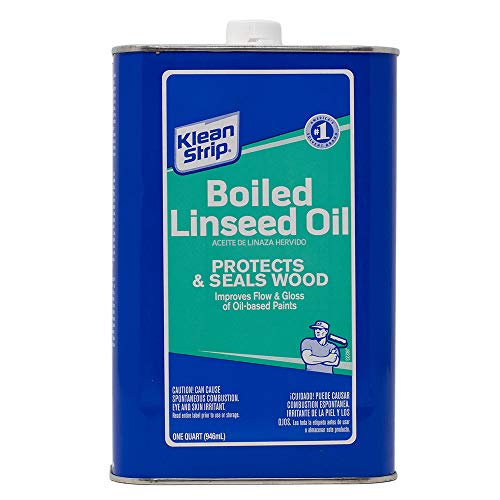
Klean-Strip’s quart is the straightforward alternative when you want the same boiled linseed oil treatment from a different maker. It is made from the seed of the flax plant and processed so it dries faster than raw linseed oil, and the listing states it protects and seals unfinished wood while producing a hand-rubbed finish on fine wood and antiques. It behaves like any boiled linseed oil on a handle: thin coats, a good wipe, and patience while it cures. Keep it in mind as a second source if your usual supplier runs short.
Specs
- Size: 1 Quart
- Model: QLO45
- Listing states it is produced from the seed of the flax plant
- Listing states it dries faster than raw linseed oil
- Listing states it protects and seals unfinished wood surfaces
- Listing states it produces a hand-rubbed finish on fine wood and antiques
Best for: Gardeners who want a second source of boiled linseed oil.
Watch out for: The listing Q&A suggests 3 coats, so plan for more than one session. Confirm it is still sold before buying.
Tried & True Original Wood Finish, Quart

The most natural-feeling finish in this list, and the easiest to live with indoors. Tried & True blends polymerized linseed oil with beeswax, cures fast without toxic drying aids or solvents, and leaves a soft-matte sheen that keeps a handle grippy rather than glossy. The listing states it is safe for indoor use and food contact, which suits handles stored in the kitchen garden shed or used around edible beds. Expect to reapply it more often on tools left outside.
Specs
- Size: Quart
- Blend of polymerized linseed oil and beeswax
- Listing states it cures fast without toxic drying aids or solvents
- Listing states it is safe for indoor use and food contact
- Finish: soft-matte sheen with grain enhancement
Best for: Handles used around edible beds and stored indoors.
Watch out for: Outdoor tools need periodic reapplication, as one coat is not a long-term exterior finish. Confirm it is still sold before buying.
Which One Fits Your Situation
Refreshing a whole shed of handles in one afternoon
Pick the Sunnyside quart. One can covers every handle in a typical shed, the oil penetrates and seals unfinished wood, and a single afternoon of wiping leaves the whole set protected for the season. Work through the tools in turn, wipe off the surplus, and leave them overnight before use.
One favorite handle you want to keep for years
Choose Hope’s pure tung oil. It penetrates deep into the fibers and cures into the wood itself, giving a hard, low-gloss finish that outlasts a quick linseed wipe. The small bottle is no drawback when only one or two handles need it, and the food-safe listing suits tools used around the vegetable patch.
Handles left outside in sun and rain
Watco Teak Oil is the fit here. Its listing states outstanding UV and moisture resistance, it is made for dense woods, and it will not chip, peel, or wear away. Wipe it on, wipe off the excess, and reapply each season when the wood starts to look dry and grey again.
Tools used around the vegetable patch
Tried & True Original Wood Finish suits handles that touch soil around edible crops. Its listing states the blend is safe for indoor use and food contact, it cures without toxic drying aids or solvents, and the beeswax leaves a soft-matte grip that stays comfortable in the hand all day.
Common Mistakes
- Oiling a dirty or damp handle: grit and moisture get sealed into the grain, so clean and dry the wood first.
- Leaving excess oil on the handle: pooled oil turns tacky and attracts dirt instead of protecting the wood.
- Bunching oily rags in a bin: linseed and tung oil rags can heat up and catch fire as they cure.
- Using cooking oil or mineral oil on a working handle: neither cures, so both wash out and leave the wood unprotected.
- Putting the tool back to work the same day: every oil here needs hours to cure before the handle is ready.
Frequently Asked Questions
How often should I oil wooden garden tool handles?
Once or twice a season is enough for most tools. Oil at the start of spring before heavy use, and again in autumn before the tools go into winter storage. If a handle looks pale, feels rough, or soaks up water instead of shedding it, it is ready for another coat regardless of the calendar.
Can I use boiled linseed oil on any wooden handle?
It works on unfinished wood, which covers most ash and hickory handles. It will not bond well over varnish, paint, or an old lacquered finish, so strip or sand those back to bare wood first. Check the listing for the exact product, since raw and boiled linseed oil dry at very different speeds.
Is tung oil better than linseed oil for tool handles?
Tung oil cures harder and resists water better, which suits a favorite handle you want to protect for years. Boiled linseed oil is easier to find in quart cans, dries faster, and covers a whole shed of handles in one session. Choose tung oil for durability on one or two tools, and linseed oil for routine care of many.
Do I need to sand the handle before oiling?
A light sanding helps if the handle is rough, splintered, or greyed from weather, since it opens the grain and lets the oil soak in evenly. A handle that is already smooth only needs a clean and a dry. Wipe off all dust before oiling, or it ends up trapped under the finish.
Related guides
More from Amazon
Programs that pair well with the guide above. Offers and eligibility are set by Amazon and may change.
A free business account with business pricing and bulk-buying tools for work, shop or home office.
Create a business accountFree shipping on eligible items, Prime Video and more. Eligible new members can start with a free trial.
Start a Prime free trialAudiobooks and podcasts to listen to on the go. Eligible new members can start with a free trial.
Try Audible freeAd-free music streaming. Eligible new subscribers can start with a free trial.
Try Music Unlimited freeAs an Amazon Associate we earn from qualifying purchases.








