What's inside
- Choose accessories by oven type
- The peel: the accessory that affects every pizza
- Infrared thermometers: measure the floor, not just the air
- Brushes, scrapers, and the cleaning tools that last
- Covers and gloves: protection during storage and handling
- A practical buying decision matrix
- Setup and maintenance routine
- Bottom line
As an Amazon Associate I earn from qualifying purchases. This post may contain affiliate links at no extra cost to you.
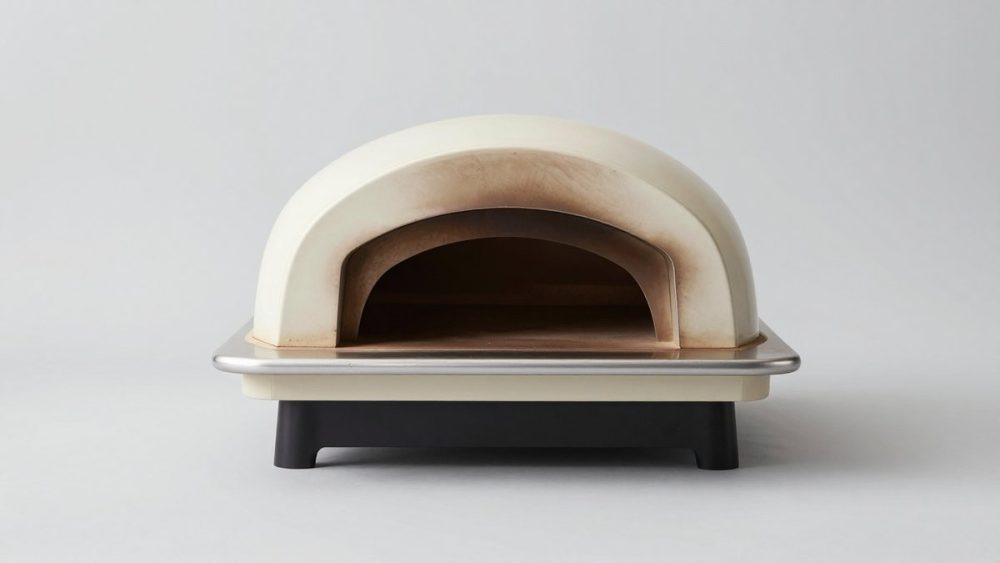
The best pizza oven accessories are a 12- to 14-inch peel matched to your oven, a compact turning peel, an infrared thermometer rated beyond 900°F (480°C), a brass or stainless-steel brush, a weatherproof cover, and heat-resistant gloves; the right combination depends on whether you use a compact gas oven, a large wood-fired oven, or an indoor countertop model.
As an Amazon Associate we earn from qualifying purchases at no extra cost to you.



Contents
- Choose accessories by oven type
- The peel: the accessory that affects every pizza
- Infrared thermometers: measure the floor, not just the air
- Brushes, scrapers, and the cleaning tools that last
- Covers and gloves: protection during storage and handling
- A practical buying decision matrix
- Setup and maintenance routine
- Bottom line
Our Top Picks


Choose accessories by oven type
| Oven type | Best peel setup | Useful thermometer range | Brush and cover priorities | Best for |
|---|---|---|---|---|
| Portable gas oven, 12–16 inches | 12-inch round launching peel; 7–8-inch turning peel | 250–1,000°F (120–540°C) | Compact brass or stainless brush; fitted rain cover | Fast weekday baking and small patios |
| Portable wood-fired oven | 14-inch perforated peel; 8–9-inch turning peel | 250–1,200°F (120–650°C) | Long-handled brush with scraper; cover that resists soot and rain | High-heat cooking and live-fire control |
| Large masonry or built-in oven | 14–16-inch launching peel; 9–12-inch turning peel | 250–1,200°F (120–650°C) | Long 60–80-inch handle; heavy-duty natural-fiber or steel brush | Several pizzas, bread, and roasting |
| Indoor electric countertop oven | 12-inch wooden or composite peel; short turning peel if clearance allows | 200–950°F (95–510°C) | Soft brass or nylon brush; dust cover rather than rain cover | Apartment kitchens and controlled baking |
Do not buy a peel based only on the oven’s advertised pizza diameter. Measure the usable baking surface, the door or opening width, and the clearance above the stone. A 14-inch peel may fit the floor but be awkward to insert through a 12-inch opening.
The peel: the accessory that affects every pizza
Launching peels
A launching peel carries the uncooked pizza from the work surface to the oven. For a 12-inch pizza, choose a blade at least 12 inches wide and usually 13–14 inches deep. The extra depth supports the rim without forcing the dough into the rear wall. A 14-inch pizza generally needs a 14- to 16-inch peel, but only if the oven opening and baking chamber permit it.
Wooden peels provide a slightly grippy surface that can help prevent a fresh dough skin from sliding prematurely. They are inexpensive and useful for launching, but they are thicker, absorb moisture, and can warp if washed or stored damp. Aluminum peels are lighter and easier to maneuver. Perforated aluminum allows excess flour to fall away, reducing burnt flour on the oven floor. A solid metal peel is more versatile for bread and roasted food, but may hold more flour beneath the dough.
For most portable gas ovens, the best compromise is a 12- or 14-inch perforated aluminum peel with a bevelled leading edge. The bevel reduces the lifting angle needed to get under the dough. Look for a handle long enough to keep your hand away from the opening—roughly 20–35 inches for portable ovens—and a locking or bolted connection that does not loosen when the peel is twisted.
Turning peels
A turning peel is smaller, usually 7–9 inches in diameter, with a short or angled blade. It is not intended to carry a raw pizza across the kitchen. Its job is to rotate a pizza during high-heat baking, lift a blistered edge to inspect the underside, and reposition the pie away from a hot spot.
A small round turning peel is easier for beginners because its edge can slip under one section of the crust. A larger 9- to 12-inch blade gives better support for delicate or heavily topped pizzas but requires more clearance. For a compact oven, prioritize a thin, rigid blade and an angled handle rather than maximum diameter.
Infrared thermometers: measure the floor, not just the air
An infrared thermometer is one of the best pizza oven accessories because the oven’s display temperature often describes the air or a sensor near the roof, while the pizza cooks on the stone or steel. Aim at the center and several points around the baking surface. A useful unit should read at least 900°F (480°C), respond in about one second, and allow emissivity adjustment or provide a pizza-oven surface setting.
| Target pizza style | Approximate floor temperature | Typical bake time | What to do if the reading is wrong |
|---|---|---|---|
| Thin Neapolitan-style pizza | 700–850°F (370–455°C) | 60–120 seconds | Below target: continue heating; above target: wait or reduce flame |
| New York-style pizza | 550–700°F (290–370°C) | 3–6 minutes | Rotate more often if the top browns before the base |
| Thick pan or focaccia-style pizza | 400–550°F (205–290°C) | 10–25 minutes | Use a lower temperature to prevent a dark base and undercooked center |
Infrared readings can be misleading on shiny metal, wet surfaces, or flour-covered stones. Point the thermometer at a clean, matte section of the stone and take multiple readings. A laser dot shows the aiming point, not the size of the measurement area. At a greater distance, that area is usually larger, so move close enough to measure the actual cooking zone safely.
Brushes, scrapers, and the cleaning tools that last
A pizza-oven brush needs to remove flour, semolina, ash, and small baked-on fragments without damaging the cooking surface. Brass bristles are gentler than stainless steel and suit most cordierite stones. Stainless-steel bristles are more aggressive and useful for masonry floors, but can scratch some surfaces. Nylon bristles are appropriate for cooler countertop ovens, not for a hot wood-fired floor unless the manufacturer specifically rates them for that temperature.
Choose a brush with a built-in scraper for stubborn deposits, but use the scraper only when the oven is warm rather than fully cold and brittle residue is difficult to remove. Avoid soaking a wooden-handled brush. Ash and flour should be brushed out after the oven has cooled, and grease should never be washed into a porous stone. Remove large debris with the brush or a dedicated ash tool instead.
The bristles usually wear before the handle or head. Replace the brush when it sheds heavily, bends flat, or leaves loose strands on the cooking surface. Inspect after every few uses, especially if the brush has stainless-steel bristles.
Covers and gloves: protection during storage and handling
Cover sizing
A cover protects burners, hinges, handles, and exterior coatings from rain, dust, pollen, and ultraviolet exposure. Measure the oven’s maximum width, depth, and height, then add approximately 2–4 inches to each dimension for ventilation and easy removal. For example, an oven measuring 28 × 18 × 12 inches needs a cover with an interior capacity of roughly 32 × 22 × 16 inches—not a tightly stretched 28 × 18 × 12-inch shell.
Choose solution-dyed polyester or another UV-resistant outdoor fabric with taped or reinforced seams. A drawcord, buckle, or hook-and-loop strap matters in windy locations. Covers should go on only after the oven is completely cool and dry; trapping heat or condensation can accelerate corrosion and mildew. A cover is not a substitute for storing removable peels and thermometers indoors.
Heat-resistant gloves
For pizza work, gloves should protect against brief contact with hot handles, doors, trays, and cast-iron cookware while preserving enough dexterity to adjust equipment. Look for an explicit temperature rating, long cuffs reaching several inches up the forearm, textured silicone or leather palms, and a lining that does not shed fibers.
Gloves rated around 500–650°F (260–345°C) are suitable for many handling tasks, but a rating does not mean unlimited contact time. Heat transfers through the material, especially when gripping metal. For moving a hot cast-iron pan or handling logs, use tools designed for that task and keep contact brief. Never rely on gloves to reach into a flame or hold a hot object while distracted.
A practical buying decision matrix
| Your situation | Buy first | Spend less on | Upgrade when |
|---|---|---|---|
| First portable gas oven, occasional use | 12-inch peel, 8-inch turner, 1,000°F thermometer | Basic cover and brass brush | The peel flexes or launches feel inconsistent |
| Weekly family pizza night | Perforated 14-inch peel, turning peel, spare brush | Decorative wood handles | You need faster recovery between pizzas |
| Wood-fired oven enthusiast | Long-handled peel, long brush, high-range thermometer, gloves | Short indoor accessories | Managing multiple heat zones or bread loads |
| Small apartment or indoor kitchen | Compact peel, thermometer, soft brush, dust cover | Long handles and oversized covers | You regularly bake more than one pizza at a time |
Setup and maintenance routine
-
Before heating, check that the peel blade is dry, the handle is tight, and the thermometer has working batteries. A loose handle is more dangerous than a slightly imperfect blade.
-
Heat the oven and measure the floor in at least three locations. This reveals hot spots and helps you choose where to launch the pizza.
-
Dust the peel lightly, not heavily. Excess flour burns onto the stone and creates bitter smoke. If dough sticks, improve dough temperature and launching technique rather than continually adding flour.
-
Use the turning peel once the crust has set. Rotate in small movements instead of forcing the blade under the entire pizza.
-
After cooling, brush away debris and inspect the brush for loose bristles. Wipe metal accessories with a dry or barely damp cloth, then dry them fully.
-
Store peels indoors and place the cover on only when the oven is cool and dry. This routine usually extends the life of the stone, brush, cover, and metal hardware more effectively than buying premium accessories alone.
Bottom line
For most owners, start with a correctly sized peel, a small turning peel, and a reliable infrared thermometer. Add a brush with the right bristle material for your oven, then choose gloves and a cover based on heat exposure and outdoor storage. The best pizza oven accessories are not necessarily the largest or most expensive; they are the ones that fit the opening, match the cooking temperature, and remain easy to clean after the novelty of the first few bakes has worn off.