
What's inside
As an Amazon Associate I earn from qualifying purchases. This post may contain affiliate links at no extra cost to you.
The best beginner woodworking projects use simple joints, inexpensive lumber and only a drill, a saw and a few clamps. A cutting board, a planter box, a simple bookshelf, a step stool, a picture frame, a tool tote and a bench are all achievable and teach skills you will use again and again.
| Pick | Best for | Key feature |
|---|---|---|
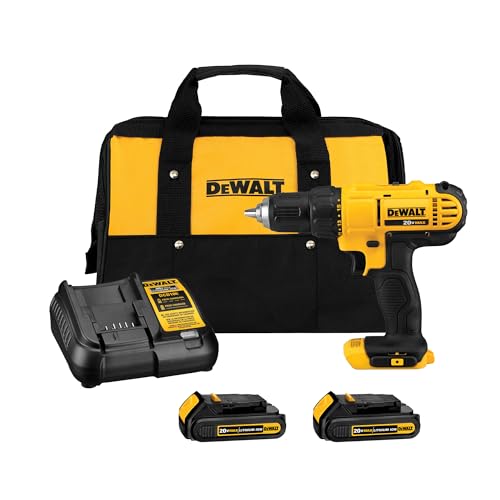
| DeWalt 20V MAX drill/driver kit DCD771C2 | Drilling and driving screws | Compact cordless drill with two batteries |
| Titebond III wood glue | Strong joints and outdoor pieces | Water-resistant formula with long open time |
| Bessey K Body REVO parallel clamps | Glue-ups and flat panels | Parallel jaws that stay square |
| Bosch JS470E jigsaw | Curves and quick cuts | Barrel grip with variable speed |
| Ryobi 6-1/2 in. orbital sander kit | Smoothing wood surfaces | Light and inexpensive |
Contents
Our Top Picks

Gear that makes projects easier
You can make most of these projects with a handful of tools. A cordless drill such as the DeWalt 20V MAX drill/driver kit drills pilot holes and drives screws. A reliable glue like Titebond III wood glue makes joints stronger, and it resists moisture for items used outdoors. For flat panels, such as cutting boards, parallel clamps like the Bessey K Body REVO parallel clamps keep boards aligned. A jigsaw such as the Bosch JS470E jigsaw handles curves and quick cuts, and a small sander like the Ryobi orbital sander smooths surfaces.
1. Cutting board
A simple edge-grain cutting board teaches glue-ups and flattening. Choose a hard, tight-grained wood such as maple, and cut strips of equal thickness. Glue them with water-resistant glue, clamp them evenly and let them cure. Scrape off squeeze-out, sand through several grits and finish with food-safe oil. Pay attention to grain direction, because uneven strips can be hard to flatten.
2. Planter box
A planter box uses butt joints and screws, so it is a good first project for outdoors. Cedar or other rot-resistant wood works well. Cut four sides and a bottom, drill pilot holes, apply a little glue and screw it together. Leave small gaps or drill holes in the bottom for drainage. Use exterior-rated screws and avoid finishes that are unsafe for edible plants if you grow food.
3. Simple bookshelf
A small bookshelf teaches squareness. Cut two sides and several shelves from pine boards. Mark shelf positions carefully, drill pilot holes and attach shelves with screws and glue. Check for square at every step, and add a back panel or diagonal brace to prevent racking. Sand edges and finish with paint or a clear coat.
4. Step stool
A step stool is a satisfying small project with real use. It uses a handful of boards, a few screws and a stable shape. Make sure the stool is sturdy: add stretchers or cleats beneath the step to prevent wobbling, and round all edges to prevent splinters. Test it carefully before use.
5. Picture frame
Frames teach mitered corners. Cut four pieces at forty-five degrees with a miter box and a hand saw, check the corners with a square and glue and clamp them. A band clamp or corner clamps help. Sand carefully, add a rabbet or use a backing board for glass.
6. Tool tote
A tote is a handy project for carrying hand tools. Cut two ends, a base and a center dowel for the handle. Join with screws and glue, round off edges and finish. It is a good chance to practice laying out shapes and cutting curves with a jigsaw.
7. Basic workbench
A workbench made from construction lumber and plywood is one of the most useful beginner projects. It teaches measuring, cutting, assembly and sturdy construction. Use screws and glue for joints, add cross-bracing and a thick top. Make it the height that suits your body, usually near the wrist when your arm hangs by your side.
How to pick your first project
Match the project to your tools
Choose something you can build with the tools you own. A cutting board needs clamps and a sander. A planter needs a saw and a drill.
Pick forgiving materials
Pine and poplar are inexpensive and easy to work. Avoid very hard or oily woods at first.
Keep the design simple
Avoid complicated joinery until you have the basics. Butt joints with screws and glue are fine for learning.
Plan before you cut
Write a cut list and sketch the design. Measure twice, cut once, and label parts as you go.
Common mistakes
- Rushing glue-ups. Have clamps and a dry fit ready before applying glue.
- Not pre-drilling. Wood can split near edges.
- Skipping sanding. Splinters and rough surfaces spoil the result.
- Using the wrong screws. Choose the right length and type.
- Ignoring safety. Wear eye and ear protection.
Finishing tips
Sand with progressively finer grits and wipe off dust before finishing. Use a water-based or oil finish suited to the project, and test it on scrap first. Apply thin coats rather than thick ones, and let each dry fully. For cutting boards and kitchenware, use a food-safe oil or wax.
A sample cut list and plan: the simple step stool
To see how a plan comes together, here is a simplified outline for a small step stool made from a single one-by-ten board and a few scraps. Always adapt dimensions to your lumber and your needs, and double-check them before cutting.
- Two side pieces, cut with a gentle curve or notch at the bottom to create feet.
- One top step, sized to overhang the sides slightly.
- One lower stretcher or brace between the sides to prevent racking.
- Screws and glue to join everything, with pilot holes drilled first.
Mark, cut, assemble
Mark all parts with a pencil and square, then cut slightly outside the line and trim to fit. Dry-fit the parts to confirm they sit square, and clamp them while you drill pilot holes. Apply glue to the joints, drive the screws, and wipe away squeeze-out with a damp cloth before it hardens. Let the glue cure before using the stool.
Finish and test
Sand the edges to a gentle round-over, and finish with a clear coat or paint. Before you trust it, test the stool on a flat floor with moderate weight, and check that nothing flexes alarmingly. Small adjustments, such as adding a brace, are easier before finishing than after.
Where to get inexpensive lumber
Home centers sell construction pine and boards of poplar or oak that suit small projects. Check each board for twist, cupping and large knots, and sight down the edge to see if it is straight. Look for pieces with consistent thickness, and store them flat in the shop for a few days before cutting so they can adjust to the humidity.
Frequently asked questions
What wood is best for beginners?
Pine, poplar and cedar are affordable and easy to cut. Maple and oak are great for items that need durability but are harder to work.
Do I need a workbench?
A sturdy surface and clamps are enough to begin. Building a bench is a good early project.
Can I build these without power tools?
Many can be done with hand tools, though a drill speeds up the process.
How do I avoid splitting wood when screwing?
Drill pilot holes, and keep screws away from board ends.
Conclusion
Easy projects teach the skills you need without overwhelming you. Start with a cutting board or planter, then move on to shelves and benches. With a drill, glue, clamps and patience, you will quickly build confidence.
As an Amazon Associate we earn from qualifying purchases.
Related guides
More from Amazon
Programs that pair well with the guide above. Offers and eligibility are set by Amazon and may change.
A free business account with business pricing and bulk-buying tools for work, shop or home office.
Create a business accountFree shipping on eligible items, Prime Video and more. Eligible new members can start with a free trial.
Start a Prime free trialAudiobooks and podcasts to listen to on the go. Eligible new members can start with a free trial.
Try Audible freeAd-free music streaming. Eligible new subscribers can start with a free trial.
Try Music Unlimited freeAs an Amazon Associate we earn from qualifying purchases.








