What's inside
As an Amazon Associate I earn from qualifying purchases. This post may contain affiliate links at no extra cost to you.
Contents
Best shop vacuum for beginners: the quick answer
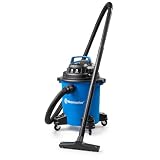
For most new woodworkers, the best shop vacuum for beginners is a compact, corded wet/dry vacuum with a 5- to 6-gallon tank, a 1¼-inch hose, and a cartridge filter that can be fitted with a collection bag. It’s easy to store and handles chips and ordinary cleanup well; for regular use with a sander or other dusty tool, choose a model with a 2½-inch hose and compatible tool adapters instead.
These are different jobs. A shop vacuum is useful for cleanup and some tool connections, but it is not automatically a substitute for a dust extractor or a shop dust-collection system. Fine sanding dust can clog filters quickly, and a small hose may restrict airflow when connected to a tool.
As an Amazon Associate we earn from qualifying purchases at no extra cost to you.


Beginner-friendly picks by situation
- Mostly sweeping up occasional messes: A 5-gallon compact wet/dry vacuum is a good starting point. It takes up little floor or shelf space and is easy to carry.
- One vacuum for cleanup and occasional tool use: Look for a 6- to 10-gallon model with a 2½-inch hose, or check that the smaller hose has readily available adapters for your tools.
- Frequent sanding or several connected tools: Consider a dust extractor or a dedicated dust collector. Prioritize fine-dust filtration, a reliable tool connection, and a collection method suited to the amount of dust—not tank capacity alone.
- Very limited storage: A compact model with onboard hose and accessory storage is often easier to live with than a larger vacuum, even if the bigger unit needs emptying less often.
What the size and hose numbers mean
Tank capacity tells you how much debris the vacuum can hold, not how much suction it has. A larger tank means fewer trips to empty it, but also more weight and a bigger storage footprint. Hose diameter matters for tool connections: a 1¼-inch hose is easier to maneuver for small cleanup jobs, while a 2½-inch hose is less restrictive for moving larger chips and connecting to tools with larger ports. Adapters can help, but a step-down connection can still limit airflow.
The figures below are representative ranges for common corded shop-vacuum sizes, not specifications for a particular model. Check the manufacturer’s product page for exact dimensions, included filters, and hose fittings before buying.
| Vacuum size | Typical tank capacity | Common hose diameter | Approx. empty weight | Storage and best use |
|---|---|---|---|---|
| Compact | 2–5 gallons | 1¼–1⅞ in. | About 8–15 lb | Small shelf or closet; quick cleanup and light-duty use |
| Mid-size | 6–10 gallons | 1¼–2½ in. | About 12–22 lb | More room for debris; general shop cleanup and occasional tool connections |
| Large | 12–16 gallons | Usually 2½ in. | About 20–30 lb | More storage and capacity; bulkier to move, suited to heavier cleanup |
How to choose a beginner model
For occasional cleanup: favor compact storage and simple emptying
If you expect to vacuum sawdust from a bench, pick up shavings, or clean a vehicle now and then, a compact unit is usually enough. Check whether its hose and cord stow on the body, and whether the lid can be removed without awkward latches. These small practical details affect how likely you are to use it—and how easily you can put it away.
For tool dust: check the connection and filtration first
Before buying, measure the dust port on the tool you use most. Port sizes vary, so a vacuum described as “tool compatible” may still need an adapter. Also look for an accessory or adapter system that can keep the hose secure; a loose connection can pull free as you move the tool. A vacuum’s advertised peak horsepower does not tell you how well it will collect fine dust at a tool port.
For regular sanding, use a filter rated for fine dust and a collection bag designed for the vacuum. Bags can reduce the dust released when emptying and help protect the cartridge filter from clogging, though they add a recurring cost. Follow the manual’s guidance for the exact filter and bag combination.
For noise-sensitive work: plan around operating noise
Shop vacuums are often loud enough to interrupt conversation. Some manufacturers publish a decibel figure, but comparisons are meaningful only when measured under similar conditions. If noise matters in a shared home or small garage, check the published rating and consider a quieter dust extractor or a remote switch that lets you start the vacuum without walking back to it. Hearing protection is sensible during extended use.
Filter, bag, and upkeep: what ownership involves
Dry pickup generally requires a dry-use filter; wet pickup may require removing or changing the filter, depending on the model. Never assume a dry cartridge can remain installed during wet use—check the manual. If the vacuum has a float shutoff, learn where it is and keep it clear so it can stop suction when the tank is full of liquid.
Fine woodworking dust is hard on filters. When suction drops, first check for a full bag or tank, a blocked hose, and a clogged filter. Clean or replace the filter only as its manufacturer directs; blowing fine dust out with compressed air can send it into the room. Emptying outside and using a bag where compatible can make cleanup less messy.
Common wear points are the hose ends, latches, wheels, and filter. Avoid dragging the vacuum by its hose, forcing a hose onto an oversized port, or running it with a full container. Before purchasing, check whether replacement filters, bags, and compatible adapters are available. A modestly priced vacuum can become inconvenient if its consumables are difficult to find.
A simple setup for a first shop
- Match the hose to the tool. Measure the tool port and buy an adapter that fits both ends snugly.
- Choose the right collection setup. Use the specified dry filter and, when appropriate, a compatible bag for fine dust.
- Test before making dust. Turn on the tool and vacuum, then check that the hose stays connected and does not restrict the tool’s movement.
- Inspect after each dusty session. Check the bag, filter, hose, and tool port before assuming the motor has lost power.
If a sander produces dust faster than a shop vacuum can collect it, or the filter clogs repeatedly, that’s a sign to upgrade the dust-collection setup rather than simply buying a larger tank. For a beginner, the best choice is the smallest vacuum that suits the cleanup you actually do—plus the right filtration and connections for any tool you plan to use.