
What's inside
As an Amazon Associate I earn from qualifying purchases. This post may contain affiliate links at no extra cost to you.
A beginner woodworker needs a small set of accurate measuring tools, a few clamps, a saw, a set of chisels and a way to drive screws. Start with the tools below, build a few simple projects, and let your needs guide later purchases rather than buying a huge kit all at once.
| Pick | Best for | Key feature |
|---|---|---|
| Stanley FatMax 25 ft tape measure | Everyday measuring | Wide, rigid blade with a standout |
| Swanson Speed Square | Marking and checking angles | Rugged aluminum with clear markings |
| Irwin Quick-Grip clamps | Holding work quickly | One-handed operation |
| Irwin Marples chisel set | Basic chiseling and cleanup | Durable blades with striking caps |
| Irwin Pull Saw | Clean crosscuts and trim | Thin Japanese-style blade cutting on the pull stroke |
Contents
Our Top Picks
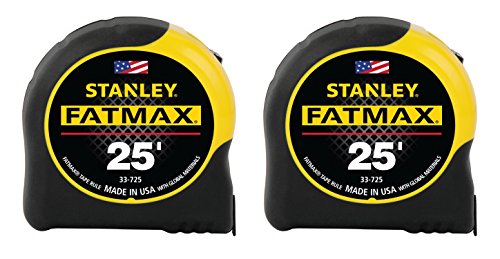 Stanley FMHT74038A FatMax 25 Foot Tape Measure 2PK7.6 m5.13 x 3.38 x 3.63 inches1.2 PoundsCheck on Amazon
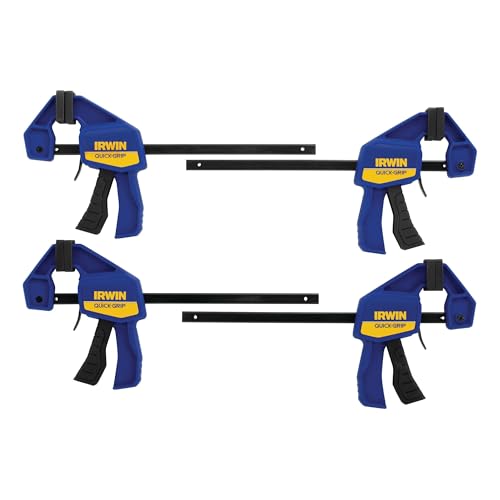 IRWIN Quick-Grip 1964758 One-Handed Mini Bar Clamp 44 Count (Pack of 1)21 x 8 x 2.5 Inches1 poundsCheck on Amazon


The mindset: buy less, buy better
New woodworkers often start with a large, cheap tool set that looks like a bargain. Many sets contain poor-quality tools that frustrate the user and need replacing. A better approach is to buy a few reliable tools and add as you go. Focus on tools that help you work accurately, because accuracy matters more than speed when you are learning.
Measuring and marking
A good tape measure
A tape you can trust is the foundation of every project. The Stanley FatMax 25 ft tape measure has a wide blade that stays rigid when extended, making it easy to use alone. Check your tape against another tape occasionally, because hook slop and manufacturing tolerances vary.
A speed square
The Swanson Speed Square marks square lines across boards and angles for cuts. It is compact, inexpensive and useful for checking that edges are square. A combination square is another worthwhile addition later.
A pencil and a marking knife
A sharp pencil works for rough marks, and a marking knife leaves a fine line for precision. A knife line gives your saw something to follow.
Clamping
You can never have too many clamps, and beginners often underbuy. They hold boards for gluing, sawing and assembly. One-handed bar clamps like the Irwin Quick-Grip clamps are fast and convenient, and they let you hold a workpiece while using the other hand for something else. They do not generate as much pressure as heavy bar or pipe clamps, so use them with care on large glue-ups. Start with four to six in different lengths.
Cutting
A hand saw
Hand saws are quiet, safe and teach you how wood behaves. The Irwin pull saw cuts on the pull stroke with a thin blade, making clean cuts easier to achieve. Pull saws are ideal for trimming, crosscutting and joinery. The blade is delicate compared with a traditional saw, so avoid twisting it.
Power tools to consider
A cordless drill/driver and a circular saw or jigsaw cover much of what beginners need. You can add a table saw or miter saw later, once you know what you build most often.
Chiseling and shaping
Chisels trim joints, clean corners and fit parts. A basic set like the Irwin Marples chisel set is a practical start, with durable blades that tolerate beginner mistakes and handles designed to be struck with a mallet. Learn to sharpen them early, since a sharp chisel is safer than a dull one. A block plane is a good next addition.
A starter shopping order
- Tape measure, speed square, pencil and marking knife.
- A few clamps and a pair of safety glasses.
- A pull saw and a cordless drill/driver.
- Chisels and a sharpening setup.
- A block plane, sanding block and quality wood glue.
- A workbench or sturdy table, and a way to hold boards in place.
Safety gear comes first
Eye protection, hearing protection and a dust mask are inexpensive compared with the cost of an injury. Wear safety glasses whenever you cut, drill or sand. Use hearing protection around loud tools, and a dust mask or respirator when sanding. Keep your workspace tidy, and unplug tools before changing blades or bits.
Common mistakes
- Buying a giant tool set. You will use only a fraction of it.
- Ignoring sharpening. Dull tools are harder and less safe to use.
- Skimping on clamps. Poor clamping leads to poor glue joints.
- Working without a plan. Simple plans help you learn the right tools.
- Skipping safety gear. Protect your eyes, ears and lungs.
- Buying expensive tools too early. Learn what you need first.
Where to practice
A sturdy workbench is better than a wobbly table. If you cannot afford a bench, build a simple one from construction lumber. It is a perfect first project, and it teaches measuring, cutting and assembly. Practice basic cuts and joints on scrap pine before moving to hardwoods. Keep a small notebook of lessons learned, such as how tight a joint should be or how deep a screw needs to sit.
What to skip for now
Every beginner is tempted by specialty tools. Most of them are better left until you hit a limitation that they solve. Resist the urge to buy a router table, a bandsaw or a lathe in the first months. Do not purchase a large collection of router bits you may never use, or a huge set of clamps in odd sizes. Specialty jigs and gadgets also tend to gather dust.
Look for a limitation first
The best reason to buy a new tool is that a specific task is slow, inaccurate or unsafe without it. If you find yourself struggling to cut a straight line on long boards, a track saw or a circular saw guide might be the right answer. If you keep having to trim parts to perfect fit, a block plane makes sense. Let projects tell you what you need.
Quality over quantity
When you do add tools, choose reputable brands and read recent reviews. A few reliable pieces will outlast a drawer of throwaways. Buying used from a trusted seller can be smart for solid hand tools such as planes and chisels, as long as you inspect them for damage.
Budgeting sensibly
A basic starter kit can be assembled gradually. Set aside a modest amount for your first project, and use your remaining budget for safety gear and lumber. If you are building a workbench first, you will learn what you need as you go. Keep notes about what slows you down, and add tools in that order.
Organizing your tools
A simple wall rack, tote or toolbox keeps tools within reach and protected. Return each tool to its place when you finish, and keep cutting edges covered. A tidy workspace is safer and faster to work in, and it is easier to notice when something goes missing.
Frequently asked questions
What is the most important beginner tool?
A reliable measuring tool and sharp, accurate cutting tools. Without accuracy, everything else suffers.
Do I need a table saw to start?
No. Many projects can be built with hand tools, a circular saw and a drill. A table saw is a later upgrade.
How many clamps should I buy?
Start with four to six and add more as projects demand.
Should I buy new or used tools?
Used hand tools can be a great value if you know how to inspect them. Beginners may prefer new tools for safety and simplicity.
Conclusion
Your first woodworking tools should help you measure, hold, cut and shape accurately. Start small, buy quality where it matters and learn to sharpen and maintain them. The right basics will take you a long way.
As an Amazon Associate we earn from qualifying purchases.
Related guides
More from Amazon
Programs that pair well with the guide above. Offers and eligibility are set by Amazon and may change.
A free business account with business pricing and bulk-buying tools for work, shop or home office.
Create a business accountFree shipping on eligible items, Prime Video and more. Eligible new members can start with a free trial.
Start a Prime free trialAudiobooks and podcasts to listen to on the go. Eligible new members can start with a free trial.
Try Audible freeAd-free music streaming. Eligible new subscribers can start with a free trial.
Try Music Unlimited freeAs an Amazon Associate we earn from qualifying purchases.








