
What's inside
- Contents
- Start With a Tool Audit
- Main Storage Formats
- Comparison Table
- Wood, Metal and Resin Compared
- Sizing and Layout
- Weatherproofing and Moisture Control
- Organizing Inside the Space
- Build It Yourself
- Tool Care and Seasonal Routine
- Safety Essentials
- Buyer Checklist
- Mistakes to Avoid
- Frequently Asked Questions
- Bottom Line
As an Amazon Associate I earn from qualifying purchases. This post may contain affiliate links at no extra cost to you.
The short answer: the best garden tool storage keeps tools dry, off the ground, easy to grab and out of reach of children, in a footprint that matches your yard. Small gardens usually do well with a wall-mounted rack or a slim outdoor cabinet. Larger yards benefit from a shed or a roomy lockable box that also holds hoses, fertilizer and power equipment. The most useful choice depends on how many long-handled tools you own, how much weather exposure the spot gets, and whether you need to lock up sharp or hazardous items.
This guide does not pick winners among products. It explains the main storage formats, how to size them, what to look for in wood and fittings, and how to set up a space so tools last longer. Check current specifications and assembly instructions for anything you consider, and use the checklist as a way to compare listings.
Contents
- Contents
- Start With a Tool Audit
- Main Storage Formats
- Comparison Table
- Wood, Metal and Resin Compared
- Sizing and Layout
- Weatherproofing and Moisture Control
- Organizing Inside the Space
- Build It Yourself
- Tool Care and Seasonal Routine
- Safety Essentials
- Buyer Checklist
- Mistakes to Avoid
- Frequently Asked Questions
- Bottom Line
Our Top Picks


Contents
- Start with a tool audit
- Main storage formats
- Comparison table
- Wood, metal and resin compared
- Sizing and layout
- Weatherproofing and moisture control
- Organizing inside the space
- Build it yourself
- Tool care and seasonal routine
- Safety essentials
- Buyer checklist
- Mistakes to avoid
- Frequently asked questions
- Bottom line
Start With a Tool Audit
Before comparing storage, lay out what you actually own. Spread everything on the lawn and sort it into groups: long-handled tools such as spades, rakes and hoes; hand tools like trowels and pruners; cutting gear including loppers and saws; hoses and watering gear; bagged soil and fertilizer; and powered equipment. The size of each group tells you what kind of storage you need.
Note the items that must be locked away. Sharp blades, chemicals, fuel and anything that could hurt a curious child belongs behind a latch or lock. Also decide how often you reach for each item. Everyday tools should live near the door or front of the space, while seasonal items can sit higher or deeper.
Finally, leave room to grow. Gardeners almost always collect more equipment over time, so choose storage with a little spare capacity rather than a perfect fit for today.
Main Storage Formats
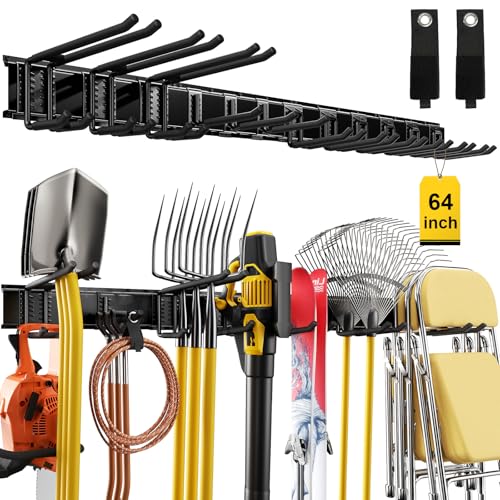
Wall-mounted racks and hooks
A rail with hooks, clips or slots holds long-handled tools against a fence, garage wall or shed interior. It uses almost no floor space and keeps heads off the ground. The weakness is exposure: unless the rack is under cover, tools remain wet in rain, so these racks suit garages and sheds better than open walls.
Tall outdoor cabinets
A narrow upright cabinet with doors protects tools from rain and hides clutter. Wooden versions blend into gardens, while others suit patios and balconies. Check that the cabinet is deep and tall enough for your longest tools, and look for an adjustable shelf or interior hooks.
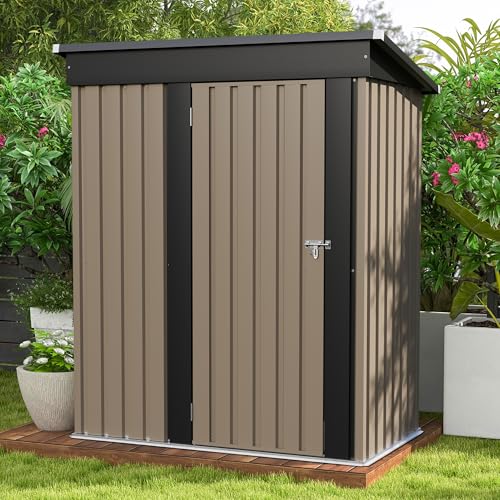
Storage sheds
A shed is the only option that can hold a mower, wheelbarrow and bulky items alongside hand tools. It also doubles as a potting area. The cost is space, preparation and often permission, since many areas have rules about the size and location of outbuildings. Check local requirements before buying.
Deck and storage boxes
A lidded bench or chest holds cushions, hoses, small tools and bags. It is not ideal for long handles but works well for patios. Look for a lid that sheds water and a base that lifts off wet ground.
Tool towers and freestanding racks
Freestanding stands hold a handful of tools upright in a small footprint. They suit a porch or shed corner but offer little protection from weather on their own.
Buckets, caddies and wall pockets
For hand tools, a sturdy caddy or a hanging pocket organizer keeps trowels, gloves and twine together. These are cheap supporting pieces to pair with a larger solution.
Many yards end up combining two formats, for example a shed for the mower and a compact rack near the vegetable beds for everyday hand tools. That arrangement saves trips across the yard and keeps the most-used items close, while the bulky gear stays out of the way. If you rent or move often, favor freestanding or wall-mounted pieces that come apart and travel with you.
Comparison Table
| Format | Best for | Weather protection | Space needed | Typical drawback |
|---|---|---|---|---|
| Wall rack | Long-handled tools in a garage or shed | None unless sheltered | Very small | Tools stay exposed outdoors |
| Tall cabinet | Small and medium yards | Good when doors seal well | Small | Limited depth for bulky items |
| Shed | Large collections, mowers | Excellent | Large | Cost, base and local rules |
| Deck box | Hoses, small tools, cushions | Good with a sloped lid | Medium | Awkward for long tools |
| Freestanding rack | A few tools in a covered spot | Little | Very small | Can tip if overloaded |
| Caddy or pockets | Hand tools and accessories | Depends on placement | Very small | Limited capacity |
Wood, Metal and Resin Compared
Wood
Wood looks natural, can be modified with extra shelves and hooks, and is easy to repair. Naturally durable species and well-treated softwood last outdoors if the finish is kept up. Look at the roof design, the floor and the joints, because water sneaks in at corners and along the bottom. Wood needs periodic sealing or staining, and the base should be raised off the soil.
Metal
Steel and aluminum are strong and resist insects. Coated steel can rust where scratches expose bare metal, and thin panels dent. Metal can heat up in the sun, so it may sweat inside during temperature swings, which makes ventilation important.
Resin and plastic
Molded resin is light, rustproof and low maintenance. It may flex under heavy loads, and lower-quality units fade or turn brittle after years of sun. Check the stated load for shelves and whether the structure is reinforced.
If you like wood but want convenience, browse wooden garden storage cabinets and compare the roof and floor construction, door seals and shelving.
Sizing and Layout
Measure your longest tool and add some margin, then measure the width needed to remove it without knocking others. Do the same for the tallest item you will store upright. For a cabinet, the interior dimensions matter more than the outside; wall thickness can steal usable room. For a shed, sketch the floor and mark where doors swing, where the wheelbarrow rests and where you will stand.
Door width is a common oversight. A mower or wheelbarrow that does not fit through the opening is useless. Also check the height of any lip at the threshold, since it affects how easily wheels roll in.
Think about where the storage will sit. Near the garden bed and a water tap saves steps, but it should not block paths, windows or drainage. Keep wooden units a short distance from walls and fences to allow airflow and to make painting possible.
Weatherproofing and Moisture Control
Moisture is the main enemy of stored tools. It rusts blades, swells wooden handles and encourages mold on bags and rope. A few habits and design features reduce the problem.
- Raise the base. Set storage on pavers, a gravel pad or a treated frame so water does not wick into the floor.
- Choose a sloped roof. Flat or sagging roofs hold water. Check that the roofing material is rated for outdoor use and overhangs the walls.
- Seal the seams. Weatherstripping around doors and a good sealant on joints keep out driven rain.
- Add ventilation. Small vents or gaps let moist air escape, which limits condensation.
- Dry tools before storing them. Wipe soil and moisture off blades and handles.
- Use moisture absorbers if needed. Silica packs or similar products help in damp climates, although they are an extra, not a fix for a leaky box.
Choose a finish designed for exterior wood, and refresh it on the schedule the product label gives. Pay attention to horizontal surfaces, end grain and the bottom edges of doors, which weather first.
Organizing Inside the Space
Storage only works if you can find and reach things. Hang long-handled tools by their handles with the working end up or down according to the rack design, so heads are not resting on the floor. Group like with like: digging tools together, cutting tools together, watering gear on one side.
Use the vertical space. Shelves along the sides hold pots, sprays and fertilizer. Hooks inside the door hold gloves and string. Small drawers or labeled bins keep seeds, twine and plant labels in one place. Keep sharp tools at hip or higher height, and keep heavy bags low to reduce lifting strain.
A pegboard or rail kit is an efficient way to start. A garden tool wall rack with adjustable hooks lets you rearrange as your collection changes, and an assortment of heavy-duty hooks can fill gaps for hoses and extension cords. Check each product’s stated load and fastener recommendations, and anchor into studs or masonry rather than just thin board.
Lighting and power deserve a thought as well. A shed with no light is hard to use in autumn evenings, so consider a battery lantern or a solar-powered light designed for outbuildings. If you add mains electricity, have a qualified electrician do the work and follow local code, since damp spaces call for suitable outdoor-rated wiring and protection.
Build It Yourself
Making your own storage is a rewarding workshop project, and it lets you tailor the size to your tools. A simple upright cabinet needs plywood or boards, a few hinges and a roof that sheds water. Others build a lean-to against a wall, which saves materials.
If you build, use exterior-rated glue and fasteners, choose lumber suited to the weather, slope the roof for runoff and leave air gaps. Plan the layout on paper first, including door swing and shelf spacing. Beginners can start with a smaller wall-mounted rack, then move to a cabinet when comfortable. Purchased plans and kits can give a tested starting point, and a protective outdoor wood stain will help your project survive its first winter.
Tool Care and Seasonal Routine
Good storage is only part of the picture. Brush off soil after use, wipe metal parts dry, and occasionally rub a light coat of oil onto blades. Sand rough wooden handles and rub them with a little linseed-type oil if the product is suited to it, taking care with oily rags, which can heat up and are a fire risk if left in a pile.
At the end of the season, sharpen cutting tools, drain hoses, and store them coiled loosely. Empty any fuel from powered equipment according to the instructions, and take stock of what needs replacing. In spring, inspect hinges, roofing, locks and fasteners before filling the space again. A quarter hour of maintenance each season usually costs far less than replacing rusted tools and a rotted floor.
Safety Essentials
- Lock up hazards. Store pesticides, fertilizers, fuel and sharp blades where children and pets cannot reach them, preferably in a locked cabinet.
- Keep chemicals in original containers with labels intact, and follow storage instructions on each product.
- Separate fuel and ignition sources. Do not store fuel near pilot lights, heaters, batteries or electrical outlets, and keep it in approved containers.
- Anchor tall units. A top-heavy cabinet or rack can tip. Fasten it to a wall or fixed frame, especially if children play nearby.
- Mind blade guards. Cover or sheathe saws, shears and edges. Hang them out of reach and out of the path you walk.
- Lift sensibly. Store heavy bags and equipment at low or waist height, and use a trolley instead of carrying awkward loads.
- Check for pests. Wasps, spiders and rodents can lurk in dark corners, so wear gloves and look before reaching in.
- Keep paths clear. Cords, hoses and tools left on the floor cause trips.
- Follow local rules. Hazardous product storage and outbuilding placement may be regulated where you live.
Buyer Checklist
- Have you measured your longest and bulkiest items?
- Does the interior size, not just the exterior, suit them?
- Is the roof sloped and the floor raised off the ground?
- Are the doors sealed, and do they close securely with a lock option?
- Is the material one you are willing to maintain?
- Are shelves, hooks or rails adjustable, and is the weight limit listed?
- Can you anchor the unit to prevent tipping?
- Does the product include clear assembly instructions and all fasteners?
- Does your area require permits or setbacks for outbuildings?
- Is there a plan for what happens when your collection grows?
Mistakes to Avoid
- Buying too small. Collections expand, and a cramped space gets messy.
- Setting it directly on soil. Contact with damp ground rots wood and rusts metal bases.
- Forgetting ventilation. Closed, airless spaces breed mildew and rust.
- Overloading hooks and shelves. Check the rated load, and spread weight evenly.
- Hanging tools where they are a hazard. Sharp points at eye level or near paths cause injuries.
- Storing fuel and chemicals with ordinary tools. Keep them separate and secured.
- Ignoring door swing and path width. If you cannot open the door fully, the space is frustrating.
- Skipping anchor points. Tall cabinets tip unexpectedly when one door is open and loaded.
- Putting wet tools away. A quick wipe saves far more than it costs.
Frequently Asked Questions
What is the best way to store long-handled garden tools?
Hang them by the handle on a wall rack or hold them upright in a tall cabinet so heads stay off the floor. Pick a spot that is dry and sheltered, and keep them within easy reach of the door.
Do I need a shed, or is a cabinet enough?
A cabinet is often enough for small yards and hand tools. If you have a mower, wheelbarrow, bulk soil or several large tools, a shed is likely more practical. Count your equipment before deciding.
How do I stop tools from rusting in storage?
Remove soil, dry blades, apply a thin film of oil and keep the space ventilated and raised off the ground. A leaking roof or damp floor will defeat other efforts, so fix those first.
Is wooden outdoor storage worth the upkeep?
Many gardeners think so, since wood looks natural and can be customized and repaired. Plan on regular sealing or staining and an annual check of the roof, floor and joints.
Where should I place garden tool storage?
Near the beds and a water source is convenient. Keep it on level, well-drained ground, away from blocked drains and with space around it for airflow. Check local rules on outbuilding position.
How can I keep children away from garden tools and chemicals?
Use a locking cabinet or shed for sharp and hazardous items, keep keys out of reach, and store products in labeled original containers. Anchor tall units so they cannot tip.
Can I store a lawn mower in a cabinet?
Not usually. Mowers need wider, lower space, and fuel storage has special requirements. Check the equipment manual, and use a shed or garage for powered equipment.
What is a good way to organize small hand tools?
Use hanging pocket organizers, labeled bins or a small caddy inside the cabinet. Keep your most-used items at the front and put seed packets and twine in a dry, lidded container.
Bottom Line
The best garden tool storage fits what you own, keeps moisture out and keeps hazards locked away. Start with an audit, measure carefully, favor a sloped roof and a raised base, and plan how you will organize the inside. Check current specifications and manufacturer instructions before ordering, and keep to a simple seasonal routine. When you are ready to compare, outdoor storage sheds are worth browsing for larger collections.
Disclosure: As an Amazon Associate, we earn from qualifying purchases. Links marked as sponsored may earn us a commission at no extra cost to you.
Related guides
More from Amazon
Programs that pair well with the guide above. Offers and eligibility are set by Amazon and may change.
A free business account with business pricing and bulk-buying tools for work, shop or home office.
Create a business accountFree shipping on eligible items, Prime Video and more. Eligible new members can start with a free trial.
Start a Prime free trialAudiobooks and podcasts to listen to on the go. Eligible new members can start with a free trial.
Try Audible freeAd-free music streaming. Eligible new subscribers can start with a free trial.
Try Music Unlimited freeAs an Amazon Associate we earn from qualifying purchases.








