What's inside
- Contents
- Why People Feed Squirrels, and When Not To
- Main Types of Squirrel Feeder
- Comparison of Feeder Types
- Materials and Construction
- Food and Refilling
- Placement and Mounting
- Cleaning and Maintenance
- Building Your Own
- Buyer Checklist
- Mistakes to Avoid
- Safety and Wildlife Considerations
- Frequently Asked Questions
- Bottom Line
As an Amazon Associate I earn from qualifying purchases. This post may contain affiliate links at no extra cost to you.
The short answer: the best squirrel feeders are sturdy, easy to refill and easy to clean, made from weather-resistant wood or similarly durable material, and mounted so that they stay put in wind and weather. For most backyards, a lidded box feeder or a simple bench-style feeder on a post is the most practical, because both are stable and simple to wash. Jar and wheel feeders are playful, but they tend to wear out faster and can be fiddly to clean. Before you buy, check whether your area has rules or advice about feeding wildlife, because in some places it is discouraged or restricted.
This guide does not rank brands or invent specifications. It explains the main feeder types, what to look for in materials and construction, where to place a feeder, how to keep it clean, and how to avoid the problems that put people off, such as mess, pests and conflict with bird feeders. There is also a section on the safety of both people and animals, and a checklist for comparing listings.
Contents
- Contents
- Why People Feed Squirrels, and When Not To
- Main Types of Squirrel Feeder
- Comparison of Feeder Types
- Materials and Construction
- Food and Refilling
- Placement and Mounting
- Cleaning and Maintenance
- Building Your Own
- Buyer Checklist
- Mistakes to Avoid
- Safety and Wildlife Considerations
- Frequently Asked Questions
- Bottom Line
Contents
- Why people feed squirrels, and when not to
- Main types of squirrel feeder
- Comparison of feeder types
- Materials and construction
- Food and refilling
- Placement and mounting
- Cleaning and maintenance
- Building your own
- Buyer checklist
- Mistakes to avoid
- Safety and wildlife considerations
- Frequently asked questions
- Bottom line
Why People Feed Squirrels, and When Not To
Squirrels are lively, curious and easy to watch, which makes them popular with families, retirees and anyone who likes to see activity outside a window. Some people also put out a dedicated feeder to draw squirrels away from bird feeders, hoping to reduce raids on seed. That strategy works for some households and not for others, so treat it as an experiment instead of a certainty.
There are reasons to pause. Feeding any wild animal can alter its behaviour, bring large numbers together, and attract other creatures such as rats or raccoons if food is left out. In some places, local authorities, housing associations or landlords restrict or prohibit feeding wildlife. If you plan to feed, check your local rules and your lease, and consult a wildlife agency about whether it is advisable where you live.
If you decide to go ahead, choose a feeder that limits waste, keeps food dry and is simple to clean. The sections below explain how to evaluate each of those qualities.
Main Types of Squirrel Feeder
Box feeders
A box feeder is a small wooden enclosure with a hinged lid. The squirrel lifts the lid to reach the food, which keeps rain and many other animals out. These are among the most practical options: they hold a useful amount of food, they are stable and the lid helps with weather. Check that the hinge is strong, that the lid closes firmly, and that there is a way to drain or wipe out moisture.
Bench and picnic table feeders
These resemble a small table or bench with a spike or peg for corn on the cob, or a flat surface for other foods. They are charming and easy to refill, and they let squirrels sit in a natural pose. They offer less protection from rain, so they need drainage and regular cleaning. Look for a flat, smooth surface with raised edges to reduce spillage.
Jar feeders
Jar feeders use a glass or plastic jar mounted on a wooden board, with the squirrel reaching in to pull out food. They are entertaining, but the jar can fog up and the lid can rust. Plastic can crack with age and weather. Choose a model with a firm mount and a lid that cannot be easily dislodged.
Wheel and spike feeders
Wheel feeders use a rotating element, while spike feeders use a prong to hold cobs or similar items. They offer play and enrichment, but moving parts are a weak point that can jam, corrode or break. Spike feeders are simple and inexpensive, but they must be firmly mounted so the animal does not knock them over.
Hanging and bird-feeder combos
Some products are designed to hang from branches or poles, and some are advertised as both bird and squirrel feeders. These can be convenient, but they may bring birds and squirrels into competition. If you want to keep feeding stations separate, choose a dedicated squirrel feeder and place it away from your bird feeders.
Comparison of Feeder Types
| Type | Weather protection | Cleaning effort | Durability | Best suited to |
|---|---|---|---|---|
| Box feeder | Good, with a closing lid | Low to moderate | High, if well built | General backyard use |
| Bench or table | Low | Low | Moderate to high | Sheltered spots and watchful owners |
| Jar feeder | Moderate | Moderate | Moderate | Fences and posts with firm backing |
| Wheel or spike | Low | Moderate | Varies | Those who want playful features |
| Hanging combo | Varies | Moderate | Varies | Small gardens, though conflicts can occur |
If you just want a sound starting point, a wooden box feeder with a strong hinge is hard to beat. You can browse squirrel box feeders and compare each listing against the details below.
Materials and Construction
Wood type and thickness
Squirrels chew, and they will gnaw edges and corners. Thicker, solid exterior-suitable wood resists both chewing and weather far better than thin plywood or composite board. Look for tight, screwed or well-glued joints. Staples alone tend to loosen. Avoid pressure-treated timber for surfaces the animal will gnaw or touch, since chemicals are a concern.
Metal parts and edge protection
Metal trim on lid edges or entry points can slow chewing, and rust-resistant hinges and screws last longer. Cheap, thin hinges bend and fail. Metal that is sharp or poorly finished can hurt an animal or you, so check that edges are smooth and any fasteners are flush.
Finish and treatments
An exterior water-based finish applied only on outer surfaces can extend a feeder’s life. Do not coat the interior or the feeding surface, since the animal will lick and chew. Let any finish cure fully before placing the feeder outside. Unfinished hardwoods can also work if they are kept clean and dry.
Drainage and ventilation
Moisture breeds mould, and mouldy food can be harmful. Good designs include small drainage gaps or sloped floors so water does not pool, and a lid that sheds rain. Check that the floor can be wiped clean and that you can reach every corner.
Capacity and refilling
A bigger reservoir is not always better, since food can spoil. Look for a size that you can refill in small, regular amounts. An easy-open lid that you can handle one-handed saves frustration, and a stable base prevents tipping when you open it.
Food and Refilling
Different sources recommend different foods, and advice varies by region, so consult a local wildlife agency or a wildlife rehabilitation group for current guidance on what is appropriate to offer. In general, people tend to choose natural, unsalted, unflavoured foods and offer them in modest quantities, and they avoid processed human snacks, sugary items and anything salted or seasoned.
Offer small amounts so that food is eaten fresh and not left to spoil, and remove anything damp, mouldy or old. Left-over food invites rodents and insects. Think about stocking the feeder only once a day or a few times a week, rather than overfilling it, and avoid leaving it full during long absences.
Keep your supplies sealed and stored in a cool, dry, pest-proof container. A tight-lidded airtight storage bin keeps out moisture and curious animals. Always check the label or your local advice for any food you plan to offer.
Placement and Mounting
Distance from bird feeders and buildings
Place the feeder some distance from your bird feeders and from your house, so that squirrels are not drawn to the roof, attic or window ledges. Keep it away from places where droppings or leftover food will become a nuisance to you or a neighbour. Think about how far squirrels can jump, and avoid placing the feeder where a short leap leads to a roof or soffit.
Height and stability
Mount the feeder at a height that you can reach easily and see from a window, on a firm post, a fence or a tree trunk with secure fixings. A feeder that tilts or wobbles will drop its contents. Use corrosion-resistant fasteners, and consider a sturdy mounting bracket that holds the weight of the feeder and the animal.
Cover and predators
A position with some nearby cover, such as shrubs, gives squirrels a sense of safety, but too much cover can also shelter predators and make it harder for you to monitor the area. Avoid putting the feeder near busy paths and driveways, where animals could be hurt by traffic or startled by people and pets.
Cleaning and Maintenance
Regular cleaning is the most important thing you can do for the animals and for yourself. Dirty feeders spread disease and attract pests. Wear disposable gloves, remove old food and scrub the surfaces with a brush and warm, soapy water. Many wildlife sources suggest a diluted bleach solution for periodic disinfection, but follow current guidance for your area, rinse thoroughly and let the feeder dry fully before refilling.
How often you clean depends on use and weather, but a regular schedule, such as weekly checks, is sensible. Clean immediately if you see mould, droppings or damp food. Inspect for splits, rust, loose hinges and chewed edges. Replace broken parts promptly, since splintered wood or sharp metal is a hazard.
Wash your hands thoroughly after each task, and keep cleaning tools separate from those you use in the kitchen. Dispose of old food and wash water in a way that does not attract animals, and never rinse waste into a place where pets or wildlife will drink it.
Building Your Own
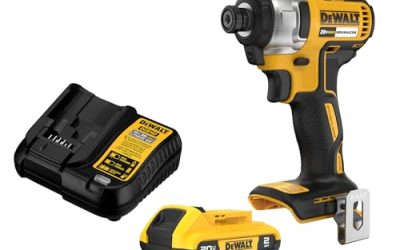
A squirrel feeder is a great starter project for anyone with basic woodworking tools. A box with a hinged lid needs only a saw, drill, sandpaper and clamps. Use thick, exterior-suitable wood, assemble with exterior screws and glue, and add a strong hinge. A good exterior hinge and screw set makes the difference between a feeder that lasts and one that sags after a season.
Sand every surface smooth, round off sharp edges, and keep the interior unfinished or finished only with something that is safe for food contact. Add small drainage gaps in the floor, and make sure the lid sheds water. Keep dimensions practical for refilling and cleaning, and follow a published plan if you want a proven design.
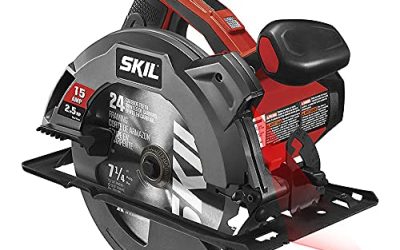
Wear eye and ear protection when cutting, use clamps to secure your work, keep your fingers clear of blades and work in a ventilated space.
Buyer Checklist
- Thick, exterior-suitable wood or durable material, with solid joints.
- A strong, corrosion-resistant hinge and a lid that closes firmly.
- A floor or surface that drains and is easy to wipe and scrub.
- Smooth edges, with no sharp metal or exposed fasteners.
- A capacity that suits small, regular refills.
- Clear mounting instructions, stated weight and sturdy hardware.
- An exterior-only, non-toxic finish.
- A planned location away from your house, bird feeders and neighbours.
- Knowledge of any local rules about feeding wildlife.
- Current manufacturer instructions and return policy reviewed before buying.
Mistakes to Avoid
- Choosing a thin, cheap feeder. Squirrels chew, and weak material is quickly destroyed.
- Overfilling. Excess food spoils, attracts pests and invites mould.
- Skipping cleaning. Dirty feeders can spread illness and attract unwanted visitors.
- Placing it too near the house. Squirrels may use the feeder as a stepping stone to roofs and attics.
- Feeding processed human snacks. Salted, sugary or seasoned food is generally not recommended.
- Ignoring local rules. Some areas restrict feeding wildlife.
- Mounting loosely. A wobbly feeder spills food and may fall.
- Hand-feeding. Close contact increases the chance of bites and scratches.
- Forgetting the neighbours. Conflict can end the whole project.
Safety and Wildlife Considerations
Squirrels are wild animals, and they can bite and scratch, particularly if they become used to people and expect food. Do not hand-feed, touch or try to pet them. Keep children and pets back from the feeder, and teach children to watch from a distance. If you or someone else is bitten or scratched, wash the wound thoroughly with soap and water and seek medical advice promptly.
Never approach a sick, injured or unusually bold animal. Signs of illness can include staggering, disorientation, visible wounds or lack of fear. Keep your distance and contact local animal control, a wildlife agency or a licensed rehabilitator. If you find an orphaned or injured animal, do not try to raise it yourself. In many places, keeping wildlife without a permit is unlawful.
Hygiene matters, too. Wear gloves when cleaning, wash your hands afterwards, and keep your feeding tools separate from your kitchen items. Droppings and old food can carry germs, so clean regularly and avoid breathing dust. If feeding begins to attract rats, raccoons or other unwanted animals, stop feeding, clean the area thoroughly and consult local advice.
For woodworking and installation, use a stable ladder, wear eye protection and gloves, and keep clear of overhead lines. A pair of disposable gloves is worth keeping near the feeder for cleaning. Always check the manufacturer’s current instructions and local wildlife rules.
Frequently Asked Questions
Is it a good idea to feed squirrels?
It depends on where you live and on your goals. Feeding can change animal behaviour and attract pests, and some places restrict it. Check local rules and wildlife agency advice before you start.
What type of squirrel feeder is the easiest to maintain?
A box feeder with a hinged lid and a smooth, drainable floor is usually easy to refill and wipe clean. Bench feeders are also simple, though they offer less weather protection.
Will a squirrel feeder keep squirrels out of my bird feeders?
Sometimes, but it is not guaranteed. Some households find that a separate feeder reduces raids, while others do not. Place it well away from bird feeders and observe what happens.
What should I put in a squirrel feeder?
Recommendations vary by region, so ask a local wildlife agency or rehabilitator. People generally choose natural, unsalted foods in small amounts and avoid processed snacks. Check any product label and keep food fresh and dry.
How often should I clean a squirrel feeder?
Check it regularly, and clean it whenever you notice mould, droppings or damp food. A weekly routine is sensible for many people. Follow current guidance on disinfectants, rinse well and dry the feeder fully before refilling.
Where should I place a squirrel feeder?
Choose a stable post, fence or tree away from your house and bird feeders, at a height you can reach, and out of the way of busy paths. Make sure squirrels cannot easily jump from it to your roof.
Can I make my own squirrel feeder?
Yes. A simple box with a hinged lid is a good beginner project. Use exterior-suitable wood and screws, smooth every edge, add drainage and keep the interior free of toxic finishes.
Is it safe for children to help?
Children can help with building and watching from a distance, but adults should handle cleaning and refilling. Teach children never to touch or feed squirrels by hand, and wash hands after any contact with the feeder.
Bottom Line
The best squirrel feeders are solid, easy to clean, well mounted and sensibly placed, and they work best when you check local rules first and feed in modest, fresh quantities. A lidded box feeder is the most practical choice for most yards, but any design is only as good as its upkeep. Keep wildlife at a safe distance, and verify current manufacturer instructions and local guidance before you buy or install. When you are ready, compare a solid wooden squirrel feeder against the checklist above.
Disclosure: As an Amazon Associate, we earn from qualifying purchases. Links marked as sponsored may earn us a commission at no extra cost to you.
Related guides
More from Amazon
Programs that pair well with the guide above. Offers and eligibility are set by Amazon and may change.
A free business account with business pricing and bulk-buying tools for work, shop or home office.
Create a business accountFree shipping on eligible items, Prime Video and more. Eligible new members can start with a free trial.
Start a Prime free trialAudiobooks and podcasts to listen to on the go. Eligible new members can start with a free trial.
Try Audible freeAd-free music streaming. Eligible new subscribers can start with a free trial.
Try Music Unlimited freeAs an Amazon Associate we earn from qualifying purchases.