What's inside
- Contents
- Why Raise the Bed on Legs
- Designs: Trough, Tiered, Table-Style and Wheeled
- Choosing the Wood
- Height, Depth and What You Plan to Grow
- Liners and Drainage
- Soil Weight and Load
- Placement: Patios, Decks and Balconies
- Building Your Own Stand
- Comparison Table
- Buyer Checklist
- Mistakes to Avoid
- Safety and Stability
- Frequently Asked Questions
- Bottom Line
As an Amazon Associate I earn from qualifying purchases. This post may contain affiliate links at no extra cost to you.
The short answer: the best raised planter stands are the ones with a frame strong enough for wet soil, a bed height that matches how you like to garden, drainage that actually works, and wood that suits the plants you are growing. For herbs and salad leaves on a patio, a compact standing bed with a liner and an open shelf underneath is often plenty. For deeper-rooted crops, look for a deeper bed and a stout frame. For balconies and decks, check weight limits first. Buy ready-made for convenience, or build to your own dimensions if you own basic workshop tools.
This guide does not rank products or quote invented specifications. It covers wood choices, heights, liners, drainage, how to estimate load, where to place a stand, how to build one and the errors that cause sagging or rot. Compare current listings and the maker’s instructions against your own space before you order.
Contents
- Contents
- Why Raise the Bed on Legs
- Designs: Trough, Tiered, Table-Style and Wheeled
- Choosing the Wood
- Height, Depth and What You Plan to Grow
- Liners and Drainage
- Soil Weight and Load
- Placement: Patios, Decks and Balconies
- Building Your Own Stand
- Comparison Table
- Buyer Checklist
- Mistakes to Avoid
- Safety and Stability
- Frequently Asked Questions
- Bottom Line
Our Top Picks


Contents
- Why raise the bed on legs
- Designs: trough, tiered, table-style and wheeled
- Choosing the wood
- Height, depth and what you plan to grow
- Liners and drainage
- Soil weight and load
- Placement: patios, decks and balconies
- Building your own stand
- Comparison table
- Buyer checklist
- Mistakes to avoid
- Safety and stability
- Frequently asked questions
- Bottom line
Why Raise the Bed on Legs
A raised planter stand lifts the growing space to a comfortable working height. That can mean less bending when you plant, water and harvest, which many gardeners value if their knees or backs complain. It also keeps plants away from some ground-level pests, gives you a garden where there is only paving, and makes a tidy feature on a patio or beside a kitchen door.
Stands do come with trade-offs. A bed on legs holds less soil than one built on the ground, so it may dry out faster in hot weather and need more frequent watering. It is also heavier than people expect once it is full and wet, and the frame must cope with that. And because it is above ground, it needs a firm, level base so it cannot rock or tilt.
Designs: Trough, Tiered, Table-Style and Wheeled
Trough and box stands
The classic format is a long rectangular box on four or more legs. It suits rows of herbs, lettuce and flowers, and it is easy to reach across. Look for a sturdy base panel or slats, plus cross-bracing between legs so the stand does not rack side to side.
Table-style stands
These resemble a small potting table with a planting well, often with a shelf beneath for tools or pots. They are neat on small patios, though a shallow well limits what you can grow, so they suit herbs, greens and shallow-rooted plants.
Tiered and ladder stands
Tiered designs stack several planters at stepped heights, which uses vertical space well and suits balconies. The upper tiers dry out faster and are lighter, so they are better for small plants. Check how the weight is shared between frames, because overloading the lowest tier may stress joints.
Wheeled or movable stands
Some stands include casters so you can chase the sun or tuck the planter away in winter. If you choose one, look for locking wheels and remember that moving a planter full of wet soil can be awkward and risky, so move it only when it is light or with help.
Choosing the Wood
Wood choice affects durability, appearance, cost and what you can safely grow in the bed. Naturally rot-resistant softwoods and some hardwoods are commonly used for outdoor planters, because they stand up to moisture better than plain, unprotected boards. Their price and weight vary, and availability depends on where you live, so check what your local suppliers actually stock.
Cheaper softwoods can still last well if they are sealed, kept off wet ground and lined on the inside so soil is not in constant contact with the boards. Dense hardwoods tend to be heavier and harder to cut, and they often need pre-drilled holes for screws. Reclaimed wood can be attractive and thrifty, but you must know what it was used for, since old paint, preservatives or contaminants may be unsuitable near edible plants.
If you plan to grow food, be careful about preservatives and finishes. Read product information about whether a treatment is intended for contact with soil that grows edibles, and when in doubt, use a liner between wood and soil. Pressure-treated or chemically treated timber is a topic where recommendations have changed over the years, so look up current guidance from a reputable gardening or agricultural source rather than relying on old advice.
Whatever the species, favor straight, sound boards with few large knots, tight joints and rust-resistant fasteners. Untreated wood will weather to a silvery color, which is fine if you accept it, while a sealed surface keeps its look but needs periodic refreshing.
Height, Depth and What You Plan to Grow
Height is about your body. Stand beside a counter or table and notice what level lets you work comfortably without stooping or reaching. A seated gardener will want a lower surface with open space beneath. Rather than copy a figure from elsewhere, measure from your own working position and compare it with each listing.
Depth is about the roots. Leafy greens, herbs and many flowers need modest soil depth, while tomatoes, peppers, root vegetables and larger shrubs generally want more. If the bed is shallow, choose compact crops and expect to water more often. If you want to grow deeper-rooted plants, look for a deeper well or consider individual large pots on a sturdy stand instead.
Width matters for reach. You should be able to tend the middle of the bed from the edge without leaning on the planter or stretching awkwardly. A very wide stand is also heavy and harder to place, while a narrow one limits planting. Match the dimensions to the plants, the space and your arms.
Liners and Drainage
A liner protects the wood from constant wet soil, which extends the life of the box. Options include landscape fabric, breathable cloth planter liners and plastic sheeting. Plastic keeps moisture in but can trap water if drainage is poor, so any plastic must be pierced to let water out. Fabric allows seepage and air flow, so it often suits crops that dislike soggy roots. Choose a liner that the maker states is suitable for plants, and staple or fasten it neatly so it does not slump into the drain holes.
Drainage is critical. Water must be able to leave the bed, or roots sit in saturated soil and rot. Look for gaps between slats, a slatted or drilled base, or drain holes you can add yourself. Place a layer of mesh over openings so soil does not wash out. If your stand sits on a deck or balcony, position a tray or leave a gap so draining water does not stain surfaces or run onto neighbors below.
Soil matters, too. A light potting mix drains better than heavy garden soil and weighs less. Avoid filling a stand with dense topsoil unless the design is clearly meant for it. A shop with a breathable planter liner or a potting mix for raised beds can help you build the right base layer.
Soil Weight and Load
The empty weight of a planter stand tells you little about its working weight. Wet soil is heavy, and the combination of soil, water, plants and the box itself can far exceed what the empty product feels like. Check the maker’s stated load limit and compare it with a realistic estimate of what you will put in, remembering that watering adds weight on top.
The frame and its joints take the strain. Look for thick enough legs, solid cross-rails and a base that spreads load evenly. A base made of a few thin slats may bow under soil, so check the spacing and thickness. Corner joints held with substantial screws or bolts tend to outlast simple nails or staples.
If you are unsure, fill the planter with less soil than the maximum, use lighter potting mix, or choose a shallower bed. There is no shame in a smaller garden that stays upright. If the manufacturer gives no capacity, treat that as a reason to look at other products.
Placement: Patios, Decks and Balconies
Place the stand where the plants will get the light they need, then check that the ground is firm and level. On a patio, a slight tilt can let water pool in one end and stress the legs. Use shims or feet adjusters if needed, and keep the stand away from step edges and doorways.
On a deck, consider the support structure and the way water will flow. Decking can be damaged by constant moisture, so use trays or spacers. Balconies call for particular caution. Check your lease, building rules and any posted load limits, and remember that a planter full of wet soil is a concentrated weight. If you have doubts about a structure’s capacity, consult the building owner or a qualified professional before loading it. Also secure tall planters so wind cannot topple them, and keep them away from railings where they could fall.
Building Your Own Stand
A raised planter stand is a satisfying weekend project. The basic components are four legs, upper and lower rails, a box or well, a base with drainage and some bracing. Cut the frame from sound lumber, assemble with exterior-suitable screws, and add a liner before filling. Pre-drill holes to prevent splitting, and sand any rough edges your hands will touch.
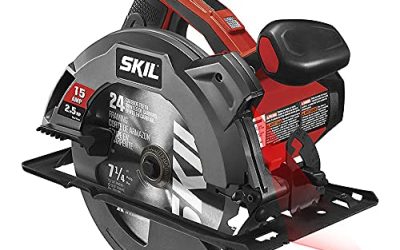
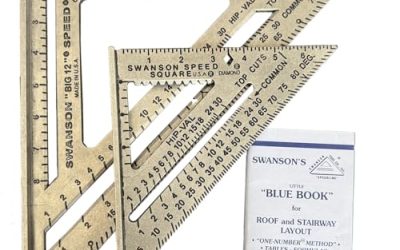
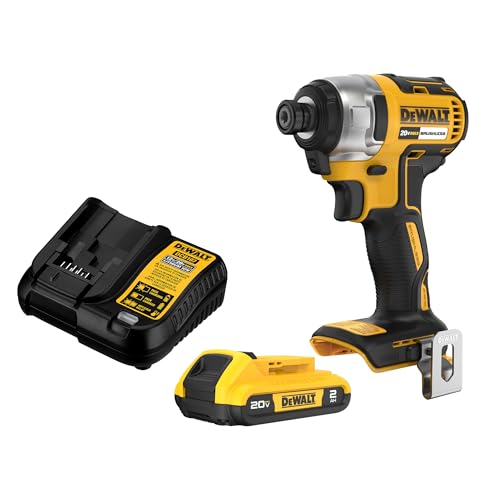
Plan around soil weight. Make the legs thick enough, add cross-bracing to resist racking and avoid long unsupported spans in the base. If you want to move the stand, add locking casters rated for the load. Tools that help include a cordless impact driver, a box of exterior wood screws and a decent speed square for accurate cuts.
If you would rather buy, browse wooden raised planter stands and compare the listed depth, load capacity, drainage and assembly instructions with your needs.
Comparison Table
| Style | Best for | Strengths | Watch for |
|---|---|---|---|
| Trough or box on legs | Herbs, greens, flowers | Easy reach, simple structure | Base strength and bracing |
| Table-style | Small patios | Tidy, includes storage shelf | Shallow planting well |
| Tiered or ladder | Balconies, small plants | Uses vertical space | Dry upper tiers, load on lower frames |
| Wheeled stand | Following the sun | Movable | Caster rating and lock quality |
| DIY custom | Odd spaces, set heights | Fits exactly | Structure and drainage are on you |
Buyer Checklist
- Does the height suit the way you will work, standing or seated?
- Is the soil depth appropriate for the plants you want to grow?
- Does the maker state a load limit that exceeds the likely weight of wet soil, water and plants?
- Is the frame braced against racking, with solid joints and fasteners?
- Are there drainage gaps or holes, and can you add mesh or a liner?
- Is the wood species and finish appropriate for outdoor use and for edible plants?
- Will the stand fit the space with room to reach and water?
- Is the base stable on your surface, with a way to level it?
- Is assembly clear, with hardware included and instructions you can follow?
- Have you checked current specifications and care guidance on the listing?
Mistakes to Avoid
Underestimating soil weight tops the list. A planter that feels solid when empty may sag or break when filled and watered. Check capacity and keep the load realistic.
Ignoring drainage is next. Without escape routes for water, roots rot and wood stays wet, so make sure holes or gaps stay open and are not blocked by liner or compacted soil.
Using the wrong wood or treatment around edibles is another. Verify the safety of any preservative, paint or reclaimed timber for food use and line the bed if you are unsure.
Choosing the wrong height leads to disappointment. A stand that is too low defeats the purpose, and one that is too high makes watering hard. Test the working height before you commit.
Placing a stand on a slope or soft ground invites tilting and cracks. Level the base and consider the ground beneath.
Forgetting seasonal checks shortens the planter’s life. Inspect screws and boards each season, reseal when needed and let wet wood dry.
Finally, avoid overfilling a balcony stand beyond what the structure can safely carry. When in doubt, go smaller and lighter.
Safety and Stability
Weight is the main hazard. A full planter is heavy to lift and can injure your back if you move it carelessly. Empty or partly empty it before moving, use a trolley or ask for help, and avoid dragging it across surfaces that may snag. Keep fingers clear of hinges, casters and gaps when moving the stand.
Check stability before and after filling. Push gently on the stand to see if it rocks, and fix any wobble with bracing, shims or feet. Anchor tall or narrow stands so wind or a bump cannot topple them. Keep stands away from railings, stairs and edges where a falling planter could hurt someone below.
When you build, wear eye and ear protection, use a dust mask when sanding, secure your workpiece with clamps and follow each tool’s manual. Wear gloves when handling rough lumber and when working with soil, and wash your hands afterward. If children or pets are around, think about what is within reach: some garden plants, fertilizers, mulches and pest treatments can be harmful if eaten, so check the labels. Choose finishes and treatments carefully and let them cure fully before planting. If you are unsure about a balcony, deck or roof load, ask a qualified professional before you fill the planter.
Frequently Asked Questions
What height is best for a raised planter stand?
The height that lets you work without stooping or reaching. Measure from your own comfortable working position, and consider a lower stand with open space beneath if you garden seated.
Can I grow vegetables in a planter stand?
Often yes, if the soil is deep enough for the crop and drainage is good. Shallow beds suit herbs and greens, while deeper-rooted crops need more room.
Which wood is best for a planter stand?
Rot-resistant woods are popular outdoors, though price and availability vary. Whatever you choose, seal sensibly, use a liner and check that any treatment is suitable near edible plants.
Do I need a liner?
A liner is not mandatory, but it protects wood from constant wet soil and can help keep untreated or uncertain timber away from your plants. Make sure it does not block drainage.
How much weight can a stand hold?
That depends on the individual product, so check the maker’s stated capacity and remember that wet soil and water add up quickly. If no capacity is listed, look elsewhere.
Can I use a planter stand on a balcony?
Possibly, but check lease terms, building rules and load limits first. Secure the stand against wind and consult a professional if you are unsure about the structure.
How do I stop the wood from rotting?
Keep it off standing water, make sure drainage works, line the interior, seal as recommended and dry out any wet spots. Inspect it each season.
Is a DIY stand cheaper than a ready-made one?
It can be, depending on materials and tools you already own, but it also costs time. Compare your own costs with current listings before you decide.
Bottom Line
Choose a raised planter stand for its frame strength, working height, drainage and wood, then place it on a level, secure base. Estimate wet soil weight honestly, line the box, and maintain it each season. Check current specifications and instructions on any listing, and favor lighter fills where structures are uncertain.
Disclosure: As an Amazon Associate, we earn from qualifying purchases. Links marked as sponsored may earn us a commission at no extra cost to you.
Related guides
More from Amazon
Programs that pair well with the guide above. Offers and eligibility are set by Amazon and may change.
A free business account with business pricing and bulk-buying tools for work, shop or home office.
Create a business accountFree shipping on eligible items, Prime Video and more. Eligible new members can start with a free trial.
Start a Prime free trialAudiobooks and podcasts to listen to on the go. Eligible new members can start with a free trial.
Try Audible freeAd-free music streaming. Eligible new subscribers can start with a free trial.
Try Music Unlimited freeAs an Amazon Associate we earn from qualifying purchases.