What's inside
As an Amazon Associate I earn from qualifying purchases. This post may contain affiliate links at no extra cost to you.
The short answer: the best rain barrel is a sturdy, opaque, lidded container with a fine mosquito screen, a working overflow, a spigot set high enough for a watering can and a solid, level stand. Wooden barrels look wonderful and suit garden settings, while plastic and flat-back models are lighter, usually cheaper to run and easier to connect to a downspout. Pick the one that matches your roof, your space and how much upkeep you want, and always check local rules on rainwater collection first.
This guide avoids ranking brands or quoting prices. It explains the main barrel types, how to size and place one, how to connect it, which accessories matter, and how to keep the water and the barrel in good condition. For a woodworking audience it also covers building a stand and a simple diverter setup. Always follow the manufacturer’s current instructions for any product you buy.
Contents
Our Top Picks
 RTS Home Accents 50-Gallon ECO Rain Barrel MadeRain Barrel24 x 19 x 34 inches18 PoundsCheck on Amazon


Contents
- Main types of rain barrel
- Sizing and placement
- Connecting to a downspout
- The stand: where woodworkers shine
- Accessories worth having
- What the water is good for
- Comparison table
- Safety notes
- Buyer checklist
- Mistakes to avoid
- Frequently asked questions
- Bottom line
Main Types of Rain Barrel
All rain barrels collect roof runoff for later use, but the container style changes how the barrel looks, how long it lasts and how it behaves in cold weather.
Wooden barrels
Traditional wooden barrels are often made from reclaimed or purpose-built staved containers held by metal hoops. They have an unmistakable garden look and can be a satisfying piece of craftsmanship. They are heavy when full, can leak if they dry out and need care to prevent rot and mould. If you are choosing a reclaimed barrel, find out what it previously held, since some residues are unsuitable for watering plants. Check that any liner or finish is intended for contact with water you will use on a garden.
Plastic barrels
Plastic barrels are widely sold and are generally lightweight and weather-resistant. Opaque colours limit light and discourage algae. Many are designed with threaded openings for spigots and overflow fittings, which simplifies setup. Some look like stone or terracotta, and some are made from recycled material. Read the product description to confirm UV resistance and cold-weather guidance.
Flat-back barrels
A flat back sits flush against a wall and saves space on narrow side yards. They are convenient where the downspout is close to the house. Since they are often wider than they are deep, check their footprint and where the downspout enters the lid.
Collapsible and bladder-style tanks
Soft-sided tanks fold down for storage and are handy for seasonal use. They are not as sturdy and often need a firm, level base and extra protection against sun and freezing. Check manufacturer guidance for how they should be placed and drained.
Linked and larger systems
Two or more barrels can be connected by a hose near the base so they fill together. This increases storage without a large single tank, though it requires careful, level placement and secure fittings. For very large volumes, consult local suppliers about tanks and applicable rules.
Sizing and Placement
Rain barrels fill faster than most people expect. A modest rainfall on even a small roof area can overflow a single barrel in a short time, which is why overflow handling matters as much as capacity.
Think about your roof and your needs
Start with how you want to use the water. A few containers and a small vegetable bed need much less than a large lawn. Estimate your roof area that drains to the downspout, and remember that a bigger roof section means faster filling. A handy rule is to match the barrel to your use and add a second one later if you find you are running dry.
Choose the spot
- Level ground. A full barrel is very heavy. It must sit on firm, level material that will not shift or sink.
- Close to the downspout. A short, direct path reduces leaks and keeps things tidy.
- Close to where you need the water. Hauling a watering can across the yard is a chore that makes people give up on the barrel.
- Away from foundations. Direct overflow away from the house and from your neighbour’s property.
- Out of constant sun. Heat encourages algae. A bit of shade helps, though not under leaf-dropping trees.
- Accessible for maintenance. Leave room to lift the lid, clean the screen and reach the spigot.
Connecting to a Downspout
How the water gets into the barrel affects mosquito control, overflow and how much runoff you actually capture.
Cut-in diverter
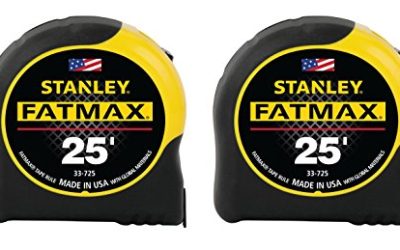
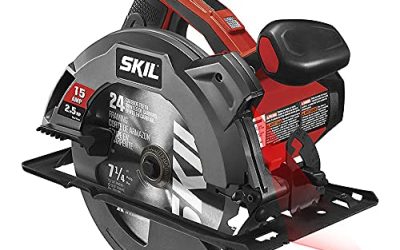
A diverter is installed in the downspout itself, usually after trimming it to the right height. It sends water to the barrel by a hose and returns the rest to the downspout when the barrel is full. This is a neat option because it keeps the barrel closed and makes overflow automatic. You need basic tools to cut the downspout cleanly, such as a hacksaw or snips and a drill, plus a tape measure and pencil. A downspout diverter kit usually includes the main parts, but read the listing to see what is included and which downspout shapes it fits.
Open-top inlet with a screen
Here the downspout empties directly into the barrel through a screened opening in the lid. It is simple, but it requires the barrel top to be below the downspout outlet. Make sure the screen is fine enough to stop mosquitoes, and keep it clean so it does not clog with debris. A separate overflow port is essential.
First-flush devices
A first-flush diverter sends the initial dirty flow of a rainfall away from the barrel, so roof dust and debris are less likely to enter. These are optional but helpful if your roof collects a lot of leaves or bird droppings. They need periodic emptying and cleaning.
Gutter guards and cleaning
Clean gutters mean cleaner water. Gutter screens or guards can reduce leaves entering the system, though they still need regular inspection. Work from a stable ladder and read the safety notes below before you climb.
The Stand: Where Woodworkers Shine
Raising a barrel on a stand lifts the spigot above the height of a watering can and gives you gravity pressure, which helps if you attach a hose. It also keeps the base off damp ground. A stand is also one of the best small projects for anyone with a workshop.
What a stand must handle
Water is heavy. A full barrel can weigh far more than most people estimate, so a stand must be built to carry a heavy, concentrated load, resist racking and sit on a level, firm base. Many commercial stands are made of metal or plastic. A wooden stand is a good project if you use sound, rot-resistant lumber, sturdy joinery and exterior fasteners.
Design points for a wooden stand
- Use thick, decay-resistant posts and a top that supports the barrel across its full base.
- Brace the legs diagonally so the stand cannot sway sideways.
- Set the legs on pavers, concrete or compacted gravel rather than directly on soil.
- Leave gaps that allow water to drain and wood to dry.
- Seal cut ends and hidden surfaces with an exterior finish before assembly.
- Check the stand for level before filling, and again after the first few rainfalls.
Useful tools include a speed square for layout, a pocket hole jig or structural exterior screws for strong joints, and a good level. If you have never designed a load-bearing stand, look at a published plan or ask someone qualified to review yours.
Accessories Worth Having
- Fine mesh screen. Keeps mosquitoes, leaves and debris out. Inspect it often, since a torn screen defeats the purpose.
- Overflow hose or port. Sends excess water safely away from the foundation. Make sure it is no smaller than the inlet if the maker’s instructions say so.
- Spigot and hose adapter. A spigot placed near the bottom gives maximum use of the water, while a higher one suits watering cans without a stand. Many people add a second outlet.
- Lockable or tight-fitting lid. Reduces the risk of children or animals getting in.
- Drain plug. Makes it easier to empty and clean the barrel, and to drain it before winter.
- Insulating wrap or shelter. In cold climates, a barrel can freeze and crack, so follow the manufacturer’s guidance on winter use.
- Hose or soaker line. A gravity-fed hose can water a bed slowly, but flow is gentle, so a pump may be needed for sprinklers or higher pressure.
What the Water Is Good For
Rainwater is often used for ornamental plants, lawn, flower beds and rinsing tools. It is typically soft and free of the chemicals found in municipal water. That said, roof runoff can pick up debris, bird droppings and materials from roofing, so treat it as non-potable.
Use with care
- Do not drink it or use it for cooking or washing food.
- Be careful using it on edible plants, especially leafy crops and anything eaten raw. Apply water to soil rather than leaves, and wash produce thoroughly, or check current guidance from a local extension service.
- Some roofing materials and treatments may not be suited to collection. Check with a local expert if you are unsure.
- Water in a barrel that has sat for a long time may smell. Use it up, clean the barrel and refresh the water.
Comparison Table
| Type | Look and weight | Best for | Watch out for |
|---|---|---|---|
| Wooden barrel | Traditional, very heavy when full | Garden character, craftspeople | Leaks if dried out; rot and upkeep |
| Plastic barrel | Lightweight, many styles | Easy setup, general use | UV and winter guidance |
| Flat-back | Slim profile, plastic | Narrow side yards | Footprint and inlet position |
| Collapsible tank | Soft sided, folds flat | Seasonal use, small spaces | Needs firm base, sun and freeze care |
| Linked barrels | Two or more connected | More storage | Leveling and secure connections |
Details vary by product, so verify current specifications and installation instructions in each listing.
Safety Notes
- Children and animals. An open barrel is a drowning risk. Use a secure lid, keep screens intact and consider locking lids where small children are present.
- Mosquitoes. Standing water breeds them. Keep the inlet screened, empty any saucers or covers that hold water and clean the barrel as needed.
- Non-potable water. Do not drink or cook with the water, and do not connect the barrel to household plumbing. Keep clear labelling on the barrel if others use the yard.
- Weight. Water is very heavy. Do not stand barrels on decks, balconies or soft ground without confirming it can carry the load. Anchor tall barrels to prevent tipping, especially in wind or around children.
- Ladders. Cleaning gutters and cutting downspouts involves ladder work. Use a stable ladder on firm ground, avoid reaching sideways and never work in wet or windy conditions.
- Tools. Wear eye protection and gloves when cutting metal downspouts, since cut edges are sharp.
- Winter. Ice can crack barrels and fittings. Drain and disconnect before freezing weather unless the product is rated for it.
- Local rules. Rules on collecting rainwater vary by region. Some places encourage it, some set limits or require specific equipment. Check local regulations and any homeowners association rules before you buy.
- Reclaimed containers. Do not reuse a container that held chemicals, fuel or anything harmful. If you cannot be certain of its history, do not use it for plants.
Buyer Checklist
- Checked local rules and homeowners association requirements.
- Estimated how much water you want to store and what you will use it for.
- Identified the downspout type and size, and the height of the outlet.
- Confirmed the barrel fits the space, including the stand.
- Verified the barrel is opaque, lidded and has a fine mosquito screen.
- Confirmed that the overflow is large enough and can be directed away from the house.
- Checked spigot position and thread type for hose adapters.
- Planned a firm, level base capable of carrying the filled weight.
- Considered winter shut-down or draining plans.
- Read the material details and any notes on UV and cold weather.
- Checked what is included, such as spigot, diverter, screen and hardware.
- Noted warranty and replacement parts availability.
Mistakes to Avoid
- Forgetting overflow. A full barrel without an overflow path can send water against the foundation.
- Building a weak stand. Undersized or poorly braced stands can fail when the barrel is full.
- Leaving the top open. Open barrels breed mosquitoes and are unsafe for children and animals.
- Choosing a see-through container. Light speeds algae growth. Opaque is better.
- Setting it on soft ground. The barrel will tilt or sink as it fills.
- Putting the spigot too low without a stand. You cannot fit a watering can underneath, which makes it frustrating to use.
- Ignoring winter. Freezing can split a barrel in a single cold snap.
- Using the water for drinking. It is not treated and should not be consumed.
- Neglecting cleaning. Debris and sludge build up. Check screens and the base regularly.
- Skipping local rules. A barrel that conflicts with an ordinance can cause avoidable trouble.
Frequently Asked Questions
How big should my rain barrel be?
Match it to what you will use the water for and the roof area feeding it. Start with one barrel and add another if you often run out.
Is it legal to collect rainwater?
In many places yes, but some areas have limits or rules. Check local regulations and homeowners association guidelines before installing.
Is rain barrel water safe for vegetable gardens?
It is commonly used on gardens, but roof runoff may carry contaminants. Apply it to the soil, avoid wetting edible leaves, wash produce thoroughly and consult local extension guidance for specifics.
How do I stop mosquitoes?
Use a fine screen over every opening, keep the lid on and fix any gaps. Clean the barrel and screen regularly.
Do I need a stand?
A stand is not required, but it improves flow and makes filling a watering can easy. Make sure it is strong, level and braced.
What do I do in winter?
Drain the barrel, disconnect the hose and divert the downspout back to normal unless the manufacturer says the product can stay in service in freezing temperatures.
Can I use a wooden whiskey or wine barrel?
Possibly, but check what it held, whether it leaks and whether any residue is unsuitable for plants. Wooden barrels also need to stay moist to remain tight and need a reliable overflow and screened lid.
How do I clean a rain barrel?
Empty it, scrub the inside with a soft brush and plain water, rinse well and clean the screen and fittings. Avoid harsh chemicals unless the manufacturer recommends them.
Bottom Line
The best rain barrel is a lidded, screened, opaque and stable one with a working overflow, installed on a level base and connected in a way that suits your downspout. Wood suits makers who value looks and craftsmanship, plastic suits people who want simple setup, and a well-built stand improves any choice. Check local rules, treat the water as non-potable and verify current specifications and instructions before you buy or install.
Ready to shop? Browse a rain barrel and compare each listing with the checklist above.
Disclosure: As an Amazon Associate, we earn from qualifying purchases. Links marked as sponsored may earn us a commission at no extra cost to you.
Related guides
More from Amazon
Programs that pair well with the guide above. Offers and eligibility are set by Amazon and may change.
A free business account with business pricing and bulk-buying tools for work, shop or home office.
Create a business accountFree shipping on eligible items, Prime Video and more. Eligible new members can start with a free trial.
Start a Prime free trialAudiobooks and podcasts to listen to on the go. Eligible new members can start with a free trial.
Try Audible freeAd-free music streaming. Eligible new subscribers can start with a free trial.
Try Music Unlimited freeAs an Amazon Associate we earn from qualifying purchases.