What's inside
As an Amazon Associate I earn from qualifying purchases. This post may contain affiliate links at no extra cost to you.
The short answer: the best wood-fired pizza oven is the one that suits your space, your patience and your appetite for tending a fire. A portable wood-burning oven is the easiest way to start, a masonry or kit-built oven is the best for people who want a permanent backyard centrepiece, and a multi-fuel model gives flexibility if you also want gas or charcoal. Whatever you pick, a safe non-combustible base, proper clearances and the right accessories matter more than any brand claim.
This guide does not rank models or quote prices or temperatures. It explains the types, how fuel and insulation affect cooking, the accessories you will actually use, how to set up safely and which mistakes to avoid. Always read the manufacturer’s current specifications and instructions before lighting a fire, and follow local burn rules.
Contents
Our Top Picks
 Mooues Pizza Peel Aluminum 12 inch Pizza Spatula12"x 14"14 x 12 x 1 inches1.55 PoundsCheck on Amazon
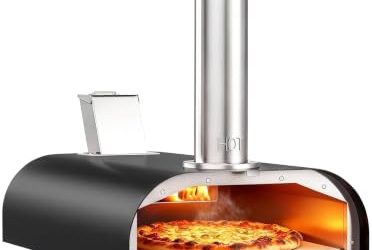
 BIG HORN OUTDOORS 12" Multi-Fuel Outdoor Pizza Oven12"27.1 x 14.2 x 28 inches24.9 poundsCheck on Amazon


Contents
- Main types of wood-fired oven
- Fuel: wood, charcoal and multi-fuel
- Build quality, insulation and the oven floor
- Stands, tables and bases
- Tools and accessories
- How firing works in practice
- Comparison table
- Safety notes
- Buyer checklist
- Mistakes to avoid
- Frequently asked questions
- Bottom line
Main Types of Wood-Fired Oven
All wood-fired ovens work by heating a chamber with a live fire and then cooking in the radiant heat from the dome and floor. The differences lie in size, portability and how they are built.
Portable outdoor ovens
Portable models are compact, lightweight and often fold or have removable legs. They are the entry point for most beginners, since they take little space and can be stored when not in use. Many are designed for one pizza at a time. They heat up quickly, but they hold less heat for long cooking sessions and depend on a steady supply of small pieces of wood.
Countertop or tabletop ovens
These sit on a sturdy outdoor table. They offer slightly more mass than the lightest portables and can be a good middle ground. The table has to be genuinely non-combustible or heat-rated and strong enough to carry the weight. Check the manufacturer’s guidance on what surface the oven can be placed on.
Freestanding ovens on a stand
A freestanding model comes with its own stand, often with a shelf for tools and wood. It is a good compromise when you want a more permanent location without building a structure. Check the stand’s stability and the wheels or levelling feet before you buy.
Masonry and brick ovens
Traditional brick or refractory ovens are the heavyweights of the category. They store a lot of heat, which makes them excellent for cooking several pizzas in a session and even for baking bread afterwards as the fire dies down. They take far longer to build and heat, and they need a proper foundation, so consider them a landscaping project rather than an appliance.
Oven kits and modular domes
Kits supply pre-cast or pre-cut components that you assemble on a base you build. They sit between a portable and a full masonry build. Check the instructions for base requirements, curing time and weatherproofing, since some kits need a finished enclosure and cure period before the first full fire.
Multi-fuel ovens
Some ovens accept wood, charcoal or gas, which is useful if you are not always up for tending a fire. Read what each fuel mode requires, because accessories such as burners and trays vary and each fuel has its own safety rules.
Fuel: Wood, Charcoal and Multi-Fuel
The fuel you use changes flavour, heat behaviour and effort. Dry, seasoned hardwood is commonly recommended because it burns hot and cleanly. Wet or green wood smokes badly, cools the oven and leaves soot on the dome and food.
Choosing wood
- Use clean, dry, untreated hardwood sold for cooking or fireplace use.
- Cut and split it to the size the oven opening and firebox can handle.
- Never burn pressure-treated lumber, painted wood, plywood, composite boards or offcuts from workshop projects, since they can release harmful fumes.
- Avoid softwoods that spit and give heavy smoke, unless the manufacturer specifically says they are suitable.
- Store wood off the ground under cover, away from the house, so it stays dry.
Build Quality, Insulation and the Oven Floor
A pizza oven is mostly about how it holds and delivers heat. Three features do most of the work.
The dome and its shape
A low, rounded dome helps heat circulate and reflect onto the top of the pizza. Overall height and the size of the opening both influence airflow and how well the fire draws. Check the product’s dimensions and chimney details against your space.
Insulation
Insulation keeps the heat inside, shortens the time to get up to cooking readiness and saves fuel. Some portables use thin steel with limited insulation and are best for short sessions. Heavier or double-skin models hold heat better and tend to perform more consistently in wind and cold. Insulated outer shells also run cooler to the touch, but you should still treat every external surface as hot.
The cooking floor
The floor takes the brunt of the heat. Common materials include cordierite, firebrick and ceramic stone. A thicker, denser floor recovers heat well after each pizza. A thin stone cools quickly and may leave the base undercooked on the second round. Allow the floor to come fully up to heat before cooking, and let it cool slowly. Do not splash water on a hot floor, which can crack it.
Stands, Tables and Bases
This is where woodworkers often get ideas, and where mistakes are most dangerous. An oven can be heavy and can get extremely hot at the base, so the surface underneath needs to be strong, level and non-combustible or rated for the heat.
What the base must do
- Support the full weight of the oven, the hearth and any accumulated heat-retaining material.
- Stay stable in wind, with no wobble or racking.
- Keep the oven at a comfortable working height, usually around waist height for most users.
- Provide non-combustible protection beneath and around the oven where the manufacturer asks for it.
- Offer a heat-safe landing spot for hot peels and trays.
Wood stands and heat
A timber table can be a good home for an oven only if the manufacturer’s instructions explicitly allow it and you include the recommended heat barrier or air gap. Otherwise, use a metal, masonry or concrete stand. Never place an oven directly on a wooden deck, a plastic table or a lawn chair. If you are building a base, treat it as structural work with exterior-rated joinery, and use non-combustible boards or masonry where required.
Tools and Accessories
A pizza oven rewards good tools. A few well-chosen accessories make cooking safer and far less frustrating.
- Pizza peels. A wooden or thin metal peel is used to launch the pizza, and a smaller metal peel is useful for turning it. A pizza peel set usually covers both jobs. Wood launches well, and metal slides under a cooked pizza easily.
- Infrared thermometer. An infrared thermometer lets you check the floor and dome temperature without guessing. Read the thermometer’s instructions about its limits and about measuring surfaces safely.
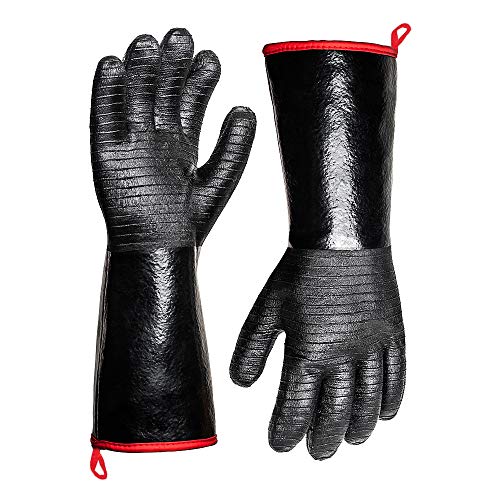
- Heat-resistant gloves. A pair of heat-resistant gloves protects hands while adding wood or moving hot items. Check their rating and replace them if they become damaged or wet.
- Long-handled tools. A long poker, tongs and an ash rake keep your hands away from the flame.
- Brush. A brass or other approved oven brush cleans the floor. Never use plastic or wire bristles that could melt or break off into the oven.
- Fire extinguisher or sand bucket. Keep a suitable extinguisher or other fire-control equipment nearby. Check the label to confirm it is suitable for wood fires.
- Wood storage. A rack or box near the oven keeps fuel dry and handy, but not close enough to catch fire.
- Cover. A fitted oven cover protects the unit from rain and dust once it is cold.
If you enjoy making things, a wood-fired oven also invites small workshop projects, such as a prep table, a peel rack or a log store. Use hardwood or exterior-grade lumber, seal it, and keep everything made of wood a safe distance from the oven door and chimney.
How Firing Works in Practice
You do not need professional skill to enjoy a wood-fired oven, but you do need patience. Always read the manufacturer’s instructions for first use, because many ovens call for a gentle curing fire before regular cooking.
- Set up on a stable, safe base. Check clearances from walls, fences, branches and overhangs. Confirm the chimney can vent freely.
- Build a small fire. Start with kindling and add small pieces of dry wood. Build slowly rather than piling on large logs.
- Let the oven come to temperature. Watch the floor and dome rather than the flames alone. A clean-burning fire, a sooty-free dome and a hot floor are better signs than flame size.
- Move the fire. Many designs let you push the fire to one side or keep a small flame going during cooking. Follow the instructions for your model.
- Launch the pizza. Dust the peel lightly, work quickly, and turn the pizza as it cooks. Cooking can be very quick, so stay near the oven.
- Maintain the fire. Add small pieces as needed and avoid smothering the flame.
- Shut down. Allow the fire to burn out and the oven to cool naturally. Dispose of ash only when it is fully cold, using a metal container with a lid placed on a non-combustible surface away from buildings.
Comparison Table
| Type | Portability | Heat retention | Best for | Main drawback |
|---|---|---|---|---|
| Portable | High | Lower | Beginners, small spaces, travel | One pizza at a time, constant feeding |
| Countertop | Moderate | Moderate | Patios with a sturdy table | Needs a heat-safe, strong surface |
| Freestanding with stand | Moderate | Moderate to good | Semi-permanent setup | Bulkier, needs space |
| Masonry or brick | None | Highest | Entertaining, long sessions | Long build, long heat-up |
| Kit or modular dome | Low | Good | DIY builders wanting a permanent oven | Needs a base, curing and weather protection |
| Multi-fuel | Varies | Varies | Flexible cooks | Fuel-specific rules and accessories |
This table describes general patterns. Verify the specifications and instructions for each model before you buy.
Safety Notes
- Outdoor use only. Wood-fired ovens produce carbon monoxide and smoke. Never use one indoors, in a garage, under a covered porch without adequate ventilation, or in any enclosed space.
- Clearances. Keep the oven well away from walls, fences, sheds, overhanging branches, awnings and anything flammable. Follow the exact clearances in the instructions.
- Non-combustible surface. Place the oven on a surface that can handle the heat. Wooden decks may need protective pads or barriers.
- Hot surfaces. The door, chimney and outer shell can be hot enough to burn. Keep children and pets back, and set a clear perimeter.
- Wind and embers. Sparks can travel. Do not fire the oven in strong wind, in dry conditions or during burn bans.
- Fuel handling. Do not use gasoline, lighter fluid or other accelerants. Keep stored fuel and kindling a safe distance from the oven.
- Treated and workshop wood. Never burn treated, painted or glued wood.
- Ash. Ash can hold hot coals for a long time. Store it in a metal container with a lid, on a non-combustible surface, until completely cold.
- Supervision. Never leave a lit oven unattended, and do not leave it until the fire is out and the unit has cooled.
- Local rules. Check open-fire restrictions, fire-season rules and homeowners association limits before using a wood fire.
Buyer Checklist
- Decided between portable, countertop, freestanding, kit or masonry.
- Measured the space and checked clearances from structures and plants.
- Checked the weight of the oven and the strength of the surface beneath.
- Confirmed which fuels are supported and how each is used.
- Looked at floor material, insulation and overall build.
- Checked chimney size and whether it removes easily for storage.
- Confirmed what is included, such as peel, cover, stand and thermometer.
- Checked whether the oven needs a curing fire before first use.
- Planned wood storage and ash disposal.
- Verified local burn rules and any association restrictions.
- Prepared a fire extinguisher, gloves and long tools.
Mistakes to Avoid
- Placing it on a flammable surface. Wood decks and plastic tables are common causes of scorching and fires.
- Using wet or treated wood. Wet wood smokes and cools the oven. Treated wood can give off harmful fumes.
- Overbuilding the fire. Large logs lead to uneven heat and soot. Build small and add gradually.
- Cooking too soon. Putting a pizza in before the floor is hot leads to pale, soggy bases.
- Ignoring curing instructions. A new oven, especially masonry, may crack if rushed.
- Soaking the floor. Cold water on a hot stone can crack it. Brush it clean instead.
- Using the wrong peel. A rough or sticky peel makes launching difficult. Dust it lightly and keep it dry.
- Leaving the oven uncovered. Rain and humidity damage stone and metal over time.
- Forgetting protective gear. Gloves and long tools prevent most burns.
- Skipping local rules. Fire restrictions and neighbour complaints can end your oven plans quickly.
Frequently Asked Questions
What is the best type of wood-fired pizza oven for a beginner?
A portable oven is usually the easiest place to start. It is compact, relatively quick to heat and lets you learn fire management before committing to a permanent build.
What wood should I burn?
Dry, seasoned, untreated hardwood sold for cooking or fireplaces is the usual choice. Avoid wet, painted, treated or glued wood, and check the instructions for any other fuel restrictions.
Can I use it on a wooden deck?
Only if the manufacturer’s instructions allow it and you provide the recommended heat protection. Many people prefer a stone, concrete or metal surface for safety.
How long does it take to heat up?
That varies by oven type, insulation and fuel. Portable models heat faster than masonry ovens. Check the instructions and use a thermometer rather than guessing.
Can I use it in the rain or wind?
Most ovens are meant for dry weather. Wind can scatter embers and rain can damage stone and metal. Follow the manufacturer’s guidance and avoid use in poor conditions.
How do I clean it?
Wait until it is completely cool, brush out the ash and wipe down surfaces as the instructions suggest. Avoid soaking the stone and avoid harsh chemicals.
Is a multi-fuel oven worth it?
It can be if you want the option to cook without managing a fire every time. Check what each mode needs and make sure you can follow the safety rules for each fuel.
Do I need a permit or special approval?
Portable ovens usually do not need a permit, but built-in structures can. Local fire rules, burn bans and homeowners association policies may also apply, so check before you install.
Bottom Line
Choose a wood-fired pizza oven based on how you will actually cook and where you will actually put it. Start portable if you are curious, go masonry or kit if you want a lasting centrepiece, and put safety first with a non-combustible base, proper clearances and sensible fire habits. Read the current specifications and instructions, check local fire rules, and equip yourself with the right tools.
For a safe first fire, pair your oven with a fire extinguisher and a reliable outdoor pizza oven that fits your space.
Disclosure: As an Amazon Associate, we earn from qualifying purchases. Links marked as sponsored may earn us a commission at no extra cost to you.
Related guides
More from Amazon
Programs that pair well with the guide above. Offers and eligibility are set by Amazon and may change.
A free business account with business pricing and bulk-buying tools for work, shop or home office.
Create a business accountFree shipping on eligible items, Prime Video and more. Eligible new members can start with a free trial.
Start a Prime free trialAudiobooks and podcasts to listen to on the go. Eligible new members can start with a free trial.
Try Audible freeAd-free music streaming. Eligible new subscribers can start with a free trial.
Try Music Unlimited freeAs an Amazon Associate we earn from qualifying purchases.