What's inside
As an Amazon Associate I earn from qualifying purchases. This post may contain affiliate links at no extra cost to you.
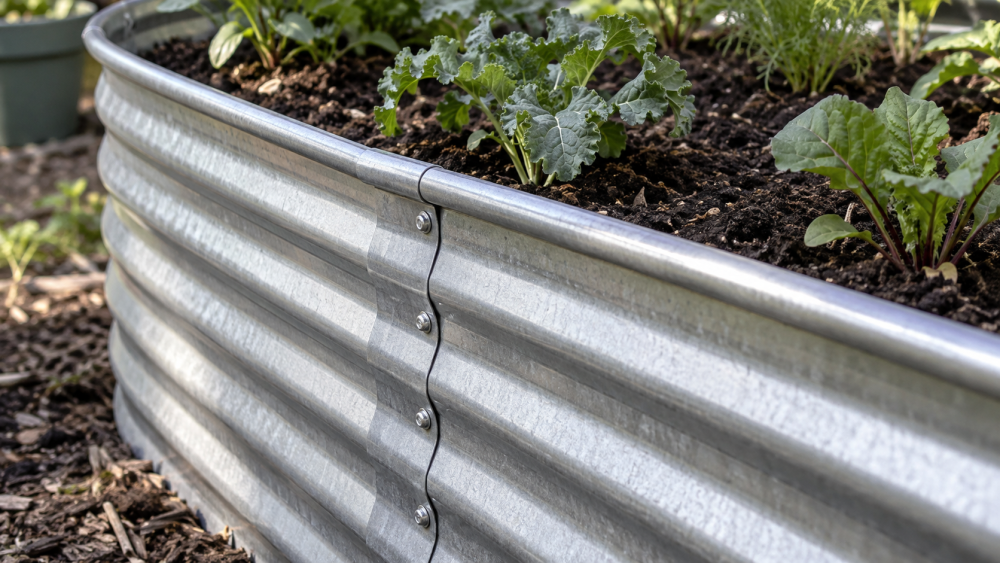
A raised bed for vegetables solves a specific problem: you want to grow more food in less space without destroying your lawn, wrestling clay soil, or bending until your lower back gives out. The best options give you a defined growing volume with drainage that works, walls that don’t rot or buckle after one season, and an assembly process that doesn’t require a second pair of hands and a trip to the hardware store for missing parts.
What separates a good raised bed from a disappointing one comes down to material longevity, structural rigidity, and thoughtful drainage. Galvanized steel beds dominate the budget tier because they resist rust and rot far better than untreated wood, but cheap versions arrive with sharp burrs and thin gauges that crease during assembly. Elevated beds with legs solve the ergonomics problem but sacrifice soil volume. The right choice depends on your growing season length, available ground space, and whether you prioritize depth or accessibility.
As an Amazon Associate we earn from qualifying purchases at no extra cost to you. Product prices and availability are accurate as of the date shown and are subject to change.




Quick Picks
| Product | Best For | Price |
|---|---|---|
| Rakukiri Galvanized Oval | Lowest entry cost | $16.99 |
| Land Guard Galvanized Oval | Larger oval footprint on a budget | $19.99 |
| Utopia Home 4x2x1 Galvanized | Compact predictable sizing | $19.49 |
| LEETOLLA Elevate 32″ | Mobility and back-friendly height | $59.84 |
| Land Guard Elevated with Legs | Heavy-load capacity on patios | $39.99 |
| Raised Bed & Container Vegetable Gardening | Planning and layout guidance | $18.99 |
| Yaheetech Wooden Planter Box | Natural aesthetics in a garden | $49.99 |
| Best Choice Products 6x3x2 Metal | Maximum soil volume for serious growers | $89.99 |
How We Picked
We evaluated published dimensions, material type, weight capacity claims, drainage design, and recurring themes in verified owner reviews. The three criteria that carry the most weight in this category are structural durability (how the bed withstands soil pressure across multiple seasons without bowing or corroding), assembly friction (whether the design requires specialized tools or produces sharp edges), and growing volume relative to footprint (a bed that wastes soil mass on thick walls or shallow floors underperforms its size claim).
The 8 Best Raised Beds For Vegetables in 2026
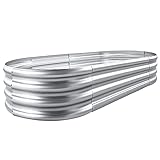
Rakukiri Galvanized Oval
This is the lowest-cost way to get a functional galvanized metal bed with a rot-resistant, recycled-material construction. Owners praise the 5-foot oval shape for fitting along fences or in narrow side yards where a rectangle would waste space. The GRS certification indicates recycled content, which appeals to buyers who want sustainability without paying a premium. The main trade-off is steel gauge; some reviewers note the walls flex more than pricier competitors under full soil load. Assembly is tool-free but requires care around cut edges. Skip this if you need deep-root crops like parsnips or if you plan to fill it completely and leave it over winter in freeze-thaw climates.
Land Guard Galvanized Oval
At $19.99, this oval kit offers a larger footprint than most competitors in the same price bracket. The galvanized finish resists rust through multiple wet seasons, and the oval geometry provides even access to all planting areas without stepping on soil. Owners report straightforward assembly with included hardware and a design that drains reasonably well through bottom gaps. The con is that the “large” description in the listing can mislead; actual interior growing area is still modest compared to rectangular options at similar cost. Skip this if you need a flat edge against a wall or if you’re growing heavy root vegetables that demand more depth than this shallow oval provides.
Utopia Home Galvanized 4x2x1
The 4x2x1-foot dimensions are stated upfront, which eliminates the guesswork that plagues many budget beds. This is a good choice for a patio corner, under a window box, or as a secondary bed for herbs and lettuce. Assembly is described as easy by the manufacturer, and the single-unit pack means no confusing bundle math. Owners like the silver finish for blending into modern outdoor furniture. The limitation is obvious from the dimensions: one foot of depth means a short root zone. Skip this if you’re serious about tomatoes, peppers, or carrots that need 12 or more inches of uncompacted soil below their base.
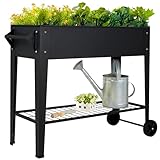
LEETOLLA Elevate 32″ with Wheels
This elevated bed with wheels addresses two problems at once: back strain and immobility. At 32 inches tall, you can tend vegetables while standing or seated on a stool. The wheels let you reposition the bed to chase sunlight or shelter from heavy rain, which is genuinely useful on small lots with shifting shade. Owners appreciate the built-in drainage and the fact that no ground preparation is needed. The downside is soil volume; the elevated planter area is shallower than a ground-level bed of similar footprint, limiting what you can grow. Skip this if your priority is maximum harvest yield per square foot rather than ergonomic comfort.
Land Guard Elevated with Legs
With a stated 700-pound capacity and 48x24x32-inch dimensions, this elevated bed is the heavy-duty option for patios, balconies, and uneven ground where a ground-level bed would sit poorly. The drainage holes in the bottom are a practical touch that prevents waterlogging. Owners frequently mention it as a balcony-friendly solution that holds substantial soil without sagging. The legs add height but also narrow the footprint compared to larger ground beds, so you’re trading total growing area for accessibility. Skip this if you have flat open ground available; you’ll get more soil volume per dollar from a rectangular bed without legs.
Raised Bed & Container Vegetable Gardening
This is a planning resource, not a physical bed, and it earns its place because knowing what to grow and how to layout a small raised bed matters as much as the container itself. The book covers budget-friendly methods, seasonal planting plans, and layout strategies specifically for confined growing spaces. Owners who pair it with a physical bed report fewer mistakes in spacing and crop selection. It won’t hold soil or drain water, which is the obvious limitation. Skip this if you already have a solid gardening reference and only need hardware; but if you’re building your first raised bed for vegetables and feel uncertain about timing and spacing, this is a low-cost insurance policy.
Yaheetech Wooden Planter Box
Wood appeals to buyers who want a natural look that blends into a garden setting rather than standing out as a metal box. This planter delivers that aesthetic at under $50. Owners note it fits well in mixed-flower beds where metal would clash. The trade-off with wood is lifespan; untreated or lightly treated timber will eventually soften, discolor, and invite fungal growth, especially in damp climates. Expect a few seasons before structural concerns arise. Skip this if you want a set-and-forget solution or if you live where winters bring repeated freeze-thaw cycles that accelerate wood degradation. It works best as a seasonal or decorative addition.
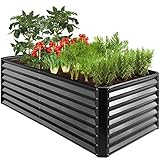
Best Choice Products 6x3x2 Metal
This is the largest soil-volume option in the roundup at a 269-gallon capacity, making it the serious grower’s choice. The 6x3x2-foot footprint provides deep rooting zones suitable for full tomato and pepper season, and the 100% non-toxic material claim matters if you’re concerned about galvanizing coatings leaching into food. Owners report it holds shape well under heavy soil loads. The price reflects the size; at $89.99 it costs roughly triple a budget oval bed, though per gallon of soil it’s competitive. Skip this if you lack the ground space or if your soil depth requirements are modest, because you’re paying for volume you may not use.
Buying Guide
Material and Lifespan
Galvanized steel resists rust for years with minimal maintenance and handles freeze-thaw expansion without cracking. Wood looks natural but degrades in wet climates within two to four seasons unless it’s cedar or treated lumber rated for ground contact. Elevated plastic-composite beds are rare in this price tier. If longevity matters more than aesthetics, galvanized steel wins on published durability and owner-reported multi-season use.
Depth and Root Zone
Six inches is adequate for lettuce, herbs, and radishes. Eight to twelve inches supports most annual vegetables including tomatoes and peppers. Deeper than twelve inches benefits root crops like carrots and beets but increases soil cost proportionally. The Best Choice Products bed at 2 feet deep offers the most generous root zone here; the Utopia Home at 1 foot is the shallowest. Match depth to your target crops before worrying about width or shape.
Drainage and Placement
A bed without adequate drainage will drown roots or rot walls from the inside out. Look for bottom gaps, drainage holes, or a mesh layer that prevents soil from washing out while allowing water to escape. Elevated beds with legs naturally drain underneath, but require a tray or open slats so runoff doesn’t pool on a patio. Ground-level beds sit on soil, so drainage is less critical unless your yard has a clay pan that holds water.
Our Verdict
The Best Choice Products 6x3x2 Metal is the top pick for anyone with the space and intent to grow a meaningful vegetable harvest in a single container. Its 269-gallon capacity and 2-foot depth remove the most common frustration owners report with smaller beds: running out of soil volume mid-season. For a budget pick, the Rakukiri Galvanized Oval at $16.99 delivers the lowest-risk entry into raised bed gardening with acceptable durability for a first season. One condition under which another product wins: if back pain or limited mobility is your primary constraint, the LEETOLLA Elevate with wheels outperforms both, because ergonomics determine whether you actually tend the bed regularly.
FAQ
Do galvanized metal raised beds leach zinc into soil?
Galvanized coatings contain zinc, which is itself a micronutrient plants need in trace amounts. Published material safety data for modern food-grade galvanizing indicates negligible leaching in typical garden soil pH ranges. Non-toxic claims on beds like the Best Choice Products option refer to coatings free of cadmium or lead, which are the actual concern.
What size raised bed is best for a beginner?
A four-by-two-foot or small oval bed is manageable for one person to fill, tend, and reach across without compacting soil. Start there, add a second bed next season once you understand your watering rhythm and crop spacing. Overbuying depth or volume is the most common beginner mistake because soil and compost add up quickly.
How much soil does a 4x2x1 bed need?
A bed with those exterior dimensions will hold roughly six to seven cubic feet of soil once you account for wall thickness and base clearance. That translates to a few bags of pre-mixed raised bed soil. Factor in that the soil volume shrinks slightly after initial watering as it settles.
Can I use a raised bed on a balcony?
Yes, with two caveats. Weight is the primary concern; wet soil is heavy, so check your balcony load rating before filling a large bed. Second, ensure drainage water has somewhere to go without dripping onto neighbors below. Elevated beds with legs and drainage holes, like the Land Guard option with 700-pound capacity, are specifically designed for this use case.