What's inside
- Contents
- What a Butterfly House Is and Is Not
- Common Designs
- Comparison of Butterfly House Styles
- Materials and Construction Quality
- Where to Put It
- Plants Matter More Than the Box
- Building One Yourself
- Seasonal Upkeep
- Buyer Checklist
- Mistakes to Avoid
- Safety and Garden Responsibility
- Frequently Asked Questions
- Bottom Line
As an Amazon Associate I earn from qualifying purchases. This post may contain affiliate links at no extra cost to you.
The short answer: the best butterfly houses are solid, weather-resistant wooden shelters with narrow vertical slots, a roof that sheds rain, and a way to hang or mount them securely in a sheltered, sunny corner. Be honest about what they do, though. Many gardeners report that butterflies show little interest in these boxes, and wildlife experts often say that planting nectar flowers and host plants does far more good. Treat a butterfly house as a charming garden feature that might offer a resting place, and spend at least as much effort on the plants around it. Check current guidance from a local butterfly or garden conservation group before you buy.
This guide does not rank brands or promise results. It explains the common shelter designs, the materials worth paying for, how to site and mount one, what to plant beside it, and how to keep the whole project safe and low-risk. If you enjoy woodworking, it also covers what to think about when building your own.
Contents
- Contents
- What a Butterfly House Is and Is Not
- Common Designs
- Comparison of Butterfly House Styles
- Materials and Construction Quality
- Where to Put It
- Plants Matter More Than the Box
- Building One Yourself
- Seasonal Upkeep
- Buyer Checklist
- Mistakes to Avoid
- Safety and Garden Responsibility
- Frequently Asked Questions
- Bottom Line
Our Top Picks

Contents
- What a butterfly house is and is not
- Common designs
- Comparison of butterfly house styles
- Materials and construction quality
- Where to put it
- Plants matter more than the box
- Building one yourself
- Seasonal upkeep
- Buyer checklist
- Mistakes to avoid
- Safety and garden responsibility
- Frequently asked questions
- Bottom line
What a Butterfly House Is and Is Not
A butterfly house is a small, upright box with several thin vertical openings in the front. The idea is that adult butterflies can slip inside to rest, shelter from rain or wind, or pass cool spells. Some people also hope to see them overwinter inside. That last hope is the one most often questioned, because many butterflies spend the cold months in other forms or in other kinds of shelter, and the answer depends entirely on species and region.
It is worth separating the product from the promise. The box itself is simple woodwork. What it can do is add structure and interest to a planted area, offer a possible refuge, and give you a reason to stand still and watch. What it cannot do is replace the food plants that butterflies and caterpillars need. If your goal is genuinely to help butterflies, the planting plan deserves most of your attention and budget, and the house is the finishing touch.
Because outcomes vary, avoid any listing that guarantees visitors. Reasonable listings describe dimensions, materials and mounting, not wildlife results. If you want to know what is likely in your own area, a regional conservation group or garden extension service can tell you far more than a product page.
Common Designs
Hanging shelters
Hanging models have a loop or hook at the top and swing gently. They are easy to place in a tree or on a pergola, but they can sway and bang in wind, which may deter anything from using them. Choose a sheltered branch or a bracket that limits movement, and avoid exposed positions.
Post-mounted and freestanding houses
These sit on a short post or a stake pushed into a border. They stay still, which is a point in their favour, and they suit flower beds well. Check that the stake or post is sturdy and that the base resists rot. Wobbly stakes are a frequent complaint.
Wall and fence mounted boxes
Flat-backed boxes can be screwed to a fence, shed or wall. A sun-warmed surface may suit them, and they make good use of small gardens. Make sure the back panel is flat and that you can fasten it firmly to a solid surface.
Combined shelters
Some products combine butterfly slots with a small insect or bee section, or a feeding tray. Mixed designs can be fun, but they may do each job less well. Compare what is actually included, and be sceptical of anything that appears overcrowded with features.
Comparison of Butterfly House Styles
| Style | Stability | Ease of installation | Typical placement | Watch out for |
|---|---|---|---|---|
| Hanging | Low in wind | Very easy | Sheltered branch or pergola | Swinging, weak hooks, rotting cord |
| Post-mounted | High | Moderate | Flower borders | Thin stakes, base rot |
| Wall or fence | High | Moderate | Sunny fence, shed or wall | Weak fixings, heat reflecting off hard surfaces |
| Combined shelter | Varies | Varies | Garden edges | Cramped features, thin construction |
If you are unsure, a post-mounted or fence-mounted house tends to be the steadiest. You can browse butterfly houses and compare each listing against the details below.
Materials and Construction Quality
Wood and thickness
Look for solid, exterior-suitable wood with panels thick enough to resist splitting. Very thin boards crack when they get wet and dry repeatedly, and they let heat in. Joints should be tight, with no gaps that let rain run into the interior. Avoid pressure-treated timber and strong-smelling preservatives in the interior, since you do not want chemicals where insects will rest.
Slot width and finish
Slots should be narrow and vertical, with smooth edges that will not snag delicate wings. Rough, splintery edges are a quality warning. Because slot width can influence which insects get in, it is sensible to follow the maker’s current specifications and local advice, instead of widening slots with a saw.
Paint, stain and sealants
An unfinished box may last well in a dry spot, but a coat of exterior, water-based, non-toxic stain on the outside can extend its life. Keep coatings off the interior and the slot edges. Let any finish cure fully, ideally for several days outdoors, before you hang the house.
Roof and drainage
A sloping roof with some overhang keeps rain from running down the front. A sturdy hinged or removable back makes cleaning easier and is a feature worth looking for. Metal flashing on the roof adds protection but can increase heat in strong sun, so use it with care.
Hardware
Hooks, screws and brackets should be corrosion-resistant. Cheap, thin hooks bend, and rusted screws leave stains and fail. If a listing does not mention hardware, assume you may need to supply some, and plan for stainless or coated outdoor fasteners.
Where to Put It
Butterflies are cold-blooded and favour warmth, so a spot that receives sun for a good part of the day, yet is shielded from strong wind, is the usual advice. A south or west-facing fence in the Northern Hemisphere is a common suggestion, but check local guidance since the best orientation depends on climate. Spend a day watching how sun and wind move through your garden before you choose.
Position the house close to flowering plants, ideally within a few steps of a patch of nectar-rich blooms, and keep it at a height that is comfortable for you to view and clean. A mounting position around eye level to somewhat higher is typical. Avoid deep shade, windy corners and spots directly above a path where people brush against it.
Keep it clear of spider webs, bird feeders that attract constant activity, and areas where cats frequently patrol. A bit of cover nearby, such as shrubs, can offer shelter from gusts. If you are mounting to a wall, remember that reflective hard surfaces can become very hot in summer, so test the position through a hot afternoon.
Plants Matter More Than the Box
Adult butterflies feed on nectar, and caterpillars feed on particular host plants. Without both, a house will have little to offer. Aim for a succession of flowers across the growing season so that nectar is always available, and include host plants appropriate to your region.
Local native plants are generally the best choice because they have evolved alongside local insects, though you should confirm what is suitable for your area through a regional conservation organisation. Be cautious about plants that are considered invasive in your region, as some popular garden favourites spread into wild areas. Ask at a local nursery or check an official list before planting.
Also consider a shallow, damp spot or a dish of wet sand and pebbles, where butterflies can sip moisture. Provide some sunny, sheltered spots with flat stones where they can bask. Leave a corner a little untidy, with leaf litter and uncut stems, because many insects use these for shelter.
Above all, avoid pesticides. Even products described as mild can harm caterpillars and other pollinators. If you must treat a problem, choose the least disruptive option and apply it carefully, following the label and local advice. A garden that is lightly managed and rich in plants will do more for butterflies than the best-made box.
Building One Yourself
A butterfly house is a good beginner woodworking project: small, forgiving and easy to finish. Basic tools such as a saw, drill, sandpaper and clamps will cover it. Use exterior-suitable wood, cut the slots cleanly, sand every edge smooth, and use exterior glue and screws instead of staples. A set of sanding blocks helps you get the slot edges smooth enough to protect wings.
Work from a design published by a garden or conservation organisation if you can, and follow the dimensions exactly. Avoid inventing sizes. Make the back removable, set a slight slope on the roof, and test-fit all parts before gluing. Wear eye protection and a dust mask when cutting and sanding, and work in a ventilated area.
If you are buying a kit, check that all panels are cut cleanly, that the hardware is included, and that the instructions are readable. Building from a kit is an easy afternoon project, and a butterfly house kit is a good way to try it without needing a workshop.
Seasonal Upkeep
Check the house at least once or twice a year. In late winter or early spring, look for loose fixings, damaged slots, cracks and peeling finish. Brush out cobwebs and debris gently from the outside with a soft brush. Do not poke into the slots with sharp tools, as you may harm anything inside.
Wasps, spiders and other insects sometimes move in. This is normal, and you can leave them alone unless they pose a risk to people. If a nest is a problem, contact a pest professional instead of tackling it yourself. If the house is left outdoors through winter, check that it is not waterlogged, and consider bringing a delicate or unfinished model into a dry shed.
If the box shows heavy wear after a couple of seasons, replace it. A rotted house is not worth keeping, and it is cheaper and more pleasant to enjoy a sound one.
Buyer Checklist
- Solid, exterior-suitable wood with panels that feel sturdy, and tight joints.
- Narrow vertical slots with smooth, sanded edges.
- A roof with overhang, and a back that opens for cleaning.
- Clear dimensions, weight and mounting instructions in the listing.
- Corrosion-resistant hooks, screws or brackets, or a plan to supply your own.
- No strong chemical smell and no paint inside the slots.
- A sheltered, sunny site close to nectar plants, with a stable mount.
- Honest, realistic description with no guaranteed wildlife results.
- A planting plan for nectar and host plants appropriate to your region.
- Current manufacturer instructions and return policy reviewed before purchase.
Mistakes to Avoid
- Buying the box and skipping the plants. Without food sources, the house is just decoration.
- Hanging it where it swings. Constant movement makes a poor resting place. Secure it.
- Putting it in deep shade. Butterflies seek warmth, so a dark, damp corner is unlikely to appeal.
- Using pesticides nearby. Sprays can harm adults and caterpillars alike.
- Choosing thin, cheap wood. It warps, cracks and lets rain in within a season or two.
- Painting the interior. Fumes and residue are best avoided where insects will rest.
- Widening the slots. Wider gaps may admit other animals and let in weather.
- Expecting an overwintering colony. Whether anything uses the house in winter is uncertain and varies by region.
- Planting without checking local advice. Some popular nectar plants are problematic in certain areas.
Safety and Garden Responsibility
Start with yourself. If you are installing a house on a post, fence or tree, use a stable ladder, wear gloves and eye protection, and watch for overhead power lines. When you are sawing or sanding, a dust mask and safety glasses are worth wearing. Keep power tools away from children and unplug them when not in use.
Be careful around stinging insects. Wasps, hornets and bees may use small cavities, so inspect the area before you reach in, and avoid blocking an active nest. If anyone in your household has a known insect-sting allergy, ask a medical professional for guidance and consider asking someone else to handle maintenance. Never use fire, smoke or sprays to remove a nest by yourself.
Protect the wildlife as well. Do not use pesticides, herbicides or slug pellets near the house and its plants unless your local guidance clearly says they are safe for pollinators. Never capture butterflies in the wild to stock a box. In some places, specific species are protected, and handling or collecting them may be restricted. Check local wildlife rules if you are unsure.
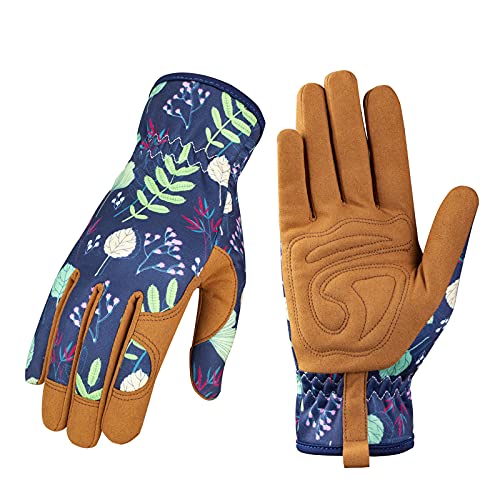
Finally, avoid introducing plants that could spread. Choose garden-suitable varieties recommended by regional experts. For your own protection while working outdoors, consider garden gloves and a hat, and always check the product’s current instructions.
Frequently Asked Questions
Do butterflies actually use butterfly houses?
Reports vary, and many gardeners say that butterflies rarely use them. Some insects may rest in a box, but there is no guarantee. Planting suitable flowers and host plants usually does more to attract butterflies than the house itself.
Where is the best place to hang one?
Choose a sheltered, sunny position out of strong wind, close to nectar flowers and at a comfortable viewing height. Make sure it is secure so it does not swing. Check local guidance, since the ideal spot depends on your climate.
Can butterflies hibernate in a butterfly house?
Some people hope so, but it depends on the species and region. Many butterflies overwinter in other ways. Ask a local conservation group what is known in your area before relying on a box for winter shelter.
What size should the slots be?
Slots are narrow and vertical, but exact measurements vary by design. Follow the maker’s current specifications or a published plan from a recognised organisation instead of guessing.
Should I put a feeder inside?
Most guides suggest feeding stations be kept separate. Fresh flowers are a better food source, and old fruit or sugar mixtures can attract pests. If you add a feeder, keep it clean, refresh it often and place it away from the box.
How often should I clean it?
Check it once or twice a year and brush off cobwebs and debris from the outside. Avoid probing the slots. If it looks badly weathered, mouldy or damaged, replace it instead of trying to repair it endlessly.
Is it safe to build my own?
Yes, with sensible precautions. Use sharp, well-maintained tools, wear eye and dust protection, and work from a published plan. Avoid toxic finishes inside the house, and let any coating cure fully before hanging it.
What matters more, the house or the plants?
The plants. Nectar flowers and appropriate host plants feed adults and caterpillars, and a pesticide-free garden supports many other insects as well. The house is a pleasant extra, not a substitute.
Bottom Line
The best butterfly houses are sturdy, well-finished, sensibly mounted shelters with smooth narrow slots, and they work best as part of a garden full of nectar and host plants. Do not expect guaranteed visitors, keep chemicals out of the picture, and check local guidance and current manufacturer instructions before buying or installing. If you want a simple place to begin, look at a solid wooden butterfly house and match it to the checklist above.
Disclosure: As an Amazon Associate, we earn from qualifying purchases. Links marked as sponsored may earn us a commission at no extra cost to you.
Related guides
More from Amazon
Programs that pair well with the guide above. Offers and eligibility are set by Amazon and may change.
A free business account with business pricing and bulk-buying tools for work, shop or home office.
Create a business accountFree shipping on eligible items, Prime Video and more. Eligible new members can start with a free trial.
Start a Prime free trialAudiobooks and podcasts to listen to on the go. Eligible new members can start with a free trial.
Try Audible freeAd-free music streaming. Eligible new subscribers can start with a free trial.
Try Music Unlimited freeAs an Amazon Associate we earn from qualifying purchases.