What's inside
As an Amazon Associate I earn from qualifying purchases. This post may contain affiliate links at no extra cost to you.
The short answer: the best gazebo is the one whose frame, roof and footprint match your yard, your weather and how much upkeep you will tolerate. For a permanent backyard feature that you want to last, a wooden or solid-framed hardtop gazebo is usually the strongest choice. For a quick shaded corner that you may move or take down for winter, a soft-top gazebo with a steel or aluminum frame is more practical. A wooden kit suits anyone who likes to build, stain and maintain things themselves, which is exactly what this site is about.
This guide does not rank specific products or quote prices, because listings, dimensions and materials change often. Instead it explains the types, the structural details that matter, the tools you will want on hand for assembly, and the mistakes that lead to a wobbly, leaking or wind-damaged structure. Use it to narrow the field, then check each current listing against your own site measurements.
Contents
Our Top Picks
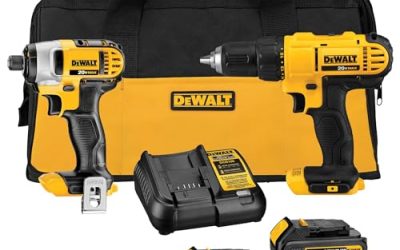
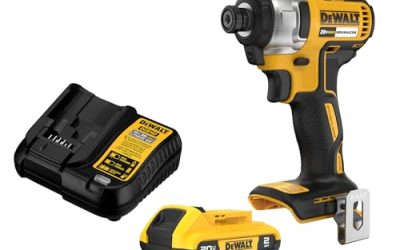
 DEWALT 20V MAX Cordless Drill and Impact DriverOne Size15.06 x 6.4 x 9.88 inches3.6 PoundsCheck on Amazon


Contents
- The main types of gazebo
- Wood, steel, aluminum and vinyl frames
- Choosing the roof
- Size, shape and placement
- Foundations and anchoring
- Tools and workshop prep for assembly
- Comparison table
- Safety notes
- Buyer checklist
- Mistakes to avoid
- Frequently asked questions
- Bottom line
The Main Types of Gazebo
Walk through any garden centre or scroll through any listing page and the word gazebo covers several quite different structures. Sorting them into families makes the decision much easier, because each family has a typical lifespan, a typical assembly effort and a typical set of weaknesses.
Traditional wooden gazebos
These are the classic open-sided structures with posts, rails, a pitched or multi-sided roof and often a built-in bench. They are sold as pre-cut kits or built from plans. A wooden gazebo looks at home in a garden, accepts paint or stain in any colour, and can be modified later with screens, lattice, lighting or a swing. The trade-off is upkeep: untreated or poorly sealed timber will weather, and exposed end grain is where moisture gets in first.
Hardtop gazebos with metal roofs
A hardtop gazebo pairs a steel or aluminum frame with a solid roof panel, often a metal sheet or a polycarbonate-style panel, sometimes with a second tier to let hot air escape. The solid roof keeps rain off completely and does not need replacing like fabric does. These are heavier and usually need a more serious anchoring plan than a lightweight canopy.
Soft-top gazebos
Soft-top models use a fabric canopy over a lightweight frame. They are quick to put up, relatively easy to move and well suited to renters or anyone who is not ready to commit to a permanent structure. The canopy is the wear item. Fabric fades and eventually degrades in sun, and most manufacturers advise taking the canopy down before storms or heavy snow.
Wood, Steel, Aluminum and Vinyl Frames
The frame material controls weight, upkeep and how the structure ages. There is no universally correct answer, only a better match for your conditions.
Wood
Common choices include cedar, pressure-treated pine and other outdoor-rated softwoods. Naturally durable species resist rot better but can cost more and still benefit from a finish. Pressure-treated lumber is treated for ground contact or above-ground use depending on its rating, so read the tag and use the correct grade for any post that sits near soil. Wood is easy to cut and drill on site, which makes custom adjustments simple. It also moves with humidity, so expect small seasonal gaps and plan to tighten fasteners after the first few months.
Steel
Steel frames are strong and heavy, which helps in wind, but the finish matters. Powder-coated or galvanized surfaces resist rust only while the coating is intact. A scratch from assembly or a chip from a stray mower is a spot to touch up promptly. Look at wall thickness and joint design in the listing rather than relying on a marketing word like heavy duty.
Aluminum
Aluminum does not rust the way steel does and is lighter to carry and lift into place, which helps with solo assembly. It can flex more in strong wind, so anchoring and cross-bracing deserve extra attention. It is a sensible option near coastal air, where steel coatings are tested harder.
Choosing the Roof
The roof is where most gazebo disappointments begin. Shade, rain protection, snow handling and wind behaviour all come down to what sits above your head.
Fabric canopy
A fabric canopy gives good shade for the least weight. Look for a waterproof or water-resistant coating, UV protection and reinforced seams, and check whether replacement canopies are available for the model. A vented top lets hot air and gusts escape rather than lifting the whole structure like a sail.
Metal roof
Metal roofs shed rain and snow easily and last far longer than fabric. They can be noisy in heavy rain and may feel warm underneath in direct sun unless the roof is insulated or double-skinned. Check that panels are fastened securely and that any sealant or gasket points are accessible for maintenance.
Shingled or cedar-shake roof
On a traditional wooden gazebo, a shingled roof matches the house and stays cool and quiet. It needs a proper roof deck, underlayment and flashing at the peak. If you are building the roof yourself, follow the same detailing you would use on a shed or small house, since water finds every shortcut.
Size, Shape and Placement
Mark the footprint on the lawn with string or stakes before you order anything. Then add the room you need around the structure: space for chairs to be pulled out, a path to the house, and clearance from fences, overhanging branches and neighbouring property lines.
- Furniture first. Place your table and chairs in the footprint, or measure them, and leave room to move behind each seat.
- Overhead. Look up for branches, power lines and rooflines that drip or shed snow.
- Ground level. Slopes, soft spots and tree roots will complicate the base. A level pad is far easier than fighting uneven ground.
- Sun path. Think about where the sun is at the times you actually use the space. A west-facing opening can be harsh in the evening.
- Access. Check gate widths and the route for long boxes if you are having a kit delivered. Some arrive on a pallet at the kerb.
Foundations and Anchoring
A gazebo acts like a big sail. Even a heavy-looking one can shift or lift in strong gusts if it is only sitting on grass. The right base depends on the structure.
- Concrete slab or pavers. A flat, firm surface gives the best stability, and many frames can be bolted down with suitable masonry anchors. Pavers need a compacted base so they do not settle unevenly.
- Wood deck. Anchor the posts to the deck framing, not just the decking boards. Check that the deck itself is rated for the added load of a roof, furniture and people.
- Post-in-ground or footings. A traditional wooden build often uses poured footings with post brackets. Local frost depth and soil type affect how deep footings need to go, so confirm local requirements.
- Lawn. If you must set a lightweight model on grass, use the stakes or ground anchors the manufacturer supplies or recommends, and consider weight bags on each leg as an extra measure, not a replacement for anchoring.
Before you dig, have underground utilities located through your local service. This is usually free and takes a few days. Never assume the area is clear.
Tools and Workshop Prep for Assembly
Since this site is about woodworking and workshop projects, it is worth treating a gazebo like any other build: gather tools, lay out parts and work in a sensible order. Even a soft-top kit goes together faster when you are prepared.
For a wooden kit or plan-based build, a cordless drill and driver set with a good selection of bits covers most fastening. A cordless drill and driver with a spare battery saves you stopping halfway up a ladder. A laser level or a long spirit level helps you set posts plumb and beams level, which matters more than most people expect when a roof has to sit squarely on top.
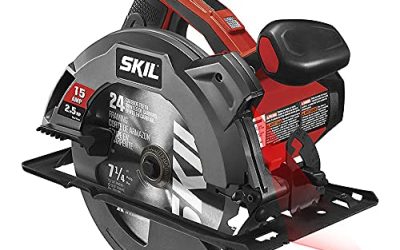
A decent step ladder that reaches the roof comfortably without standing on the top step is safer than improvising with a chair. A socket and wrench set makes tightening carriage bolts and frame hardware quicker than the small spanner tucked into many kits. If you are modifying a wooden design, a circular saw or miter saw and a good measuring tape are standard equipment.
Finishing tools matter too. A brush or sprayer, sandpaper and a quality exterior stain or paint will extend the life of a wooden gazebo. Apply finish to every cut end and hidden surface before assembly, when you can still reach them, rather than only the faces that will be visible afterward.
Comparison Table
| Type | Typical frame | Roof | Best for | Main drawback |
|---|---|---|---|---|
| Traditional wooden | Cedar, treated pine or similar | Shingles, shakes or metal | Permanent garden feature, custom finish | Needs sealing and periodic upkeep |
| Hardtop | Steel or aluminum | Metal or panel | Rain and snow protection | Heavy; needs solid anchoring |
| Soft-top | Steel or aluminum | Fabric canopy | Quick shade, renters, seasonal use | Canopy wears; must be managed in storms |
Treat the table as a starting point. Exact performance varies by product, so read the current specifications and instructions for any model you are considering.
Safety Notes
- Wind. Do not leave a lightweight gazebo unanchored, and do not stay under any gazebo during a storm. Remove fabric canopies in high wind forecasts if the manufacturer advises it.
- Snow load. Clear heavy snow from roofs promptly and from a safe position. Many soft-top frames are not designed for winter loads.
- Ladders and overhead work. Use a stable ladder on firm, level ground, keep three points of contact and ask someone to hold the base when lifting roof sections.
- Heavy parts. Roof panels and beams are awkward and heavier than they look. Plan for two or more people, wear gloves and keep feet clear.
- Cutting and sanding. Wear eye and hearing protection, and a dust mask when cutting or sanding treated lumber. Do not burn offcuts of treated wood.
- Fire. Keep open flames, grills and fire pits well away from fabric canopies and wooden roofs, and follow the clearance guidance for each appliance. Do not hang heaters or string lights in ways the manufacturer does not allow.
- Electrical. If you add outlets or lighting, use outdoor-rated equipment and have the work done to local code, ideally by a licensed electrician.
- Permits. Some areas require permits or setbacks for permanent outdoor structures, especially those with roofs, footings or electrical work. Check with your local building office and, if relevant, your homeowners association.
Buyer Checklist
- Measured the footprint on site and left space for furniture and walkways.
- Confirmed the base: level slab, deck framing, footings or ground anchors.
- Compared frame materials and finishes for your climate.
- Checked whether the roof is rated for rain, snow or only shade, and read the manufacturer’s weather guidance.
- Verified the listed dimensions, including overall height and clear height under the beams.
- Confirmed what is included: hardware, anchors, curtains, netting, canopy and instructions.
- Looked for replacement canopy and parts availability.
- Checked local rules, permits, setbacks and homeowners association requirements.
- Planned assembly help, tools and a clear weekend.
- Read the return and damage policy before the pallet arrives.
Mistakes to Avoid
- Buying on looks alone. A beautiful photo says nothing about frame thickness, roof rating or fastener quality. Read the details.
- Skipping the base. Putting a structure directly on uneven lawn leads to racked frames, doors that will not close and stress on every joint.
- Under-anchoring. Most storm damage stories start with a gazebo that was never fixed down. Anchor it even if it feels heavy.
- Ignoring the roof. Choosing a fabric top for a snowy area or a shaded-only roof for a rainy patio is a recipe for disappointment.
- Forgetting finish. Leaving wood bare and hoping for the best shortens its life. Seal ends, cuts and bottoms before assembly.
- Over-tightening early. Leave bolts slightly loose until the frame is square and level, then tighten in sequence.
- Working alone. Roof sections and beams are unsafe to lift single-handed. Recruit help.
- Neglecting rules. Building without checking permits or setbacks can mean costly changes later.
- Placing it under trees. Falling limbs, sap and leaf litter add risk and cleaning work.
- Discarding the instructions. Keep the manual and hardware list. You will need them for maintenance and any warranty claim.
Frequently Asked Questions
What is the best material for a gazebo?
It depends on your priorities. Wood offers the classic look and easy customization, aluminum resists rust and is lighter to handle, and steel is strong when its coating is intact. Choose based on climate, upkeep tolerance and whether the gazebo will be permanent.
Do I need a permit to build a gazebo?
Sometimes. Requirements vary by location and often depend on size, whether the structure has a roof and footings, and whether electrical work is involved. Contact your local building office and any homeowners association before you start.
Can I put a gazebo on grass?
You can, but a firm, level base is better. If you use grass, anchor the frame using the supplied or recommended stakes and consider extra weights. Expect more settling and moisture around the legs over time.
How do I anchor a gazebo to concrete or a deck?
Use anchors suited to the surface and the frame, following the manufacturer’s instructions. On a deck, fix to the structural framing rather than just the boards. If you are unsure of the load capacity of your deck, ask a qualified professional.
Are soft-top gazebos safe in wind and snow?
Many are designed for fair weather and need the canopy removed in high wind or heavy snow. Read the manufacturer’s weather guidance and never shelter under any gazebo during a storm.
How long does a wooden gazebo last?
Lifespan varies widely with species, treatment, finish, drainage and climate. A well-built, well-sealed structure that is kept dry at the base and re-finished regularly will last far longer than one left untreated.
Can I add curtains, screens or lights?
Often yes, but check that the frame is designed to carry the extra weight and that any accessories are rated for outdoor use. Keep electrical items and open flames away from fabric and follow all instructions.
How hard is it to assemble a gazebo myself?
Soft-top models can go up in an afternoon with two people. Wooden or hardtop kits are bigger projects that take a weekend or more, and are easier with a helper, the right tools and a level base prepared in advance.
Bottom Line
Pick the gazebo that fits your weather, your base and your appetite for maintenance. Wood rewards builders who enjoy finishing and upkeep, hardtops reward anyone who wants low-fuss rain cover, and soft-tops reward flexibility. Whatever you choose, prepare a level base, anchor it properly, check local rules and verify the current specifications and instructions before you order.
If you are gearing up for the build itself, start with a dependable tool belt and a good pair of safety glasses, then lay out your parts before you pick up the first bolt.
Disclosure: As an Amazon Associate, we earn from qualifying purchases. Links marked as sponsored may earn us a commission at no extra cost to you.
Related guides
More from Amazon
Programs that pair well with the guide above. Offers and eligibility are set by Amazon and may change.
A free business account with business pricing and bulk-buying tools for work, shop or home office.
Create a business accountFree shipping on eligible items, Prime Video and more. Eligible new members can start with a free trial.
Start a Prime free trialAudiobooks and podcasts to listen to on the go. Eligible new members can start with a free trial.
Try Audible freeAd-free music streaming. Eligible new subscribers can start with a free trial.
Try Music Unlimited freeAs an Amazon Associate we earn from qualifying purchases.