What's inside
- Contents
- What Hens Actually Want From a Nest
- Materials Compared: Wood, Plastic and Metal
- Layouts: Rows, Corner Units, External and Rollaway
- Sizing by Breed and Flock
- Placement and Mounting Inside the Coop
- Build It or Buy It
- Bedding, Cleaning and Upkeep
- Comparison Table
- Buyer Checklist
- Mistakes to Avoid
- Safety and Flock Health
- Frequently Asked Questions
- Bottom Line
As an Amazon Associate I earn from qualifying purchases. This post may contain affiliate links at no extra cost to you.
The short answer: the best chicken nesting boxes are the ones your hens will actually use, that stay dry and easy to clean, and that fit the coop you already have. For most backyard flocks that means a sturdy, sealed-seam wooden or plastic row mounted off the floor, with a lip to hold bedding in, a sloped or protected top so nobody roosts on it, and a darker, quieter position than the roosting area. Buy ready-made boxes if you want speed. Build your own if you own a saw and a drill and enjoy matching the design to your hens. Either way, the layout matters more than the label.
This guide does not rank products or promise results. It explains materials, layouts, sizing logic, placement, cleaning and the mistakes that lead hens to lay on the floor instead. Use it to narrow your options, then check current listings and manufacturer instructions against your own coop and flock.
Contents
- Contents
- What Hens Actually Want From a Nest
- Materials Compared: Wood, Plastic and Metal
- Layouts: Rows, Corner Units, External and Rollaway
- Sizing by Breed and Flock
- Placement and Mounting Inside the Coop
- Build It or Buy It
- Bedding, Cleaning and Upkeep
- Comparison Table
- Buyer Checklist
- Mistakes to Avoid
- Safety and Flock Health
- Frequently Asked Questions
- Bottom Line
Our Top Picks
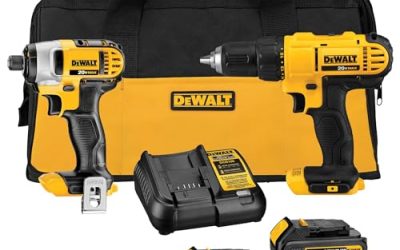
 DEWALT 20V MAX Cordless Drill and Impact DriverOne Size15.06 x 6.4 x 9.88 inches3.6 PoundsCheck on Amazon

Contents
- What hens actually want from a nest
- Materials compared: wood, plastic and metal
- Layouts: rows, corner units, external and rollaway
- Sizing by breed and flock
- Placement and mounting inside the coop
- Build it or buy it
- Bedding, cleaning and upkeep
- Comparison table
- Buyer checklist
- Mistakes to avoid
- Safety and flock health
- Frequently asked questions
- Bottom line
What Hens Actually Want From a Nest
A nesting box is simply a small, sheltered spot where a hen feels safe enough to lay. Hens tend to look for somewhere enclosed, dim, quiet and a little hidden. If a box offers those things, she will often accept it quickly. If it feels exposed, drafty, damp or cramped, she may pick a corner of the run, a gap under a shrub, or the coop floor instead. Floor eggs are the most common sign that the boxes are not meeting her expectations.
That gives you a simple way to judge any design. Ask whether it is enclosed enough to feel private, whether it keeps bedding from spilling out, whether it drains or dries rather than holding moisture, and whether you can reach in and clean it without wrestling with fasteners. Features such as slanted roofs, curtains, or external lids are all just tools for meeting those basics.
Materials Compared: Wood, Plastic and Metal
Wood
Wood is the traditional choice, and it is the material this site naturally favors because you can cut, finish and repair it yourself. It feels warm, it is forgiving to modify, and a well-built wooden box can look right in almost any coop. The downsides are moisture and mites. Untreated or poorly sealed wood absorbs droppings and damp, and the seams can harbor pests. Look for tight joints, smooth interior surfaces and a finish that is suitable for animal housing. Check what any paint or sealant says about safe use around livestock before you apply it, and allow it to fully cure and air out before birds go near it.
Plastic
Plastic boxes are light, smooth and quick to wipe down, which is why many keepers like them for hygiene. They do not rot, and the seamless interiors give pests fewer places to hide. On the other hand, plastic can feel flimsy, may crack in cold weather or after years of sun, and some designs are open enough that hens feel exposed. A plastic row that sits loose on a shelf can also shift when a heavy hen hops in. Choose models that bolt or screw down and that have deep enough sides to hold bedding.
Metal
Galvanized or coated metal boxes are durable and easy to disinfect, and they are hard for pests to chew. They can, however, be cold in winter, noisy when hens move around, and uncomfortable unless you pad them thickly. Edges need to be rolled or finished so they cannot cut a hen or your hand. Metal tends to suit large, long-term setups better than a small starter coop.
Layouts: Rows, Corner Units, External and Rollaway
Row units place several compartments side by side, usually on a stand or hung on a wall. They are the most common layout because they use space efficiently and are easy to understand. Look for dividers that are tall enough to give each hen some privacy.
Stacked units save floor space, but a top tier can become a roosting perch, and hens often crowd into whichever box is highest or most private. If you stack, keep the bottom boxes comfortably inviting and consider a sloped roof so nothing roosts on top.
External boxes attach to the outside of the coop wall with a hinged lid, so you collect eggs without stepping inside. They are convenient for daily checking, but you must make sure the lid seals against rain and that the box is protected from predators reaching in through gaps.
Rollaway designs have a slightly sloped floor so each egg rolls into a separate collection tray, away from the hen. That can keep eggs cleaner and reduce egg-eating habits, though the slope and the mechanism must be designed carefully so hens still find the box comfortable. Follow the maker’s instructions closely if you choose one.
Corner or hanging boxes suit small coops. They can be handy when floor space is tight, but check that they are stable and that a hen can step in and out without clambering awkwardly.
Sizing by Breed and Flock
Exact dimensions differ by breed, and published guidance varies, so it is better to size from your own birds than to copy a single number from the internet. Larger, heavier breeds need roomier boxes so a hen can turn around and settle without her tail or wings catching on the walls. Smaller breeds, including bantams, usually feel more secure in a snugger space and may avoid a very large cavity.
A practical approach is to watch your hens. Notice how big they are when they crouch, whether they can turn around in the space, and whether two hens try to squeeze into one box. If you can, test a cardboard box of roughly the dimensions you plan to use and see how they react before committing to materials.
For the number of boxes, many keepers provide a few shared spaces rather than one per bird, because hens often queue for a favorite. Recommendations differ, so check current poultry-keeping guidance for your region and breed, and add a spare if you have a mixed flock or notice quarrels. A spare box is cheap insurance against floor laying.
Placement and Mounting Inside the Coop
Position matters as much as design. Place boxes lower than the roosting bars, because hens like to sleep at the highest point and will otherwise perch on or in the nest and soil it. Keep them away from the brightest windows and out of drafts, in the quieter side of the coop where hens will not be disturbed by traffic.
Mount the unit so it cannot tip or swing. If it hangs on a wall, fasten to framing rather than thin sheeting. If it stands on legs, make sure the floor is level and that the legs cannot sink or wobble. A shallow ledge or landing perch in front helps hens step in and out and keeps them from scrambling over the lip.
Leave room beneath for airflow and so you can inspect and clean. A box pushed tight against the floor in a damp corner invites moisture, and hidden gaps give mites and rodents places to nest.
Build It or Buy It
If you enjoy workshop projects, a nesting box is a friendly build. The basic parts are a base, sides, dividers, a back, a roof or cover, and a front lip. Simple butt joints with exterior-suitable screws work for most keepers, and sanding all interior surfaces smooth helps hens and cleaning alike. Choose fasteners that will not rust quickly, and ensure no screw tip or splinter sticks into the nesting area.
Building lets you scale the box to your breed, fit an awkward corner and add features such as a hinged roof or removable divider. Good tools help here, so a cordless drill and driver and a decent set of sanding blocks will make the work more pleasant and the finish safer for birds.
Buying makes sense if you have little time, no workshop, or want a proven row you can mount in an afternoon. Look through current listings for wooden nesting box rows and plastic nesting boxes, then compare their dimensions, ventilation, lid design and mounting options with your coop. Always read the description and instructions for current specifications rather than assuming a listing fits.
Bedding, Cleaning and Upkeep
Bedding gives hens something to scratch into, cushions eggs and absorbs mess. Pine shavings, straw and similar dry materials are commonly used, but check that whatever you choose is dry, dust-controlled and suitable for poultry. Avoid anything damp or moldy. A shallow, even layer that is topped up as needed generally works better than a deep heap.
Clean on a routine that matches your flock. Remove soiled material, scrape off droppings, and let the box dry fully before refilling. If you choose wood, inspect for cracks where moisture and mites might settle. For plastic and metal, a thorough scrub and rinse followed by complete drying does most of the work. Always follow the guidance on any cleaning product’s label and keep chemicals away from the birds until surfaces are dry and aired.
Collect eggs daily where possible. Frequent collection reduces breakage, keeps eggs cleaner and discourages hens from lingering to eat or scratch at them. A wire or wooden egg basket keeps the routine tidy.
Comparison Table
| Type | Strengths | Trade-offs | Best for |
|---|---|---|---|
| Wooden row | Warm, repairable, easy to customize | Needs sealing, can hold moisture and mites | Keepers who like to build or maintain |
| Plastic row | Light, smooth, simple to wipe clean | Can feel flimsy, may crack with age | Hygiene-minded, low-effort setups |
| Metal row | Durable, easy to disinfect | Cold and noisy, needs padding and finished edges | Larger or long-term coops |
| External access box | Collect without entering the coop | Lid must seal against rain and predators | Daily collection convenience |
| Rollaway design | Keeps eggs separate and clean | More complex, needs careful setup | Keepers bothered by egg eating |
| Corner or hanging box | Saves floor space | Stability and entry can be awkward | Small coops |
Buyer Checklist
Before ordering or cutting wood, run through the points below and check the current listing or plans for each one.
- Does the box fit the space, including the ledge, door swing and clearance beneath?
- Is the interior large enough for your breed to turn and settle, without being a cavern for small birds?
- Are the seams tight and the surfaces smooth, with no sharp edges, splinters or protruding fasteners?
- Does the front lip hold bedding in while still letting hens step in easily?
- Is the top sloped or covered so it cannot become a roost?
- Can you reach in and clean every corner, or remove parts for scrubbing?
- Will it mount securely to framing or sit level on stable legs?
- Is there ventilation without a direct draft across the nesting hen?
- Are finishes and materials described as suitable for animal housing?
- Have you read the instructions and confirmed current specifications?
Mistakes to Avoid
The first mistake is mounting the boxes higher than the roosts. Hens that sleep in the nest foul it quickly, and eggs end up dirty. Keep boxes lower and make the roosts the most attractive high spot.
The second is placing them in a bright, busy part of the coop. A nest that feels exposed gets ignored, and you will find eggs in odd places. Move them to the shaded side or add a curtain of safe, secure material.
A third error is going too big or too small. An oversize compartment invites several hens to cram in together, which can lead to broken eggs and squabbles, while a cramped one makes laying uncomfortable. Size to your birds and observe.
Another is neglecting moisture. Wooden boxes next to a damp wall or under a leaking roof deteriorate fast. Fix the leak, add airflow and keep bedding dry.
People also skip a dummy egg or a trial period. Introducing new boxes can take time, so give hens a few days to explore, and consider placing something egg-like in the nest to show them where laying is welcome. Do not rearrange everything at once, because change alone can disrupt laying for a while.
Safety and Flock Health
Start with the workshop. Wear eye protection when cutting and drilling, use hearing protection with loud tools, and wear a dust mask when sanding or sawing wood. Clamp your workpiece, keep fingers away from blades and bits, and follow each tool’s manual.
For the coop, make sure there are no sharp edges, exposed screw points or gaps where a leg or wing could be trapped. Use finishes labeled suitable for animal housing, let them cure fully, and ventilate well before birds return. Avoid treated lumber unless the product information clearly states it is appropriate for this use, and check current guidance when in doubt.
Wash your hands after handling eggs, bedding or the birds, and keep children’s contact supervised, because poultry can carry germs that spread to people. Predator protection matters too: external boxes and access doors need secure latches, and gaps should be covered with sturdy mesh or trim. If you notice sick birds, unusual egg problems or persistent mites, contact a poultry-experienced veterinarian or your local agricultural extension service for advice rather than guessing.
Frequently Asked Questions
How many nesting boxes do I need?
Hens usually share, so you do not need one for each bird. Recommendations vary, so check current poultry guidance for your breed and region, and add a spare if you see queues or floor laying.
How high should nesting boxes be?
Lower than the roosting bars, so hens choose the roosts for sleeping. Keep them low enough that hens can step in comfortably, with a landing ledge if helpful.
Why are my hens laying on the floor?
Common reasons include boxes that feel exposed, bright or drafty, boxes that are dirty or damp, new hens that have not found them, or a layout that is awkward to enter. Adjust one thing at a time and watch what changes.
Are wooden nesting boxes better than plastic?
Neither wins every time. Wood is easy to customize and repair, while plastic is quick to clean. Your priorities, budget and maintenance habits decide it.
Should I use dummy eggs?
Many keepers place a fake egg or similar object to signal that the box is a good laying spot. It is optional, and it works best alongside a quiet, comfortable position.
What bedding is best?
Dry, clean, low-dust materials commonly used for poultry are the usual choice. Whatever you choose, keep it dry, refresh it regularly and avoid anything moldy.
How often should I clean the boxes?
Remove soiled bedding as needed and do a fuller clean on a routine that suits your flock size and weather. Let everything dry before refilling.
Can I build a nesting box with basic tools?
Yes. A simple row needs only straight cuts, screws and sanding. Read your plans carefully, wear safety gear and finish with materials suitable for animal housing.
Bottom Line
Pick the nest that suits your hens first and your taste second: private, dry, stable, easy to clean and mounted below the roosts. Choose wood if you like building, plastic if you prize quick cleaning, and metal if you need rugged durability. Compare current listings and instructions against your coop before you commit.
Disclosure: As an Amazon Associate, we earn from qualifying purchases. Links marked as sponsored may earn us a commission at no extra cost to you.
Related guides
More from Amazon
Programs that pair well with the guide above. Offers and eligibility are set by Amazon and may change.
A free business account with business pricing and bulk-buying tools for work, shop or home office.
Create a business accountFree shipping on eligible items, Prime Video and more. Eligible new members can start with a free trial.
Start a Prime free trialAudiobooks and podcasts to listen to on the go. Eligible new members can start with a free trial.
Try Audible freeAd-free music streaming. Eligible new subscribers can start with a free trial.
Try Music Unlimited freeAs an Amazon Associate we earn from qualifying purchases.